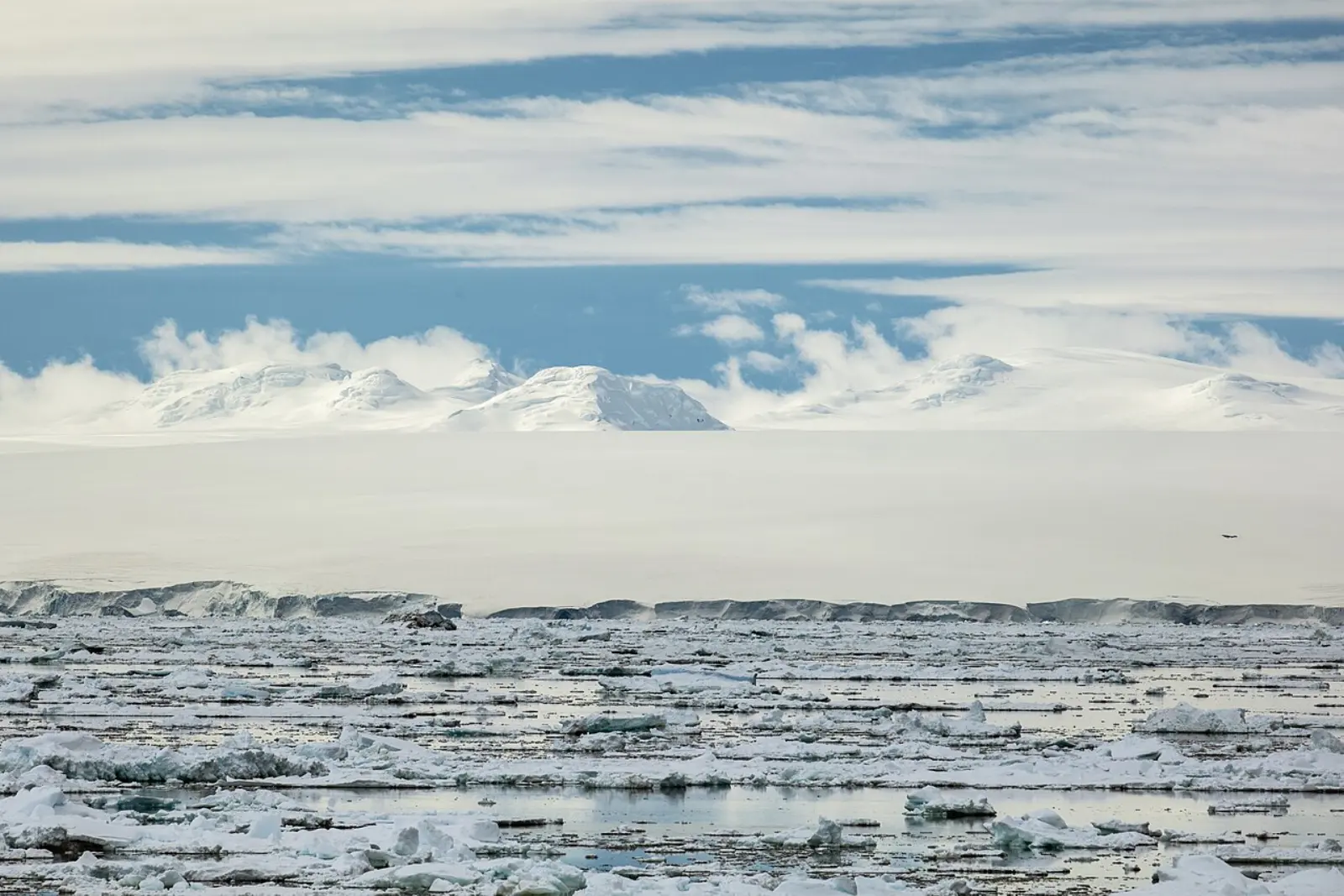
The short answer: Antarctica is colder than the Arctic
Antarctica is colder than the Arctic. The underlying reason is that Antarctica is a continent, while the Arctic is an ocean. KISTI Science Scent gives average temperatures for both poles in its article "Why Is Antarctica Colder Than the Arctic?" The Arctic region averages about −35 to −40°C, while the Antarctic region averages as much as −55°C. NSIDC's explainer page "Arctic Weather and Climate" also describes the Arctic as an ocean mostly surrounded by land.
How Science Scent and NSIDC describe the geography: Antarctica is a continent, the Arctic is an ocean
Science Scent sums up the difference between the two poles this way: "Antarctica is a continent and the Arctic is an ocean. Antarctica and the Arctic therefore show two distinct and unique environments on Earth." In this passage, the article sets the two poles side by side.
Science Scent also describes the scale of Antarctica. The continent covers about 14.4 million km². That makes it the fifth-largest continent, after Asia, Africa, North America and South America. It also stands higher above sea level than any other continent.
NSIDC defines the Arctic differently. The boundary most often used is the Arctic Circle, an imaginary line circling the Earth at about 66° 33' N. NSIDC describes the region north of this line as an ocean mostly surrounded by land. Read together, the two sources show that the single word "polar" covers two different things: land and sea. That distinction can be seen as a starting point for understanding the differences in temperature and ice that follow.
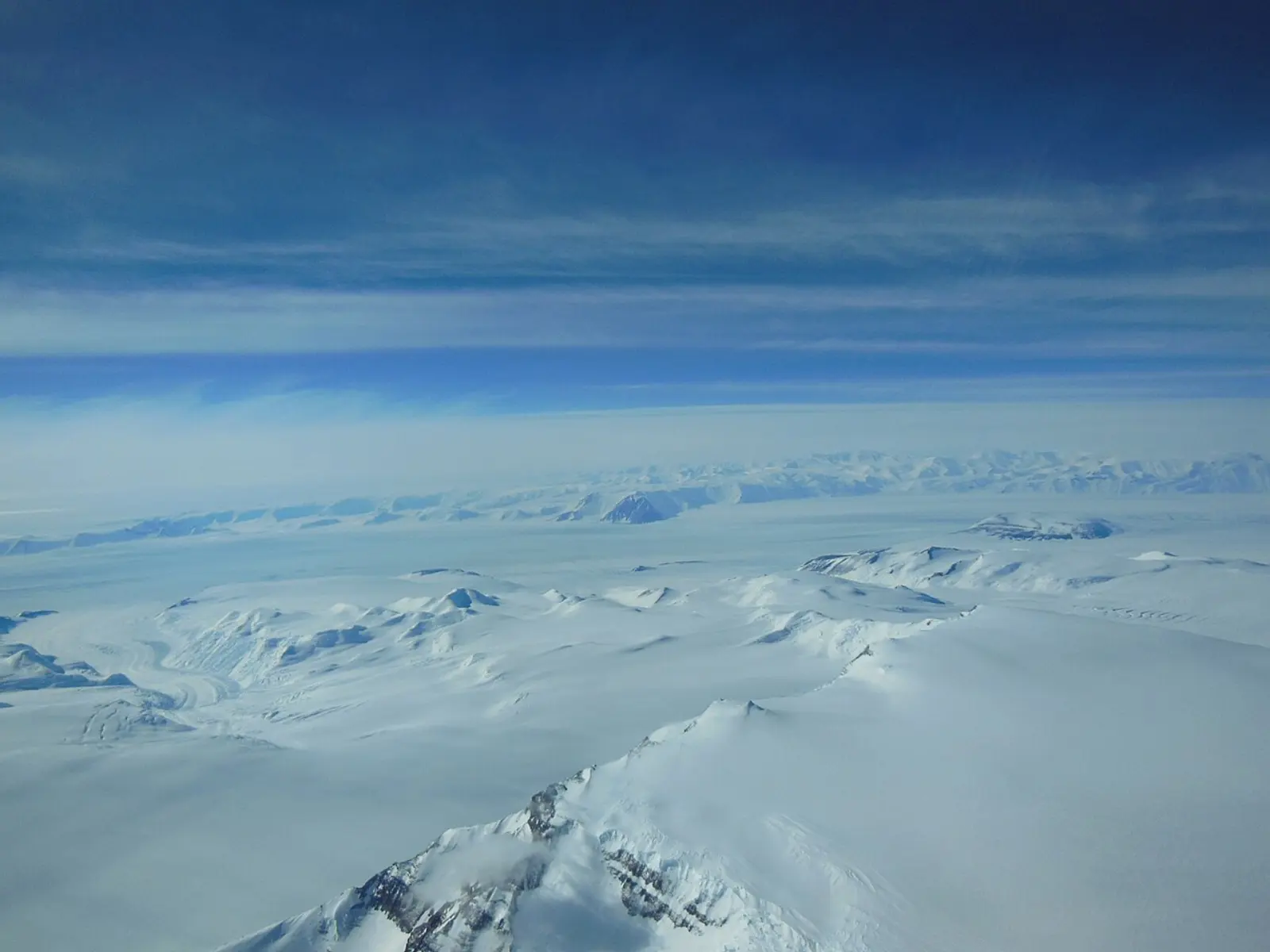
−55°C versus −35 to −40°C: the figures from Science Scent and NSIDC
The average temperatures above come from Science Scent, which also explains the gap. The Arctic is warmer than Antarctica because it is an ocean, not a continent. The article gives ice and sea separate roles. The ice covering Antarctica reflects sunlight, while the Arctic Ocean absorbs and stores heat.
NSIDC shows that temperatures vary widely within the Arctic itself. In parts of Siberia, the average January temperature falls below −40°C. Summers along the Arctic coast, by contrast, tend to be cool and cloudy, averaging around 10°C.
These figures show that a single "Arctic average" cannot capture every region and season. So when comparing the two poles, it is arguably more accurate to note which region and which season each figure describes.
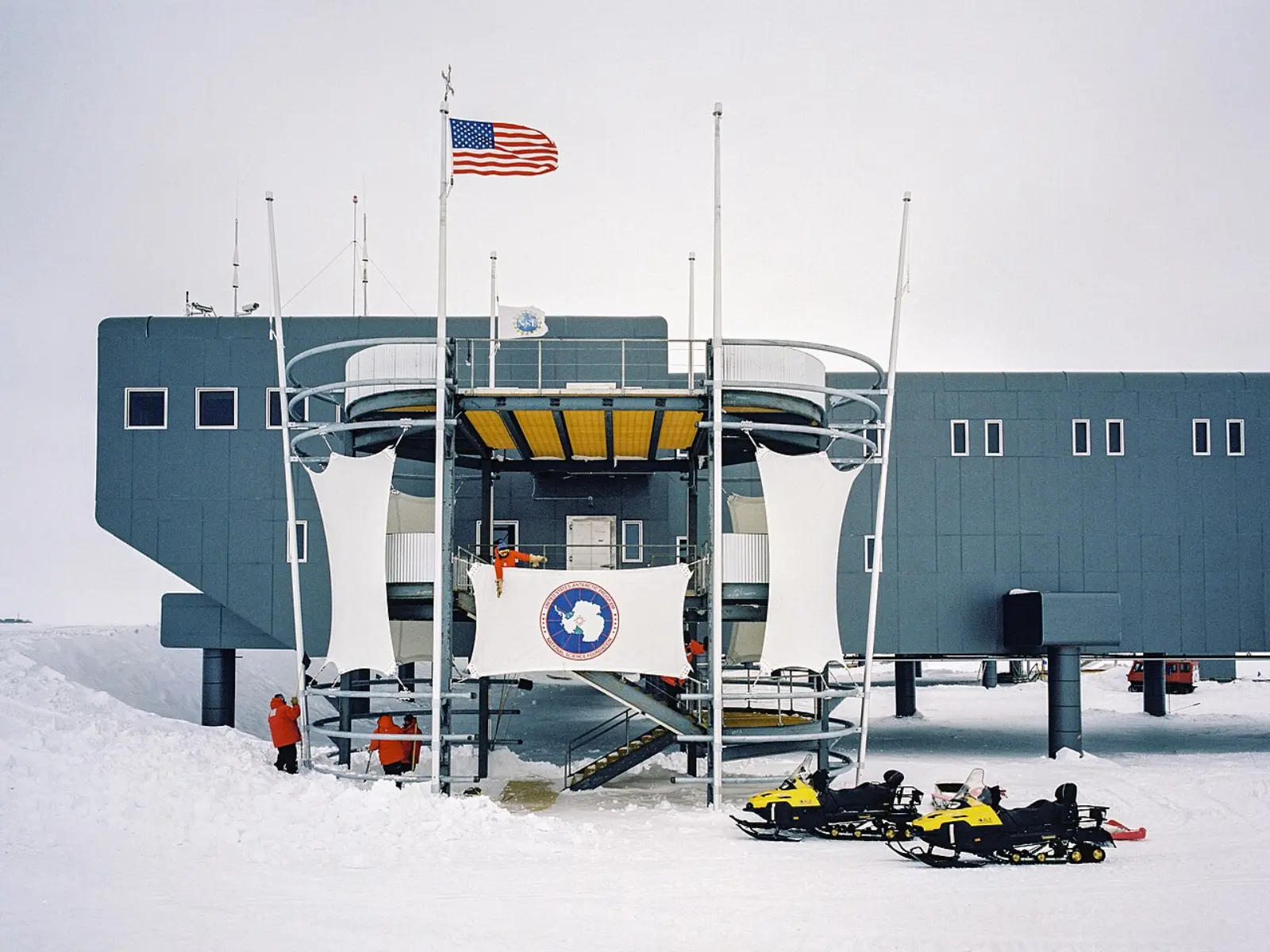
Ice 2,160m thick versus 10m: Antarctica's ice sheet and Arctic sea ice
According to Science Scent, ice covers about 98% of Antarctica to an average depth of 2,160m. The article calls it "a huge ice field." Arctic ice, Science Scent says, is different. It is not built up from snow but is sea ice (海氷), formed when seawater freezes. For that reason, the article notes, Arctic ice is usually no more than 10 meters thick.
NSIDC explains that sea ice changes with the seasons. The ice on the surface of the Arctic Ocean grows through autumn and winter. It then melts through spring and summer.
Compared point by point, the two poles look like this. Geographically, Antarctica is a continent, while the Arctic is an ocean surrounded by land. Antarctica has an ice sheet covering a continent; the Arctic has sea ice formed from frozen seawater. Antarctic ice averages 2,160m thick, while Arctic ice is usually no more than 10m thick. In short, the ice at the two poles cannot simply be lumped together as "polar ice."
Arctic sunlight and the Earth's refrigerator: what NSIDC says
According to NSIDC, the sun rises once and sets once a year at the North Pole. The result is six months of continuous daylight followed by six months of continuous night. North of the Arctic Circle, little or no solar energy arrives in winter. That is why the region is dark and cold.
NSIDC notes that the Arctic and Antarctica are sometimes called, together, the Earth's refrigerator. The two poles help cool the planet. They also shape the jet stream and so influence weather patterns.
The earlier sections asked which pole is colder. This one shows that, different as they are, both poles are linked to the climate of the whole planet. The contrast between Antarctica and the Arctic can be seen not just as a matter of two regions but also as a clue to how the Earth's climate works.
| Region | Temperature | Measure | Source |
|---|---|---|---|
| Antarctic region | −55°C | Average temperature | KISTI Science Scent |
| Arctic region | About −35 to −40°C | Average temperature | KISTI Science Scent |
| Parts of Siberia | Below −40°C | Average January temperature | NSIDC |
| Arctic coastal areas | Around 10°C | Average summer temperature | NSIDC |
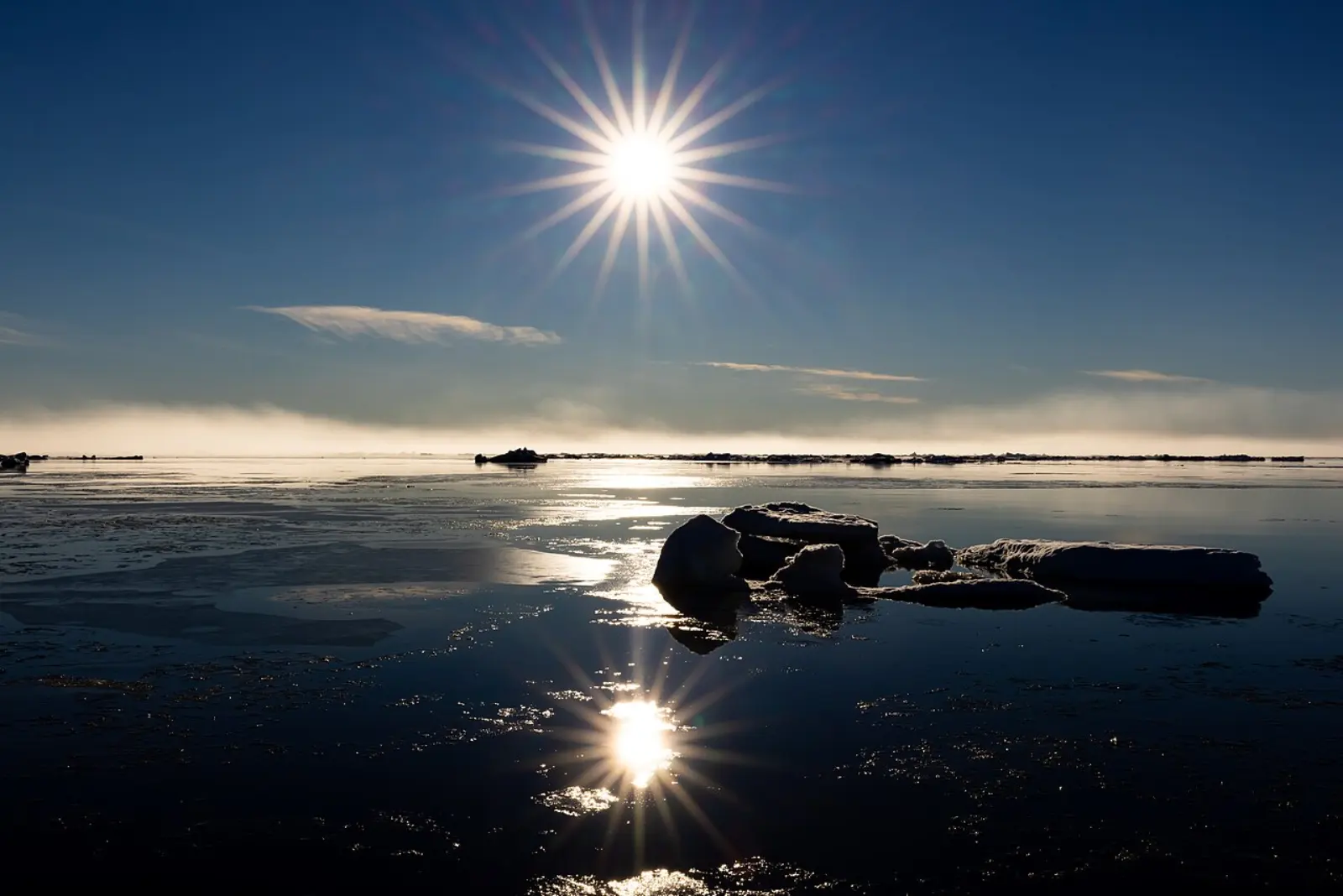
Summary
Every fact in this article comes back to one question: land or sea? That distinction explains the average temperatures, the thickness of the ice and the way the ice forms. Keep in mind, though, that Science Scent's averages reduce vast regions to a single number. NSIDC's January figure for Siberia and its summer figure for the Arctic coast show the range hidden inside that number.
You can read the original sources yourself. On the KISTI Science Scent website, look for "Why Is Antarctica Colder Than the Arctic?" (남극은 왜 북극보다 추울까). On the NSIDC website, see the "Arctic Weather and Climate" page. The Science Scent article goes on to discuss Antarctica's native penguins and the question of polar bears. On the NSIDC page, read the seasonal temperatures alongside the sea ice explanation. Doing so makes the differences between the two sources clearer.