
* AI-reconstructed illustration · Not an actual on-site photograph
💡 Key Takeaways:
* Medical Bankruptcy Reality: 62% to 66.5% of all personal bankruptcies in the United States stem from medical debt—over 75% of those who filed had private insurance at the time.
* Core Insurance Flow: Premium (monthly fee) ➡️ Deductible (100% out-of-pocket phase) ➡️ Coinsurance (cost-sharing ratio) ➡️ Out-of-Pocket Max (100% covered after cap).
* Provider Selection: Reserve Emergency Rooms (ER) strictly for life-threatening conditions; visit Urgent Care for acute, non-emergency ailments to save thousands of dollars.
* Negotiation Playbook: Since roughly 80% of hospital bills contain billing errors, always demand a CPT-coded Itemized Bill, request IRS 501(r) Financial Assistance, and leverage prompt-pay cash discounts.
The warnings about US healthcare—where a single ambulance ride or emergency room visit can cost thousands of dollars—are sobering realities. Despite boasting world-class biomedical research and cutting-edge medical technology, the American healthcare landscape presents a formidable financial labyrinth for residents, expatriates, international students, and travelers alike.
1. 🔍 The Brutal Numbers Behind US Medical Debt
Healthcare expenditure in the US accounts for approximately 18% of GDP, far surpassing any other OECD nation. Yet beneath this staggering figure lies systemic vulnerability:
- Leading Cause of Bankruptcy: Over 62% of all personal bankruptcies in the United States are tied to unmanageable medical bills. High deductibles and out-of-network surprise bills frequently devastate middle-class families.
- Dental Crisis: Nearly 100 million Americans lack dental coverage. Severe dental infections left untreated due to high costs have historically led to life-threatening complications and systemic crises.
- Health Disparity: With an uninsured rate between 10% and 15%, average life expectancy in the US ranks 42nd globally, trailing major industrialized peers.
2. 💡 Why Is US Healthcare So Expensive? (PBMs & Drug Pricing)
Unlike most developed nations where centralized government authorities directly negotiate nationwide pharmaceutical prices, the US relies on fragmented private insurers. In the middle sits the Pharmacy Benefit Manager (PBM) oligopoly, which negotiates manufacturer rebates behind closed doors, creating distorted list prices and compounding retail out-of-pocket costs.
3. 📘 Decoding US Health Insurance: The 4 Critical Terms
| Term | Definition | How It Works |
|---|---|---|
| Premium | Monthly recurring fee to maintain active coverage | Averages $20,000–$27,000/year for family employer coverage |
| Deductible | The annual threshold you must pay 100% out-of-pocket before insurance kicks in | If your deductible is $3,000, you pay the first $3,000 in full |
| Co-pay | Flat fee paid per visit at the point of service | $25 for primary care, $50–$75 for specialists |
| Coinsurance | Percentage cost-sharing ratio after meeting the deductible | Typically 80% paid by insurer, 20% paid by patient |
| Out-of-Pocket Max | Legal ceiling on patient cost-sharing per policy year | Once reached, insurance covers 100% of all in-network covered care |
* AI-reconstructed illustration · Not an actual on-site photograph
4. 🏥 ER vs. Urgent Care: Making the Right Call
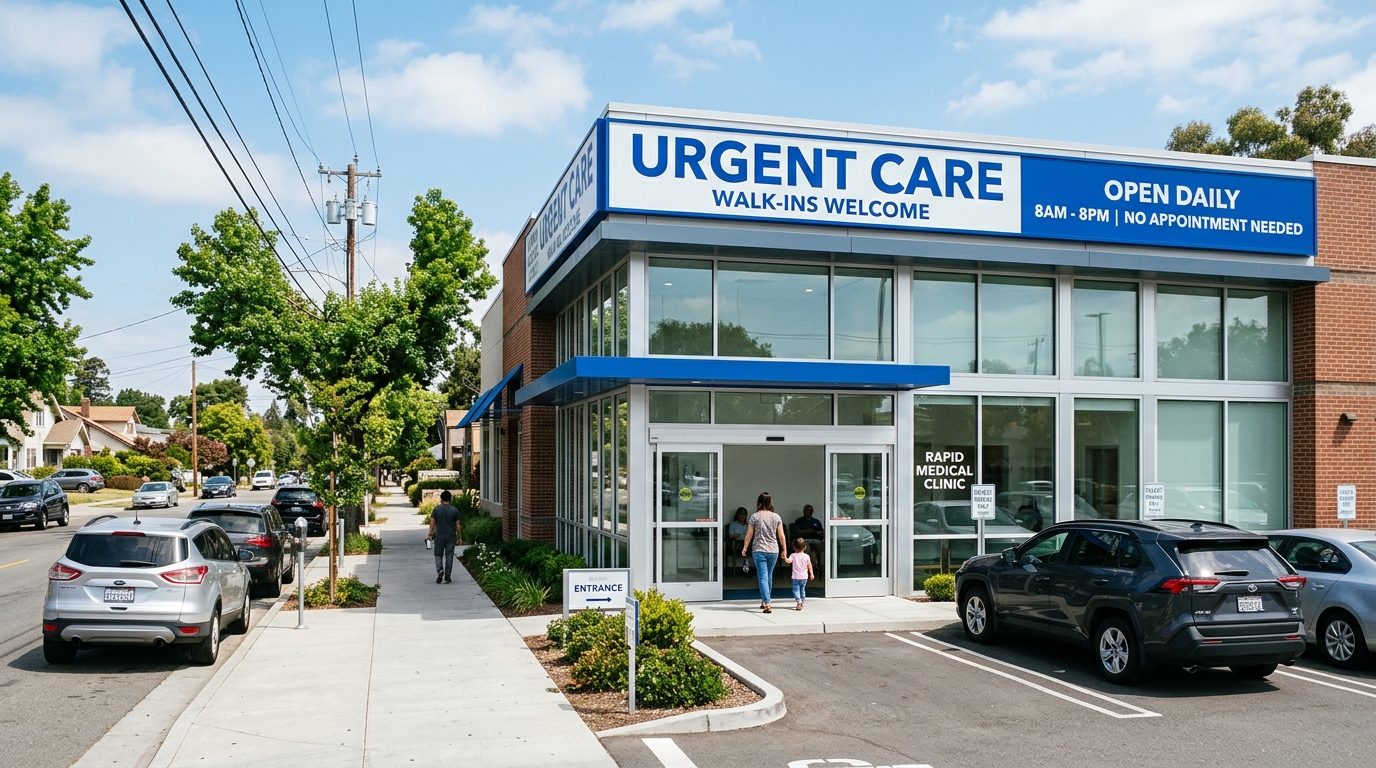
- Emergency Room (ER): Go here ONLY for life-threatening crises (severe chest pain, stroke symptoms, uncontrolled hemorrhaging, trauma). Expect base facility fees exceeding $2,000 and long triage-based wait times.
- Urgent Care: The primary destination for acute, non-life-threatening ailments (influenza, sprains, minor lacerations, moderate burns). No appointment needed, minimal wait times, and costs usually range between const posts = [00 and $250.
- Retail Clinics: Walk-in locations inside major pharmacies (CVS MinuteClinic) offering upfront, fixed pricing for minor issues and vaccinations.
- Telehealth: App-based virtual consultations ideal for standard prescription refills and general health inquiries.

* AI-reconstructed illustration · Not an actual on-site photograph
5. 🛡️ The 6-Step Playbook to Slash Medical Bills by 50%+
- Step 1 (Request an Itemized Bill): Demand a detailed invoice with standard CPT billing codes. Unbundling and phantom fees often disappear immediately upon request.
- Step 2 (Audit Coding Errors): With roughly 80% of medical bills containing inaccuracies, cross-reference CPT codes against benchmark tools like Healthcare Bluebook.
- Step 3 (Apply for IRS 501(r) Financial Assistance): Non-profit hospitals are legally required to offer charity care policies based on sliding-scale household income tiers.
- Step 4 (Negotiate a Prompt-Pay Cash Discount): Offer to settle the balance in a single lump sum today in exchange for a 20% to 50% discount.
- Step 5 (Benchmark Against Medicare Rates): Use Medicare reimbursement schedules as an objective benchmark to dispute inflated chargemaster rates.
- Step 6 (Set Up an Interest-Free Payment Plan): Establish a 12-to-24 month 0% APR installment plan to protect your credit profile.