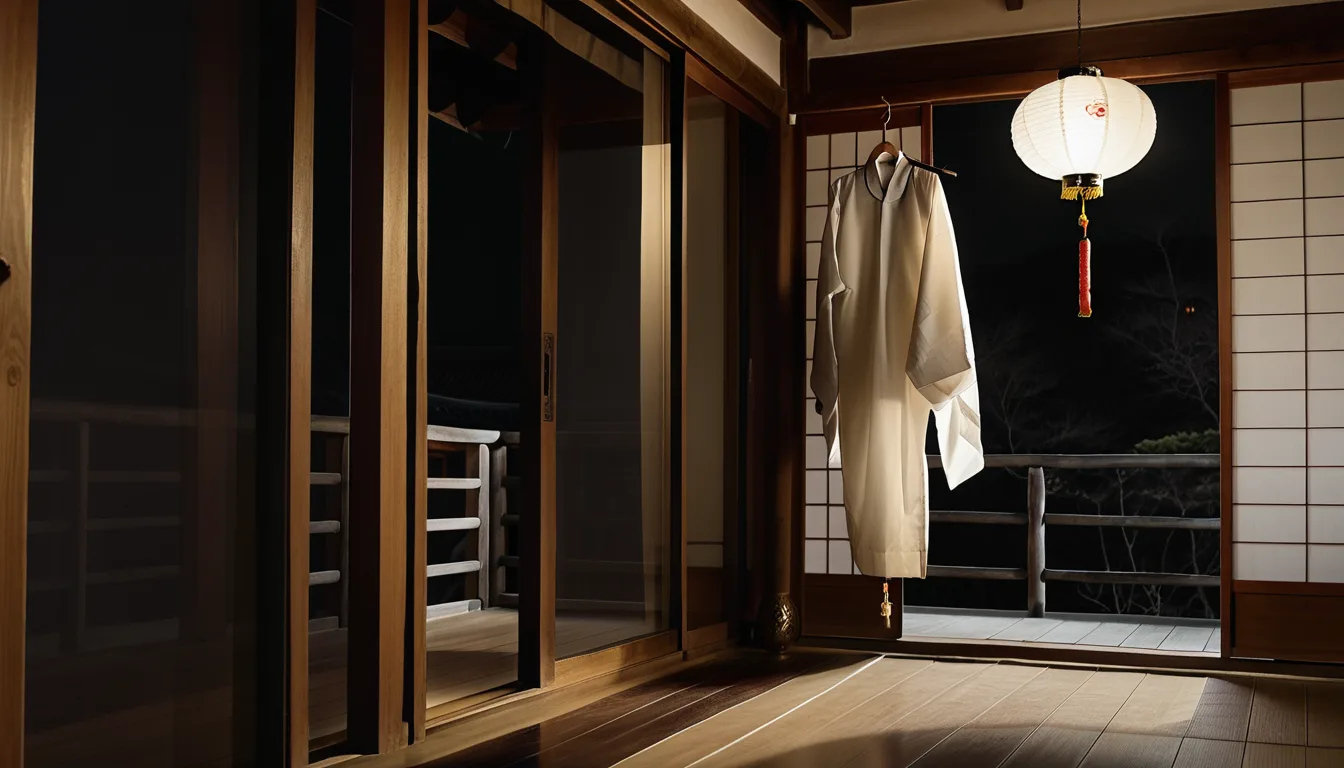
The short answer: Korean ghosts are either pantheistic spirits or souls of the dead
Korean ghosts fall into two broad groups: pantheistic spirits and saryeong, the souls of the dead. This classification comes from the "Gwisin" (ghost) entry in the Encyclopedia of Korean Culture, published by the Academy of Korean Studies, which defines the term this way: "A gwisin is a god regarded as an agent that exercises superhuman or supernatural powers." By this definition, the word arguably refers to more than just frightening ghosts.
English-language outlets explain it a little differently. Gwangju News, published by the Gwangju International Center, describes gwisin as the spirits of the dead who failed to fulfill their purpose in life. It counts exactly four types and traces belief in them to shamanism, which deals with the spirits of the natural world. The Korea Herald, meanwhile, sorts Korea's supernatural lore into three categories: myths, legends and folktales. It is worth remembering that classification schemes vary from source to source.
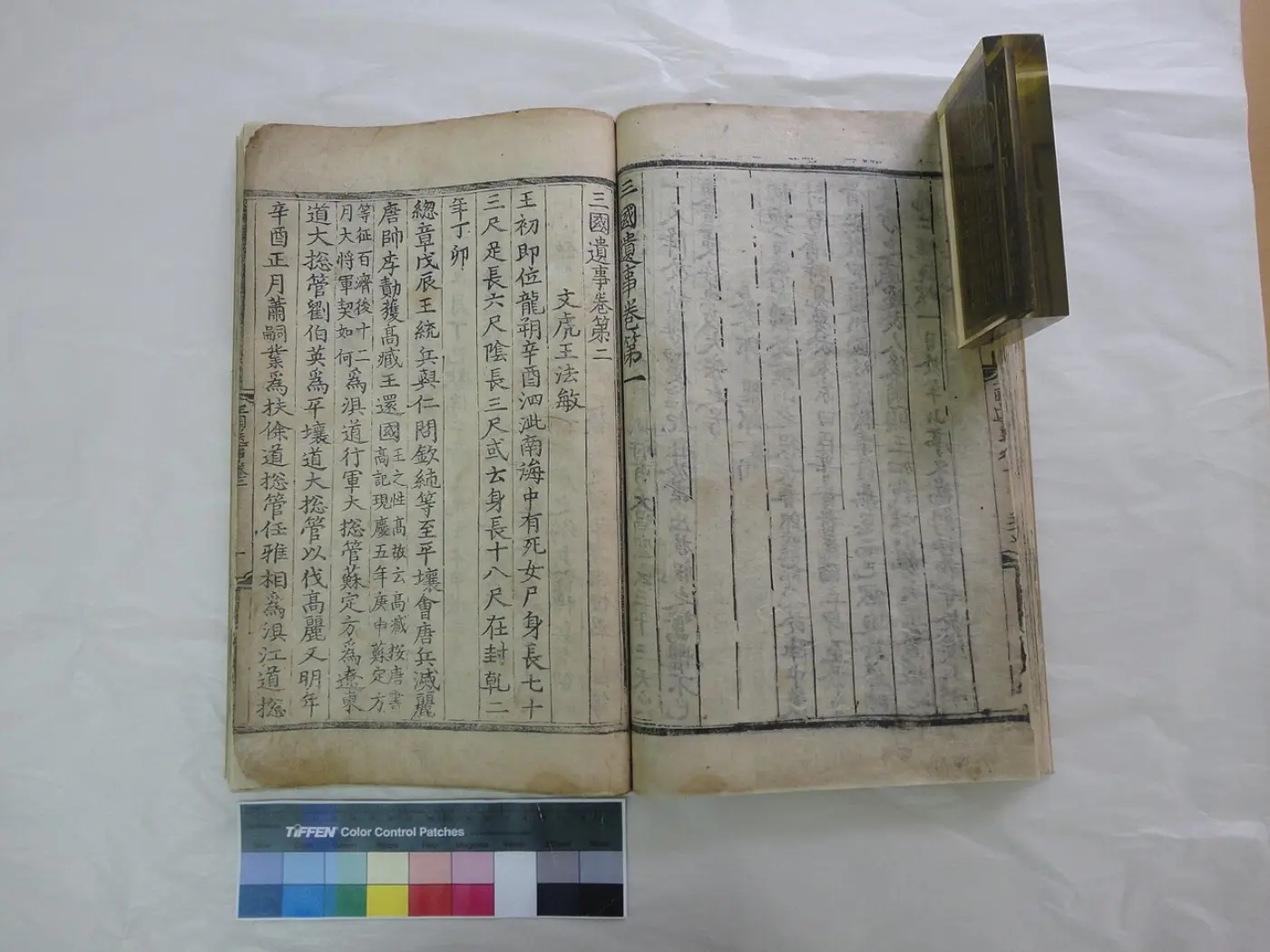
Early records: the Book of the Later Han, the Gwigyo bridge in Samguk Yusa and an 1892 album
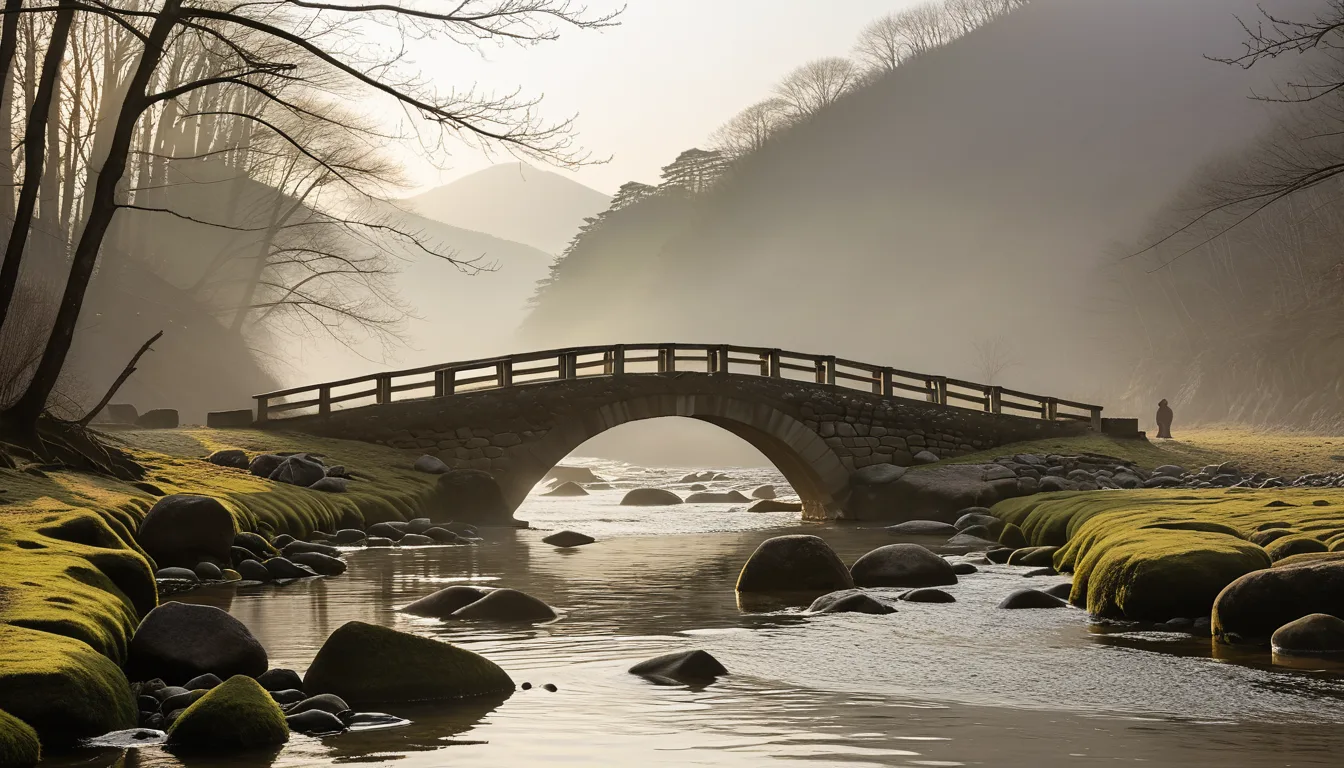
The Encyclopedia of Korean Culture cites the Goguryeo chapter of the Book of the Later Han (後漢書) as the oldest record of ghosts. The same entry recounts the story of Bihyeongnang from Samguk Yusa (Memorabilia of the Three Kingdoms), said to have taken place during the reign of King Jinji, the 25th ruler of Silla. The bridge Bihyeongnang built was called Gwigyo (鬼橋), the "ghost bridge." As the encyclopedia puts it, "This is precisely why the bridge was named Gwigyo (鬼橋)."
Dokkaebi, Korean goblins, turn up in a range of sources. According to the news agency Newsis, they have been called dotgabi, heoju, dokgakgwi, dochaebi and kkaebi daegam since the Three Kingdoms period, and were imaginary beings to whom people prayed for long life and wealth. The "duduri" mentioned in Volume 21 of the Sinjeung Dongguk Yeoji Seungnam (Revised and Augmented Survey of the Geography of Korea) is considered an early form of the dokkaebi. The painting album Chaessi Hyohaengdo (Filial Deeds of the Chae Family) includes a scene in which dokkaebi help Chae Hong-nyeom reach his father's memorial rite, which bad weather would otherwise have kept him from attending. The album was made in 1892 by Chae Hong-nyeom's grandson and great-grandson, of the Pyeonggang Chae clan.
Byeolsang and agissi: wrathful ghosts who became gods
According to Jiyeok N Munhwa, a regional culture service run by the Korea Culture Information Service Agency, Korean shamanism links abnormal deaths, such as dying too young, dying while traveling or dying unmarried, to wongwi, or wrathful ghosts. The Encyclopedia of Korean Culture places Yeonsangun, Gwanghaegun and Crown Prince Sado in a distinct category called byeolsang: wrathful ghosts whose royal power was thwarted and who died tragic deaths. The same entry notes that King Gongmin, Crown Prince Sado, Choe Yeong, Im Gyeong-eop and others are worshipped as shamanic deities (巫神) or as village guardian gods (seonangsin).
The agissi worshipped around Wangsimni in Seoul is a similar case. Jiyeok N Munhwa explains that she appears to have died of smallpox, which broke out roughly once every 20 years during the Joseon Dynasty, making it a disease few could escape over a lifetime. Once the village began worshipping her, the agissi was no longer a wrathful ghost but a village god. The encyclopedia's "Japgwi" entry adds that on Jeju Island, dokkaebi are sometimes even worshipped as village gods. Such cases suggest that the line between feared beings and worshipped gods was never fixed.
Japgwi and the three child ghosts: the bottom of the divine hierarchy
According to the Encyclopedia of Korean Culture's "Japgwi" entry, japgwi, or minor spirits, are also called sagwi (邪鬼), or evil spirits, because they usually cause harm. The entry divides them into the spirits of unfortunate people, yeoksin (spirits that cause disease) and other minor gods. Jiyeok N Munhwa places japgwi at the very bottom of the hierarchy of gods. In South Chungcheong Province, the most feared evil spirit is the wangsin, a maiden ghost.
The encyclopedia's "Gwisin" entry also describes three ghosts of people who died young and unmarried: the maiden ghost sonmalmyeong, the bachelor ghost mongdal gwisin, and the child ghost gongjini, also called taejagwi. In theory, the encyclopedia says, all three can be counted among the japgwi. Gwangju News names the maiden ghost as the most common of its four types. It also describes the mul gwisin, the spirit of someone who drowned, and the dalgyal gwisin, an egg-shaped ghost with no eyes, nose, mouth, arms or legs.
People also performed rites to appease these beings. According to the encyclopedia, saryeongje rites were held to soothe minor gods, and georipuri was performed as the final part of a gut (shamanic ritual). When epidemics swept the country, yeoje rites were held for yeogwi. These took place at Cheongmyeong in spring, on the 15th day of the seventh month in autumn and on the first day of the 10th month in winter.
Modern images: the oni in the 1923 Joseoneo Dokbon and the white-clad maiden ghost of a 1967 film
The familiar images of both the dokkaebi and the maiden ghost can be traced to modern sources. The dokkaebi's horns lead back to a textbook. When the Government-General of Korea's Bureau of Education compiled the Joseoneo Dokbon (Korean Language Reader), it borrowed in part from Japan's Jinjō Shōgaku Tokuhon (Elementary School Reader). The 1915 edition had no dokkaebi illustration; a horned oni appears from the 1923 edition onward. Whether that borrowing directly produced the illustration, however, has not been confirmed. The white-clad maiden ghost, by contrast, leads back to film. Weekly Kyunghyang writes that director Kwon Cheol-hwi's 1967 film A Public Cemetery Under the Moon fixed this image in the public mind, and reports that no Korean source showing the same figure before 1967 has yet been found.
These images still shape perceptions today. In a National Folk Museum of Korea survey of 1,200 children and family members, more than half of respondents pictured the dokkaebi as a Japanese oni. In a survey of children aged 6 to 9, 70% found the dokkaebi frightening. The Korea Herald writes that Korean ghosts are almost all female and are depicted in white hanbok with long black hair. Yet according to Weekly Kyunghyang, white mourning clothes were worn by the living, bereaved family. In the classic novel, Hongryeon wears nogui hongsang (綠衣紅裳): a yellowish-green jacket and a deep red skirt.
The records behind the story of Janghwa and Hongryeon can be traced layer by layer. According to the Library of Congress, the tale is based on a real incident from 1656, when Jeon Dong-heul, the magistrate of Cheolsan in Pyeongan Province, took up the case of two sisters who died wrongful deaths after abuse by their stepmother. In the 19th century, Jeon's descendants recorded the case in literary Chinese texts such as the Kajaesa sillok. The Library of Congress holds Jyanghwa Hongnyeon jyeon, one of the earliest Hangeul versions. Readers can explore the original materials in the Library of Congress blog post "Ghost Stories from the Asian Reading Room" and on the Encyclopedia of Korean Culture website.
| Subject | Nature | Text / date | Source institution |
|---|---|---|---|
| Bihyeongnang's Gwigyo | Bridge built by Bihyeongnang | Samguk Yusa; reign of King Jinji, 25th ruler of Silla | Academy of Korean Studies |
| Byeolsang (Yeonsangun, Gwanghaegun, Crown Prince Sado) | Wrathful ghosts whose royal power was thwarted and who died tragic deaths | Not confirmed | Academy of Korean Studies |
| Agissi of Wangsimni | A wrathful ghost who became a village god | Joseon-era smallpox (outbreaks roughly once every 20 years) | Korea Culture Information Service Agency (Jiyeok N Munhwa) |
| Three child ghosts | Sonmalmyeong, mongdal gwisin, gongjini (taejagwi); in theory counted among japgwi | Not confirmed | Academy of Korean Studies |
| Dokkaebi | Imaginary beings people prayed to for long life and wealth | Sinjeung Dongguk Yeoji Seungnam, Vol. 21; Chaessi Hyohaengdo (1892); Joseoneo Dokbon, 1923 edition | Newsis |
| Janghwa and Hongryeon | Two sisters who died wrongful deaths after abuse by their stepmother | 1656 incident; 19th-century Kajaesa sillok | Library of Congress |
Summary
Korean ghosts fall into two groups: pantheistic spirits and saryeong, the souls of the dead. Some wrathful ghosts who died wrongful deaths, such as the byeolsang and the agissi, came to be worshipped as gods. Japgwi sat at the bottom of the hierarchy, and people soothed them with saryeongje rites and georipuri. The horned dokkaebi and the white-clad maiden ghost are images found in modern sources such as a 1923 textbook and a 1967 film. When reading a ghost story, then, it pays to ask in which text, and in which year, a given image first appears.