1. Introduction: “Can I Drink the Tap Water Here?” — The Gap Between Travel Lore and Statutory Standards
When preparing for an overseas trip or a business trip abroad, almost everyone searches the same question at least once: “Can I just drink the tap water in this country, or do I need bottled water even for brushing my teeth?” Online communities and travel guidebooks simply paint the world map in two colors—green (safe to drink) and red (not safe to drink). Roughly 30 or so developed countries—including the United States, Canada, Western Europe, Japan, Korea, Singapore, Australia, and New Zealand—are classified as safe zones where tap water can be drunk without worry, while Southeast Asia, South America, Africa, and parts of Eastern Europe are stigmatized as danger zones where it must never be drunk.
This binary piece of travel lore, however, seriously distorts the complex realities of water-supply infrastructure and the way modern public health law actually works. First, even in countries classified as “safe tap water countries,” incidents in which harmful heavy metals or disinfection byproducts are detected in tap water occur frequently, depending on the geology of local water sources, the age of the distribution network, and the state of corrosion in plumbing inside buildings. The tragic lead contamination disaster in Flint, Michigan, in 2014 is the best-known example. Second, even in countries where a public water supply has not been fully established by law or where water quality is poor, five-star hotels in major cities and modern residential complexes may operate their own advanced nanofiltration and ultraviolet (UV) disinfection facilities, supplying water purified to standards far stricter than ordinary tap water.
Ultimately, the real answer to the question “can the tap water be drunk?” is determined not by the abstract line of a national border but by the stringency of the Water Quality Standards each government has written into positive law, the degree of control exercised over public pipework from the treatment plant to the service reservoir, and the physical condition of the final 50 meters of privately owned premise plumbing through which treated water reaches the consumer's tap. Drawing on the texts of the governing statutes and on water quality testing data from the World Health Organization (WHO), the United States, the European Union, Japan, and Korea, this article dissects the reality of tap water safety around the world.
2. The Global Compass: The Four Core Principles and Safety Thresholds of the WHO Guidelines for Drinking-water Quality (GDWQ)
When some 190 countries around the world enact their own water supply laws and quality standards, the most basic and authoritative reference model is the World Health Organization's (WHO) Guidelines for Drinking-water Quality (GDWQ, 4th edition). The WHO guidelines carry no binding legal force in any individual country, but drawing on scientific toxicology and epidemiological research they set out guideline values for each contaminant—the levels at which no risk to health arises even if a person drinks 2 liters of water every day for an entire lifetime.
The WHO guideline framework rests on four core principles. First is the principle of absolute microbial safety. Pathogenic bacteria and viruses that cause waterborne diseases such as typhoid, cholera, dysentery, and hepatitis A can trigger an immediate mass outbreak after a single exposure, so an absolute zero-tolerance rule is applied to the key indicator of fecal contamination: fecal coliforms (Escherichia coli) or thermotolerant coliform bacteria must be “not detected (0/100 mL)” in every 100 mL sample taken. Second is the management of chronic chemical toxicity (chemical contaminants). For chemicals that cause cancer or organ damage—arsenic (10 μg/L), lead (10 μg/L), cadmium (3 μg/L), nitrate (50 mg/L)—strict limit values are derived by back-calculating from the Tolerable Daily Intake (TDI), the amount that causes no harm even when consumed over a lifetime.
Third is the balance between disinfection and disinfection byproducts (Disinfection vs. DBPs). Killing pathogens with chlorine or ozone is essential, but chlorine reacts with natural organic matter in the water to form carcinogenic disinfection byproducts such as trihalomethanes (THMs) and chloroform. Under the overarching principle that “it is a hundred times better to accept the risk of disinfection byproducts than to neglect microbial disinfection and bring on the risk of waterborne disease,” the WHO recommends giving top priority to disinfection efficiency while precisely controlling the upper limits for disinfection byproducts. Fourth is the introduction of Water Safety Plans (WSPs). Testing water at the tap and catching contamination after the fact is not enough: the core of the WHO standard is that the entire process—from catchment management through intake, coagulation, sedimentation, filtration, chlorine dosing, storage in service reservoirs, and transport through the distribution network—must be managed with a preventive risk assessment system.
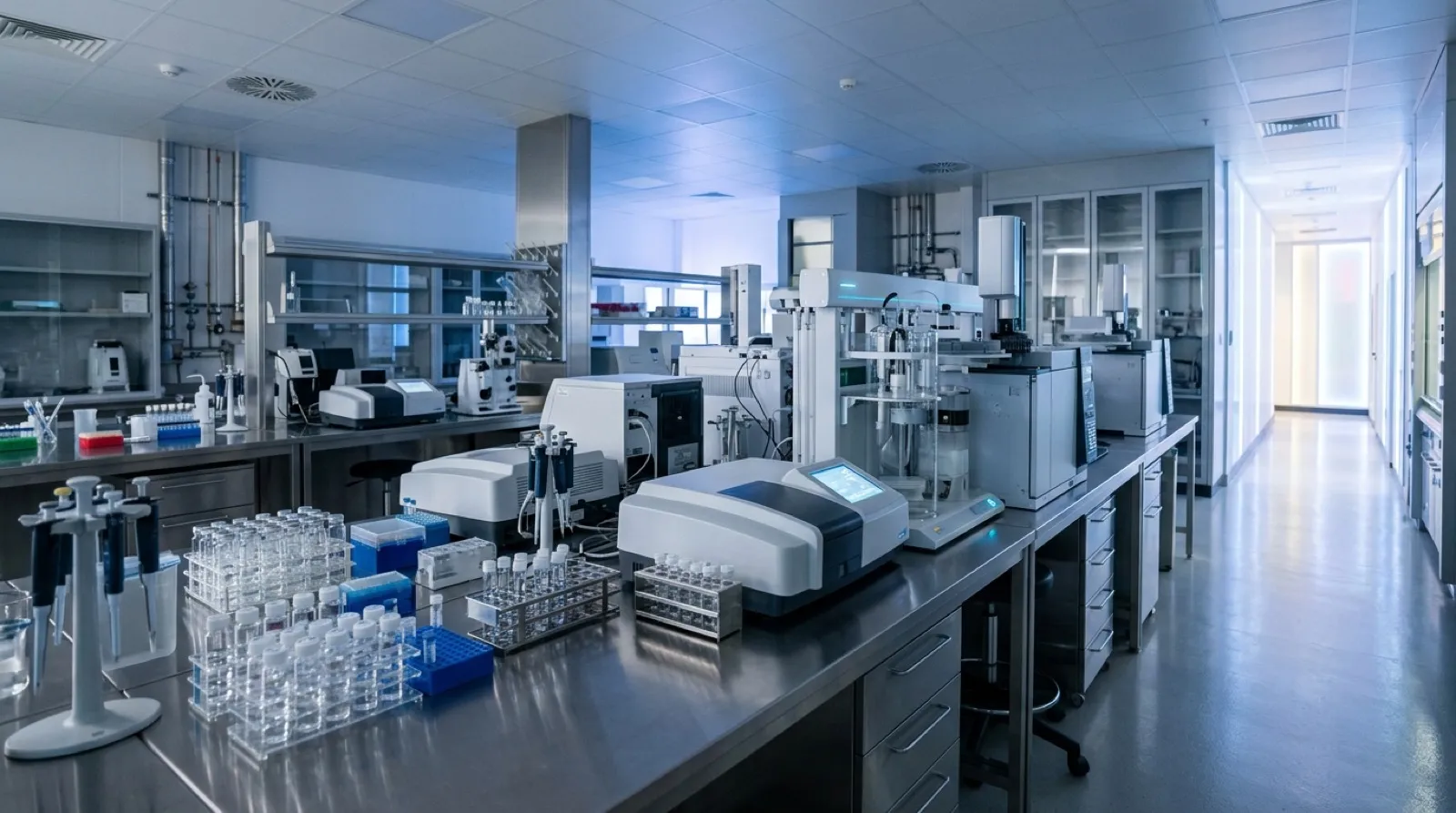
3. America's Two-Tier Regulatory System: The EPA's National Primary Drinking Water Regulations (NPDWR) and the Lessons of the Flint Lead Catastrophe
Drinking water in the United States is rigorously controlled by the Safe Drinking Water Act (SDWA, 42 U.S.C. § 300f et seq.), a federal law enacted in 1974, and by the National Primary Drinking Water Regulations (NPDWR, 40 CFR Part 141) that the US Environmental Protection Agency (EPA) established on that basis. The United States is counted among the countries with the most highly developed set of tap water testing parameters and enforcement powers in the world.
The EPA's regulations are strictly divided into Primary Standards, which impose mandatory limits on substances harmful to health, and Secondary Standards, which are recommended guidelines covering aesthetic qualities such as taste, odor, color, and hardness. The primary standards set legally enforceable Maximum Contaminant Levels (MCLs) for more than 90 contaminants, covering microorganisms, disinfectants, disinfection byproducts, inorganic chemicals, organic chemicals, and radionuclides. If a public water system (PWS) exceeds an MCL, it must immediately issue a public alert and supply alternative water, and it faces heavy civil fines or suspension of operations imposed by the federal courts. In April 2024, in particular, the EPA finalized the strictest statutory MCLs in history for the persistent contaminants PFAS—4.0 parts per trillion (ppt) each for PFOA and PFOS—opening a new chapter in environmental regulation worldwide.
Yet even with this cutting-edge federal regulatory net, the Flint Water Crisis—the worst tragedy in the history of the American water supply—occurred. In 2014 the city of Flint, Michigan, mired in a fiscal crisis, cut costs by terminating its contract for Lake Huron water supplied by the Detroit water department and switching its intake to water from the local Flint River, which was highly acidic and high in chloride. The fatal mistake was skipping the addition of a corrosion inhibitor (orthophosphate), a measure required by the federal Lead and Copper Rule (LCR). With no corrosion inhibitor, the acidic water dissolved the protective oxide film on the inner walls of old lead service lines across the city, and the taps from which thousands of children drank poured out lead at concentrations tens to hundreds of times the federal limit (15 ppb). Flint left the world the most painful lesson in water supply engineering: “no matter how cleanly water is filtered at the treatment plant, if the hydrochemical equilibrium inside the pipes is not controlled, it can become poison at the tap.”
4. The European Union’s Point of Compliance: Directive (EU) 2020/2184 and Emerging Contaminants
The European Union's drinking water management is built around Directive (EU) 2020/2184 of the European Parliament and of the Council (the Drinking Water Directive), comprehensively revised in December 2020. Enacted as part of the European Green Deal and the Zero Pollution Action Plan, the directive governs tap water quality across all 27 EU member states.
The most important legal principle of the EU drinking water directive is the “point of compliance” provision set out in Article 6. The directive obliges member states' laws to ensure that statutory quality standards are met 100 percent not at the outlet of the treatment plant managed by the public water network, but “in the case of water intended for human consumption, at the point inside the building where the water emerges from the tap used for human consumption (the consumer's tap).” In other words, whether the pipework is public or inside an apartment, the state's legal obligation is regarded as fulfilled only if the water meets the standards at the very moment a European citizen turns the handle and fills a glass. To that end, the EU requires member states to assess the risk of corrosion and contamination in household service pipes, and has made surveys of the condition of premise plumbing in public buildings such as schools and hospitals mandatory.
The revised directive also builds the world's most pre-emptive regulatory net for the emerging contaminants of modern industrial society. For PFAS, the so-called “forever chemicals,” it introduces strict limits of 0.10 μg/L for the sum of 20 individual major compounds and 0.50 μg/L for total PFAS. It also put into law for the first time a watchlist mechanism covering microplastics, endocrine disruptors (bisphenol A, nonylphenol and others), and disinfection byproducts such as chlorate and chlorite. In addition, to prevent precious treated water from being wasted through pipeline leaks, the EU requires each utility to measure its network leakage rate and disclose it to the European Commission, thereby managing the chemical safety of water and the resource efficiency of the supply network as a single whole.
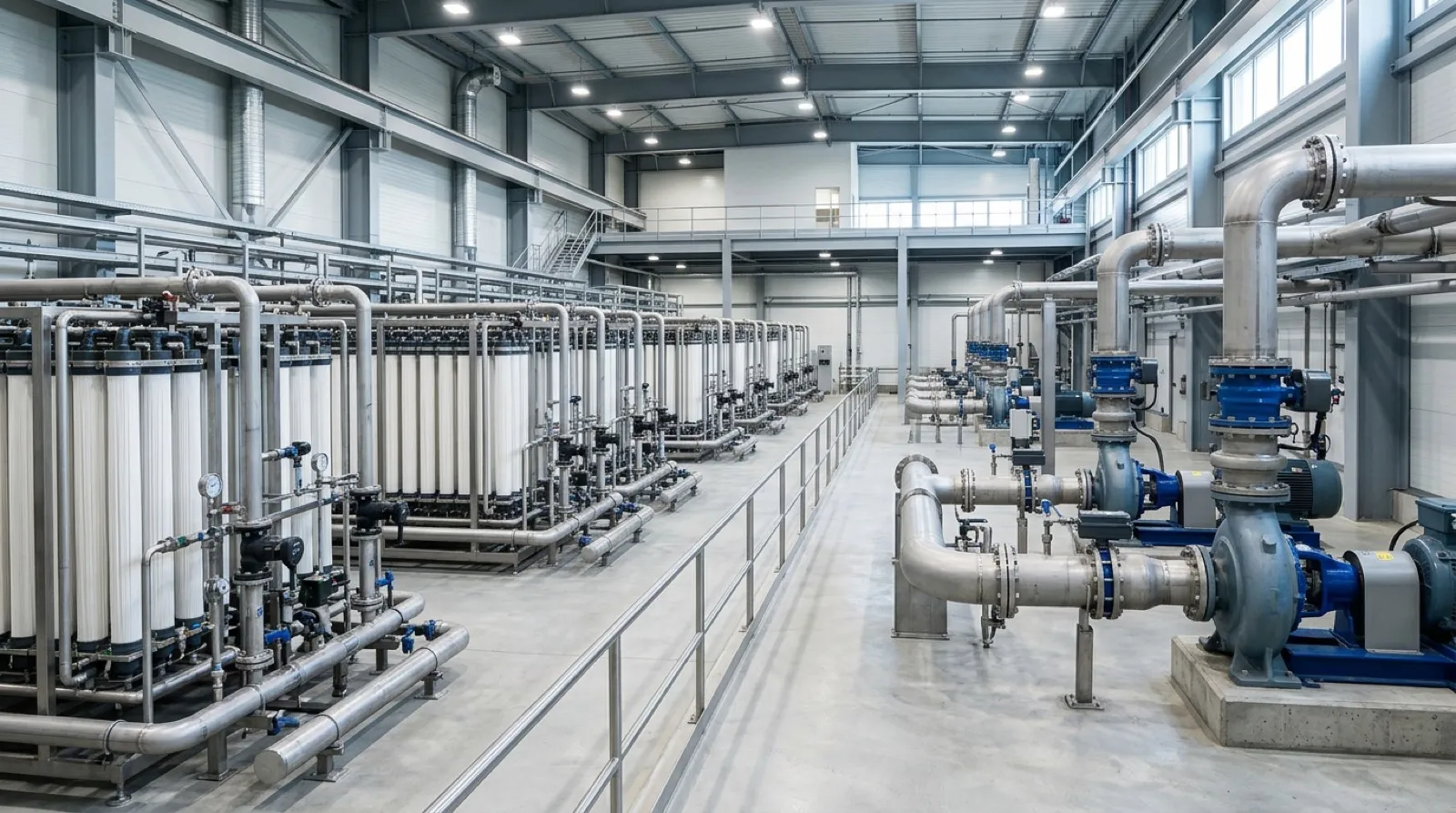
5. Standards of Asia's Advanced Water Networks: Japan's 51 Parameters under the Ministry of Health, Labour and Welfare Compared with Korea's 60 Standards under the Drinking Water Management Act
In Asia, the countries with the highest level of infrastructure allowing tap water to be drunk immediately without filtration are Japan and the Republic of Korea. To overcome high-density urbanization and extreme seasonal rainfall variability such as the monsoon rains and typhoons, both countries have written into law the world's strictest statutory water quality standards together with advanced treatment systems (ozone contact plus activated carbon adsorption).
Japan manages drinking water quality under the Water Supply Act (水道法) of 1957 and Ordinance No. 15 of the Ministry of Health, Labour and Welfare (MHLW). Japan's quality standards are organized in three tiers. The first consists of the legally binding Water Quality Standards (51 items): 2 microbiological items, such as general bacteria (≤ 100 CFU/mL) and E. coli (not detected); 31 health-related inorganic and organic chemical items, including cyanide, mercury, lead (≤ 0.01 mg/L), arsenic, and hexavalent chromium; and 18 aesthetic items, including hardness (≤ 300 mg/L), residual chlorine (maintained at 0.1 mg/L or above, with an upper limit of 1.0 mg/L recommended), taste, odor, color, and turbidity. The second tier is the 27 Water Quality Management Target Items, which monitor substances for possible future health effects, and the third is the 47 Items for Further Consideration, which build up basic data. Japan has in particular expanded nationwide the introduction of membrane filtration facilities to completely remove the pathogenic protozoa Cryptosporidium and Giardia during treatment.
In the Republic of Korea, the Ministry of Environment enforces 60 mandatory drinking water quality standards under the Drinking Water Management Act (Act No. 19994) and Annex 1 of its enforcement rules. The framework is tightly woven: 4 microbiological items (general bacteria 100 CFU/mL; total coliforms and E. coli/fecal coliforms not detected per 100 mL; fecal streptococci and others); 12 inorganic substances harmful to health (lead 0.01 mg/L, arsenic 0.01 mg/L, mercury 0.001 mg/L and others); 17 harmful organic substances (benzene, toluene, pesticides and others); 11 disinfectants and disinfection byproducts (free residual chlorine 0.1–4.0 mg/L, total trihalomethanes 0.1 mg/L and others); and 16 substances affecting aesthetic quality (hardness ≤ 300 mg/L, turbidity ≤ 0.5 NTU and others). Going beyond the 60 statutory standards, the Seoul Metropolitan Government Waterworks Authority (Arisu) and K-water (Korea Water Resources Corporation) test from 170 up to more than 350 parameters of their own, including WHO-recommended items and unregulated trace substances, and publish treatment plant water quality results transparently online for citizens every day.
6. Treatment Plant Water Quality vs. the Household Tap: Storage Tanks and Aging Premise Plumbing (Premise Plumbing) as Hidden Variables
If the water leaving treatment plants is of the highest standard in the world, why do so many Koreans, Japanese, and Americans still hesitate to drink tap water and buy bottled water instead? The key reason lies in the uncertainty of the last stretch of pipework that clean water leaving the plant must pass through before it reaches the kitchen tap in each home. Water supply engineering draws a strict distinction between the large distribution mains buried under public roads and the pipe network that crosses into the boundary of an individual building; the latter is called premise plumbing.
Public distribution mains are regularly flushed, inspected with endoscopic cameras, and relined by the water utility. Private pipe networks, for which the building owner bears the responsibility, however, lie in a blind spot of public oversight. The main risk factors are as follows:
- Corrosion of Galvanized Steel Pipes: Prior to April 1994 in South Korea and through the 1960s in North America, galvanized iron piping was widely installed for domestic plumbing. Over decades, the internal zinc coating degrades, exposing raw iron to dissolved oxygen. The resulting ferric oxide crust causes rust-colored tap water, severe flow constrictions, and protective micro-environments where opportunistic bacteria can colonize. South Korea strictly banned galvanized steel for domestic potable plumbing in 1994.
- Lead Soldering on Copper Piping: While copper tubing itself is biologically inert and durable, copper lines installed prior to regulatory bans in the late 1980s were routinely joined using 50/50 lead-tin solder. Fluctuations in water pH or chlorine levels can induce galvanic corrosion, leaching dissolved lead into standing water overnight.
- Neglected Rooftop Water Tanks and Cisterns: In older high-rise and multi-unit residential structures, water is pumped to rooftop storage reservoirs to maintain gravity-fed pressure. If these cisterns are not inspected and mechanically disinfected at least biannually, airborne particulates, biofilm, and insect intrusion can cause severe secondary bacterial contamination of otherwise pristine municipal water.
- Biofilm Accumulation in Faucet Aerators: Faucet aerators utilize fine stainless steel or plastic mesh screens to shape the water stream. Over months of use, these screens trap dislodged pipeline sediment, mineral precipitates, and organic biofilm. If left uncleaned, the faucet tip itself becomes a primary source of bacterial recontamination.
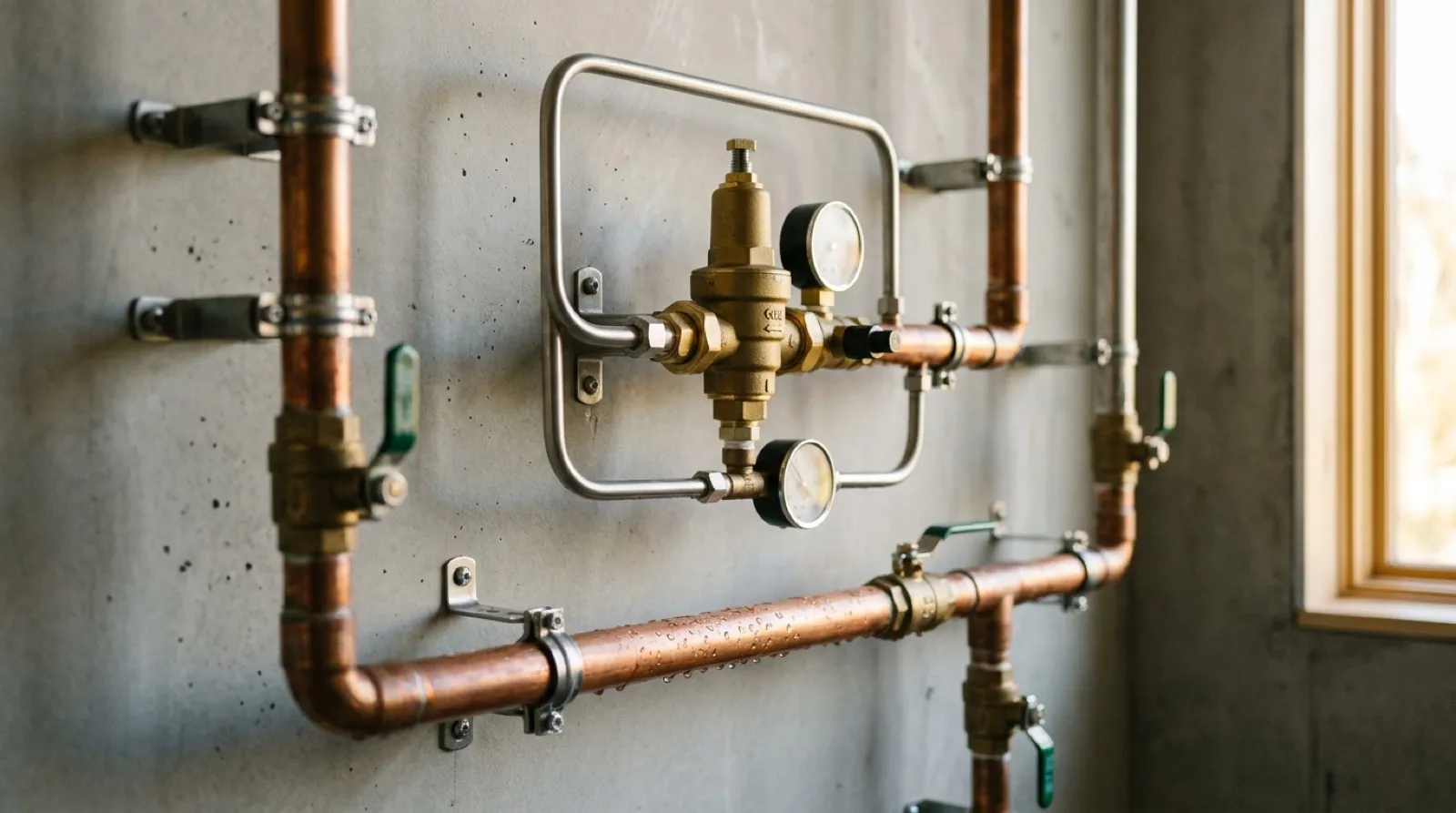
7. The Science of Hard Water and Soft Water: The Truth About Minerals, Safety for the Human Body, and Scale in Pipes
For Korean travelers visiting Europe (France, Germany, the United Kingdom, Italy and so on) or the American Midwest, the biggest shock on drinking the tap water is “the difference in taste and in how soap lathers.” Boil the water and a thick white deposit clings to the bottom of the electric kettle; soap barely lathers; hair feels stiff after washing. Because of this, many travelers pass along the fearful myth that “European tap water is badly contaminated with lime, and drinking it gives you stones or arthritis.”
From the standpoint of hydrochemistry, however, so-called lime water is not a contaminant but hard water arising from the natural geological environment. Water hardness is the amount of calcium ions (Ca2+) and magnesium ions (Mg2+) dissolved in water, expressed as a concentration of calcium carbonate (CaCO3) in mg/L. Water in Korea and Japan runs quickly down over granite terrain and is soft water with a hardness of typically 30–80 mg/L, whereas water sources on the European continent pass slowly over long periods through thick limestone and chalk layers, delivering strongly hard water with a hardness of 200–400 mg/L.
According to in-depth research reports by the World Health Organization (WHO), the calcium and magnesium contained in hard water are not only harmless to the human body but are an important source of essential minerals that modern diets often lack. Many epidemiological studies report a correlation in which residents of areas that drink hard water have statistically significantly lower mortality from cardiovascular disease than residents of areas that drink soft water. Furthermore, the main causes of kidney stones are individual constitution, dehydration, and excessive intake of oxalate; a direct causal link with the calcium concentration of drinking water has not been proven. In short, Europe's lime-rich water is not “water that is dangerous to drink” but “water that is very rich in minerals yet aesthetically heavy and flat.” It does, however, cause physical damage by building calcium carbonate scale in boiler pipes, lowering thermal efficiency and shortening the life of appliances, which is why European households widely use water softeners and Brita filters—not for drinking safety, but to protect their equipment.
8. In Closing: Three Facts to Check in Order to Use Tap Water Safely
The history of human civilization has been a history of ceaseless struggle to secure safe drinking water. From the aqueducts of the Roman Empire to today's nano-membrane filtration plants, water supply technology is the greatest public health achievement of all, the one that saved humanity from cholera and typhoid. What we need in our attitude toward tap water today, however, is neither blind fear nor unconditional complacency, but discernment grounded in scientific fact.
First, always consult the official municipal water quality report for your specific locality. In the United States, federal law mandates that every public water supplier issue an annual Consumer Confidence Report (CCR) detailing detected contaminants against federal MCL limits. In South Korea, the Ministry of Environment’s National Water Information System and local utility portals provide transparent daily water quality readings by neighborhood district. Confirming that municipal output conforms to WHO-aligned chemical and microbial thresholds is the bedrock of water safety.
Second, evaluate the construction age and piping materials of your dwelling. If residing in a structure built prior to statutory pipe reform (e.g., pre-1994 in South Korea or pre-1986 in the US), recognize that galvanized steel and lead solder may be present in premise plumbing. The simplest, most effective mitigation is allowing the tap to run cold for 1 to 2 minutes each morning to flush stagnant water that has absorbed leached pipe metals overnight. Where available, taking advantage of municipal free in-home tap testing programs provides empirical confirmation of pipe integrity.
Third, exercise rigorous maintenance over filtration devices and aerator screens. Point-of-use carbon blocks and pitcher filters remove aesthetic chlorine odors and micro-sediments, but failing to replace filter cartridges on manufacturer schedules transforms the filter medium into an incubator for bacterial proliferation once the protective chlorine residual is stripped. Regularly unscrewing domestic faucet aerators, scrubbing the mesh screens with a toothbrush, and soaking them in diluted vinegar ensures that clean municipal water emerges safely into your glass.