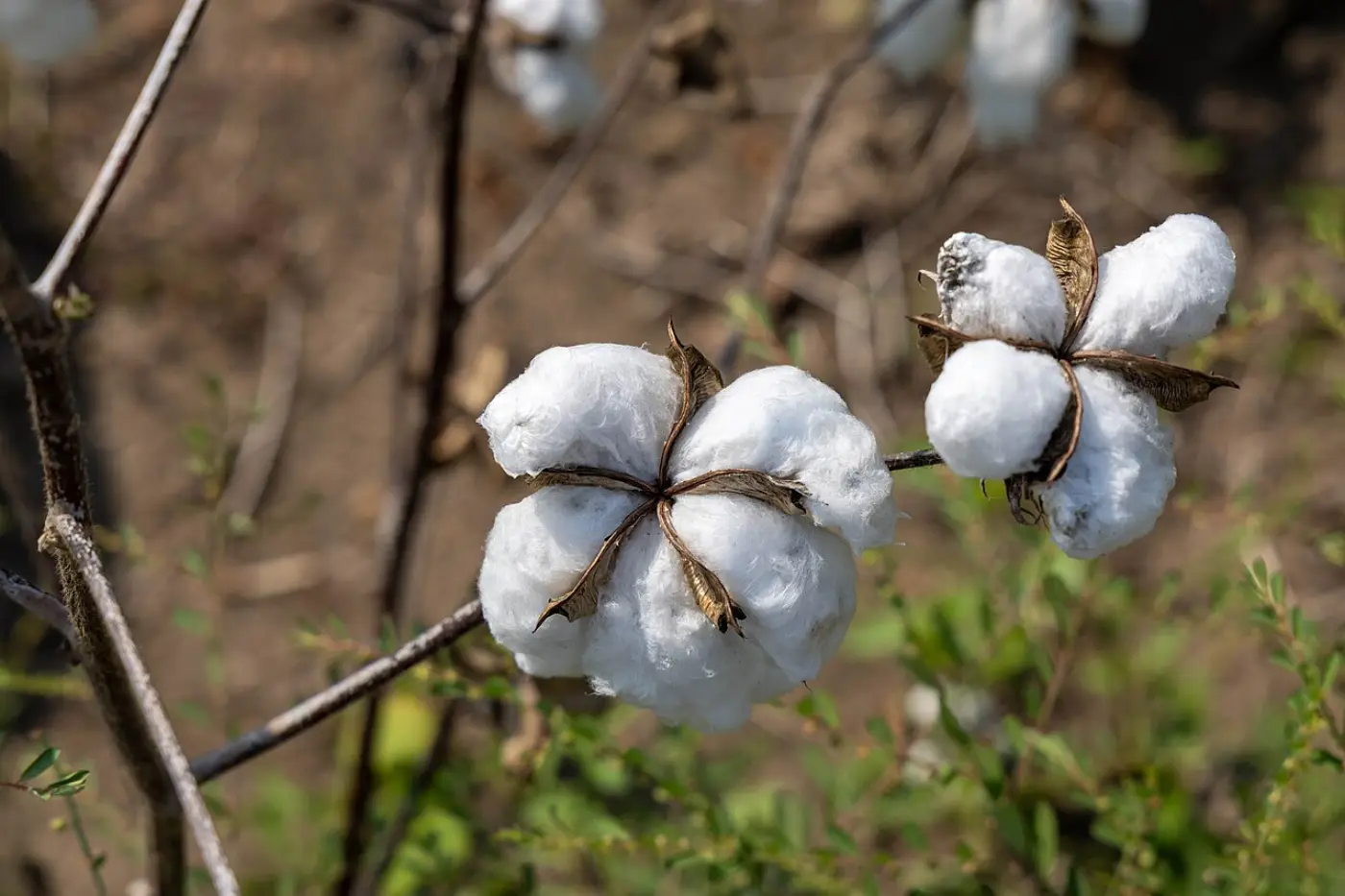
The short answer: mumyeong was cotton cloth for every season, and it was also money
Mumyeong is Korea's native cotton cloth, woven from cotton yarn. In Joseon it was worn in all four seasons. In trade, it also worked as money. Making it took three steps. First, the seeds were removed from the cotton with a ssia (cotton gin). Next, the fibre was spun into yarn on a mulle (spinning wheel). Finally, the yarn was woven on a loom. This is part 3 of a seven-part series.
Joseon-era documents call cotton cloth myeonpo (綿布) or mok (木). The Encyclopedia of Korean Culture describes mumyeong as a native textile. It distinguishes mumyeong from gwangmok (廣木), oyangmok (玉洋木) and Western cotton (seoyangmok). In this article, "mumyeong" means the cloth as a fabric. When the subject is trade and taxes, we follow the documents and use "myeonpo". Keeping the two terms apart shows that the same cloth turns up in two kinds of records: those about clothing and those about currency.
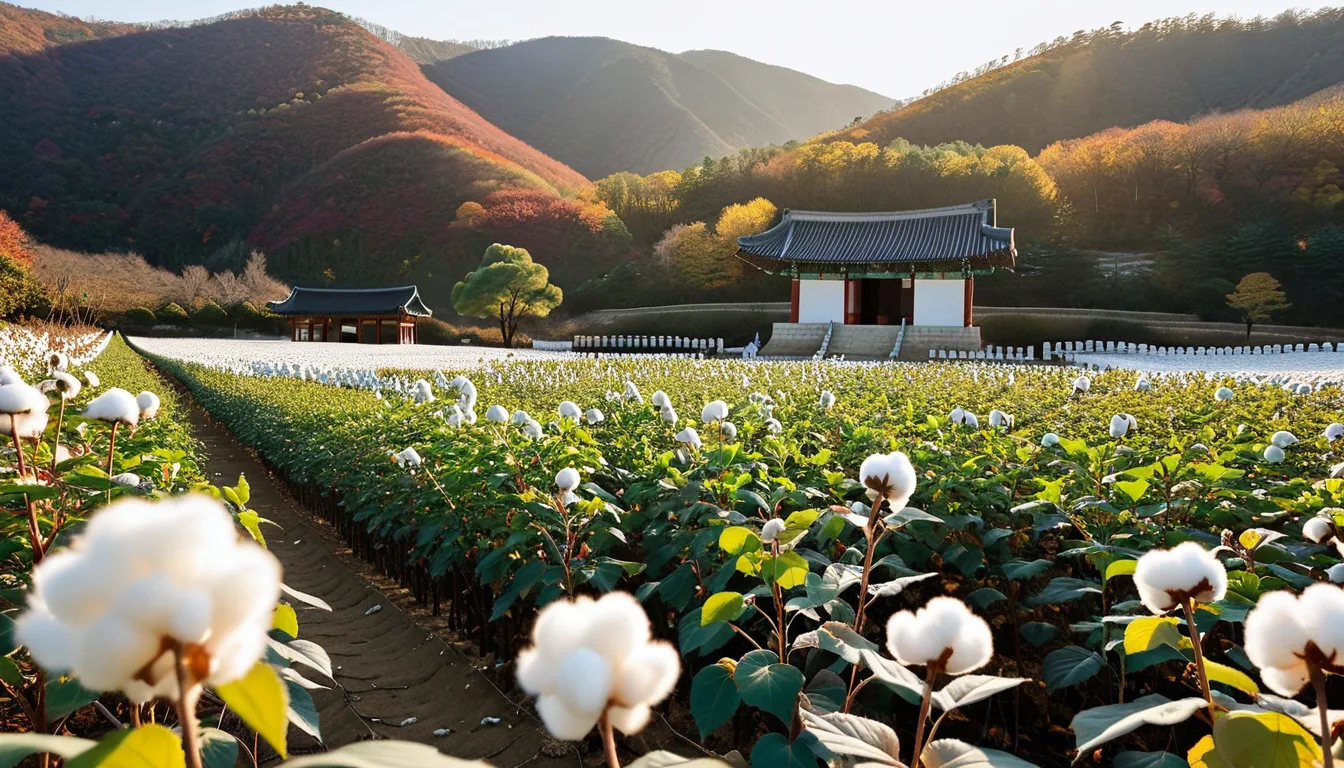
Cotton seeds in 1363, the gin and the spinning wheel: the Encyclopedia of Korean Culture on Mun Ik-jeom
The Encyclopedia of Korean Culture, published by the Academy of Korean Studies, tells how cotton arrived through the life of Mun Ik-jeom. Mun travelled to Yuan China as secretary (seojanggwan) to an envoy mission under King Gongmin of Goryeo. The encyclopedia's entry on him describes the moment this way: "In 1363 (the 12th year of King Gongmin), he went to the Yuan as secretary to the envoy mission, and on his return he secretly brought back cotton seeds hidden inside a brush holder."
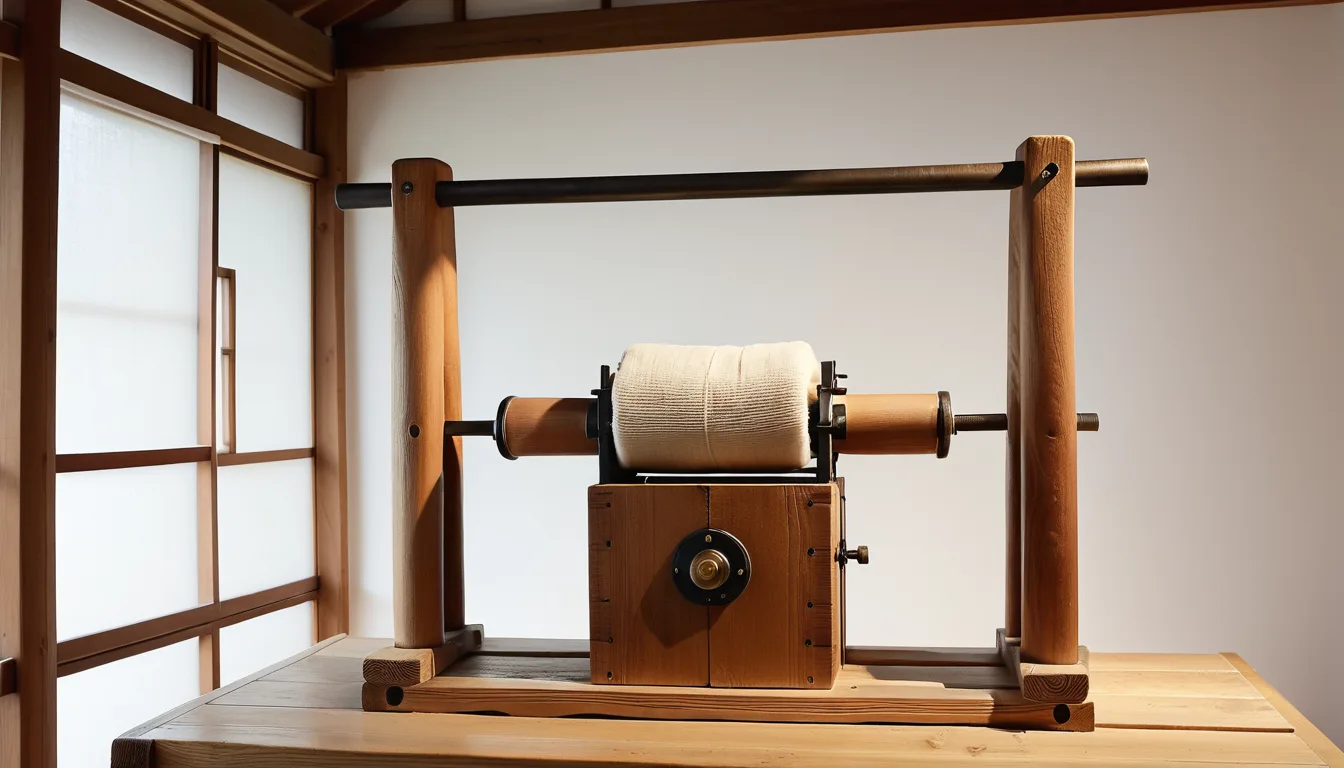
At first he did not know how to grow the plant, and he managed to keep only a single plant alive. After three more years of effort, cultivation succeeded and the seeds spread across the country. Jeong Cheon-ik took part in this trial planting. A Yuan monk named Hongwon (弘願) was staying at Jeong's house. According to the encyclopedia, the two men learned from him how to make the ssia and the mulle. The ssia consists of two posts set into a wooden block, with two interlocking round wooden rollers fitted between them.
With a ssia, one woman could remove the seeds from two mal of cotton in a day. The book *Bukhakui* lists the ssia under the name gakcha (攪車). The mulle is the device used to spin yarn. Mulle songs are women's work songs. They belong to the family of weaving songs, along with hemp-splicing songs (samsamgi norae) and loom songs (beteul norae). In this account, the cotton seeds and the know-how to build the tools arrive in the same story. In other words, seeds alone did not make cloth: the tools had to come with them.
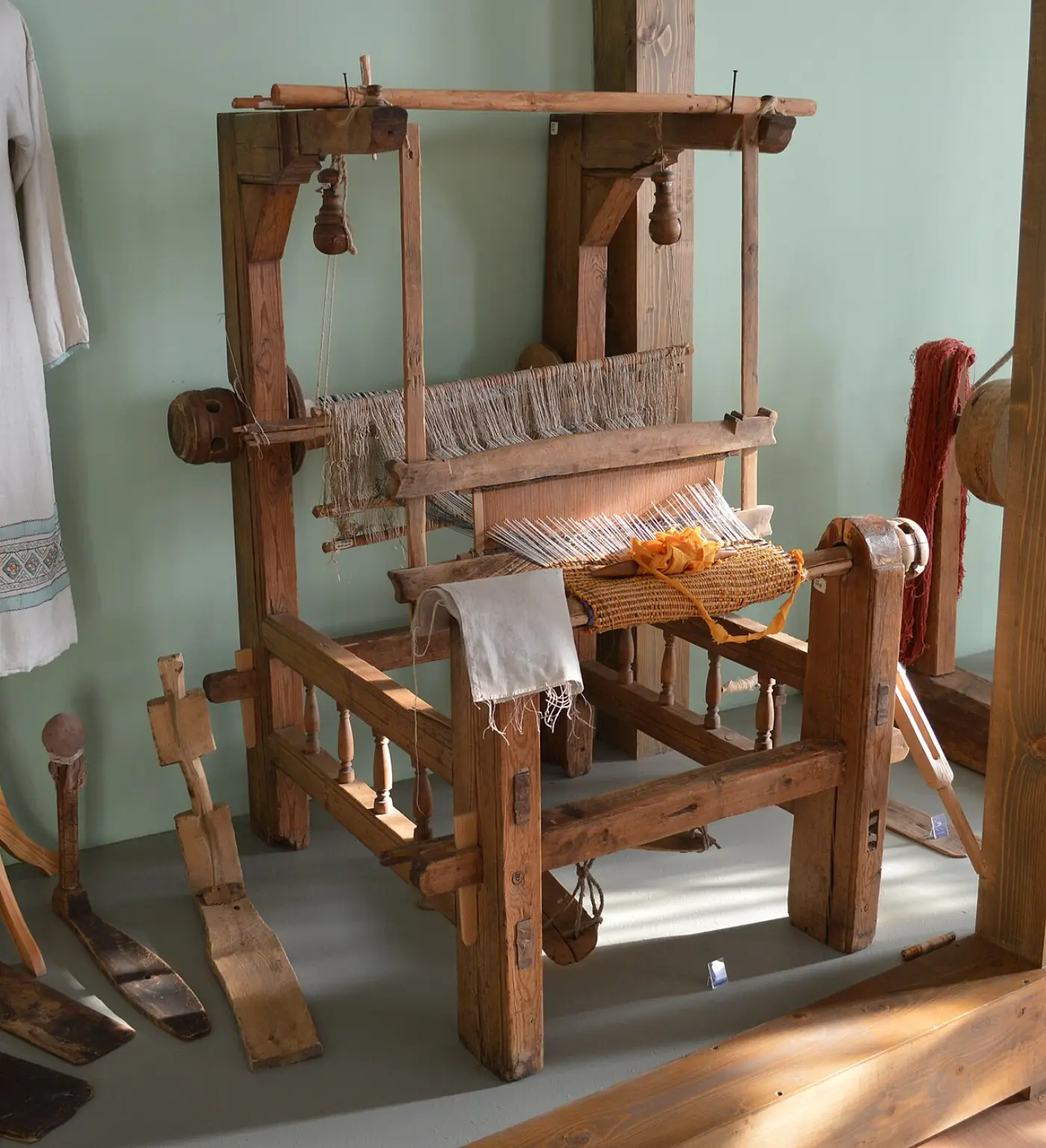
The treadle loom and seven-sae cotton: comparing loom records from Korea, China and Japan
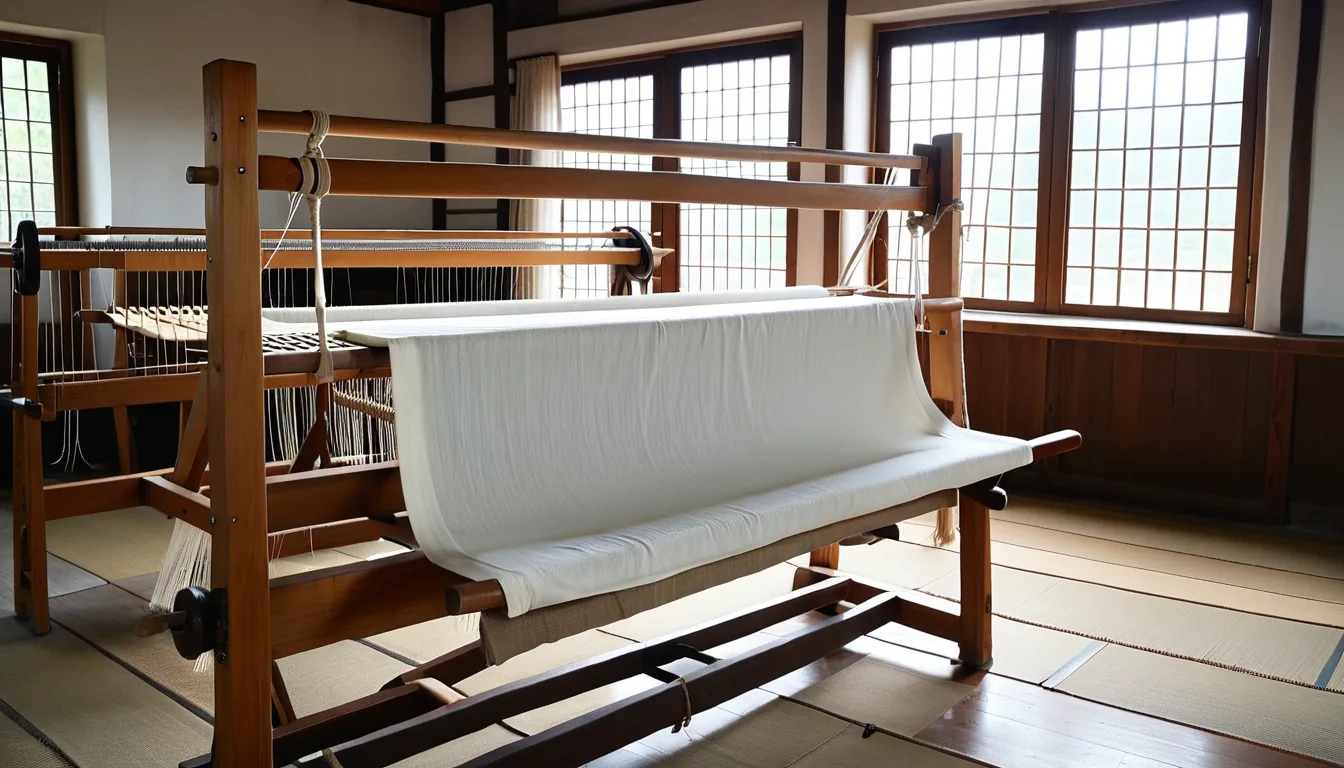
Once the yarn is ready, it is woven into cloth on a loom. The Encyclopedia of Korean Culture describes the dammok jikgi (踏木織機), or treadle loom, as a type of handloom (sujikgi, 手織機). The weaver powers it by pressing the loom's treadles with the feet. It works on a different principle from the pogi (布機), which opens the shed when the weaver pulls and releases a foot cord. Mumyeong was woven about 32–36 cm (7 chon) wide, and a single bolt (pil) was about 20 m (40 cheok) long. Quality was graded by thread count, or seungsu, known as "sae". Cloth of about seven sae was usually sturdy and practical, and it was widely used for everyday clothes.
The same encyclopedia's records can be sorted by country. In terms of use, Korea, China and Japan all wove silk and cotton on the treadle loom. The three countries also shared what they did not weave on it: none of them used the treadle loom for bast-fibre textiles. As for transmission, Korean mumyeong was exported to Japan during the reign of King Taejong of Joseon. Cotton seeds and weaving techniques reached Japan at the same time.
This breakdown keeps us from lumping every "loom" together as a single tool. It suggests that even the same loom was put to different uses depending on the fibre. And the record that mumyeong and its weaving techniques crossed to Japan keeps us from seeing mumyeong only as everyday cloth used inside one country.
Year-round cloth and standard currency: from five-seung cloth in late Goryeo to military-service fields in late Joseon
The Encyclopedia of Korean Culture describes mumyeong as the textile most widely used for clothing in spring, summer, autumn and winter. It was also used for bedding and household goods. Winter clothes were lined and padded with cotton wadding. Spring and autumn clothes were lined, and summer clothes were unlined. In a Korea JoongAng Daily article, Kim Young-jae, a researcher at the National Folk Museum of Korea, said hemp and ramie were summer fabrics, while cotton and silk were expensive. Ramie fibre is made by stripping the bark of the ramie plant into fine strands with the teeth. Hemp cloth, grouped with ramie as a summer fabric, is covered in our article on hemp cloth. Taken together, the two sources suggest that mumyeong is hard to dismiss as simply a common, cheap cloth.
Cloth also served as money. A scholarly paper on Kyobo Scholar argues that in late Goryeo, five-seung cloth (oseungpo) was the standard currency for both state finances and private exchange. In early Joseon, under Kings Taejong and Sejong, the state pushed hard to circulate jeohwa (楮貨) paper money and coins, but the policy failed. Around Sejong's reign, as cotton farming spread, myeonpo replaced sangpo as the new standard currency. From the mid-15th century, a coarse cotton cloth called chupo (麤布) appeared in the capital's markets and took over as the standard currency.
Cloth was also tied to obligations owed to the state. In late Joseon, local communities set aside fields called gunyeokjeon (軍役田) to pay the military cloth tax (gunpo, 軍布) jointly. Gunyeokjeon first appeared in the early 19th century in the northern regions, centred on the Gwanseo area, and then spread to the three southern provinces (Samnam). These fields lasted until the end of the Joseon era. After the Gabo Reform, they were absorbed into public and station or garrison lands (gongto and yeokdunto). Because the story of this cloth leads into records of money and taxation, mumyeong arguably needs to be read in the history of everyday life and in economic history alike.
National Intangible Cultural Heritage No. 28: Naju Saetgollai (1969) and the Sancheong site of the first cotton cultivation
Naju Saetgollai is the traditional fine cotton cloth woven around Dongdang-ri, Dasi-myeon, in Naju, South Jeolla Province. The Korea Heritage Service's National Heritage Portal gives its English name as 'Naju Saetgollai (Cotton Weaving of Naju)'. A press release from the Cultural Heritage Administration (now the Korea Heritage Service) explains the name: "Saetgol refers to the village of Dongdang-ri, and nai is a word meaning weaving."
On July 4, 1969, the then Office of Cultural Properties designated the craft as National Intangible Cultural Heritage No. 28. The aim was to preserve traditional cotton weaving, which was dying out. Kim Man-ae was recognised as its holder at that time. On October 10, 1990, No Jin-nam, the only person still practising traditional cotton weaving, was also recognised as a holder. She passed the technique on to Kim Hong-nam (then an assistant instructor) and others.
The place where cotton was first grown also survives. Mun Ik-jeom and Jeong Cheon-ik carried out the first trial planting in Sawol-ri, Danseong-myeon, Sancheong County, South Gyeongsang Province. The site, known as the Sancheong Site of the First Cotton Cultivation (Mokmyeon Sibae Yuji), was designated a Historic Site in 1963. You can read the original texts on the Korea Heritage Service's National Heritage Portal and on the Encyclopedia of Korean Culture website. The designation records preserve both the village name and the holders' names. That detail shows cotton weaving as a skill carried on through places and people.
| Fabric | Raw material / fibre | Season / use | Records of making and weaving |
|---|---|---|---|
| Mumyeong | Cotton (seeds brought back by Mun Ik-jeom in 1363 spread nationwide) | Clothing for all four seasons, bedding and household goods; winter clothes lined and padded with cotton wadding | Seeds removed with a ssia, yarn spun on a mulle, cloth woven on a treadle loom; seven-sae cloth widely used for everyday clothes |
| Naju Saetgollai | Mumyeong cloth woven from cotton | Traditional fine cotton cloth from around Dongdang-ri, Dasi-myeon, Naju | Traditional cotton weaving; designated National Intangible Cultural Heritage No. 28 in 1969 |
| Ramie | Ramie plant | Summer fabric (Kim Young-jae, researcher, National Folk Museum of Korea) | Bark of the ramie plant stripped into fine strands with the teeth |
| Silk (silk textiles) | Silk (絹) | Expensive fabric (Kim Young-jae, researcher, National Folk Museum of Korea) | Woven on the treadle loom in Korea, China and Japan |
Wrapping up: three strands of the mumyeong record
The records of mumyeong fall into three broad strands: seeds and tools, clothing and the seasons, and money and taxes. These strands are scattered across encyclopedia entries, papers and press releases. Reading only one source shows just one side of mumyeong.
Some questions remain. How does seven-sae mumyeong, the cloth widely used for everyday clothes, differ as a fabric from Saetgollai, called "fine cotton cloth"? And what kind of cloth was chupo, which served as money in the markets? When you see a ssia in a museum, recall the record of "two mal a day". It lets you weigh the size of the tool against a day's work.