1. The week at a glance: a Korean Series title, Seoul's first snow and a flu rebound
Three stories dominated the week of November 2–8, 2026. The Samsung Lions won their first Korean Series title in 12 years. Seoul saw its first snow after a cold wave advisory. And influenza cases began rising again. Each story comes with dates and figures you can check against game records, Korea Meteorological Administration (KMA) observations and Korea Disease Control and Prevention Agency (KDCA) data. When sports, weather and health news land in the same week, the dates and numbers are easy to mix up. So each story gets two sections: one on what happened, and one on its impact, the reaction and what to know. We start with the Korean Series, then turn to the first snow and cold wave, and end with influenza.
In the Korean Series, Samsung, second in the regular season, beat the first-place KT Wiz 4–1 and clinched the title on November 8. On the weather front, the KMA issued a cold wave advisory for some regions on November 6. The season's first snow was confirmed at the Seoul Weather Observatory on November 8. On the health front, the influenza-like illness rate rose again, and the KDCA urged vaccination on November 6. Because a cold wave advisory and a flu warning came on the same day, November 6, the week can be read as one in which signs of winter showed up on several fronts at once.
2. Samsung Lions win the Korean Series: 12-1 in Game 5 on November 8, a 4–1 series and a first title in 12 years
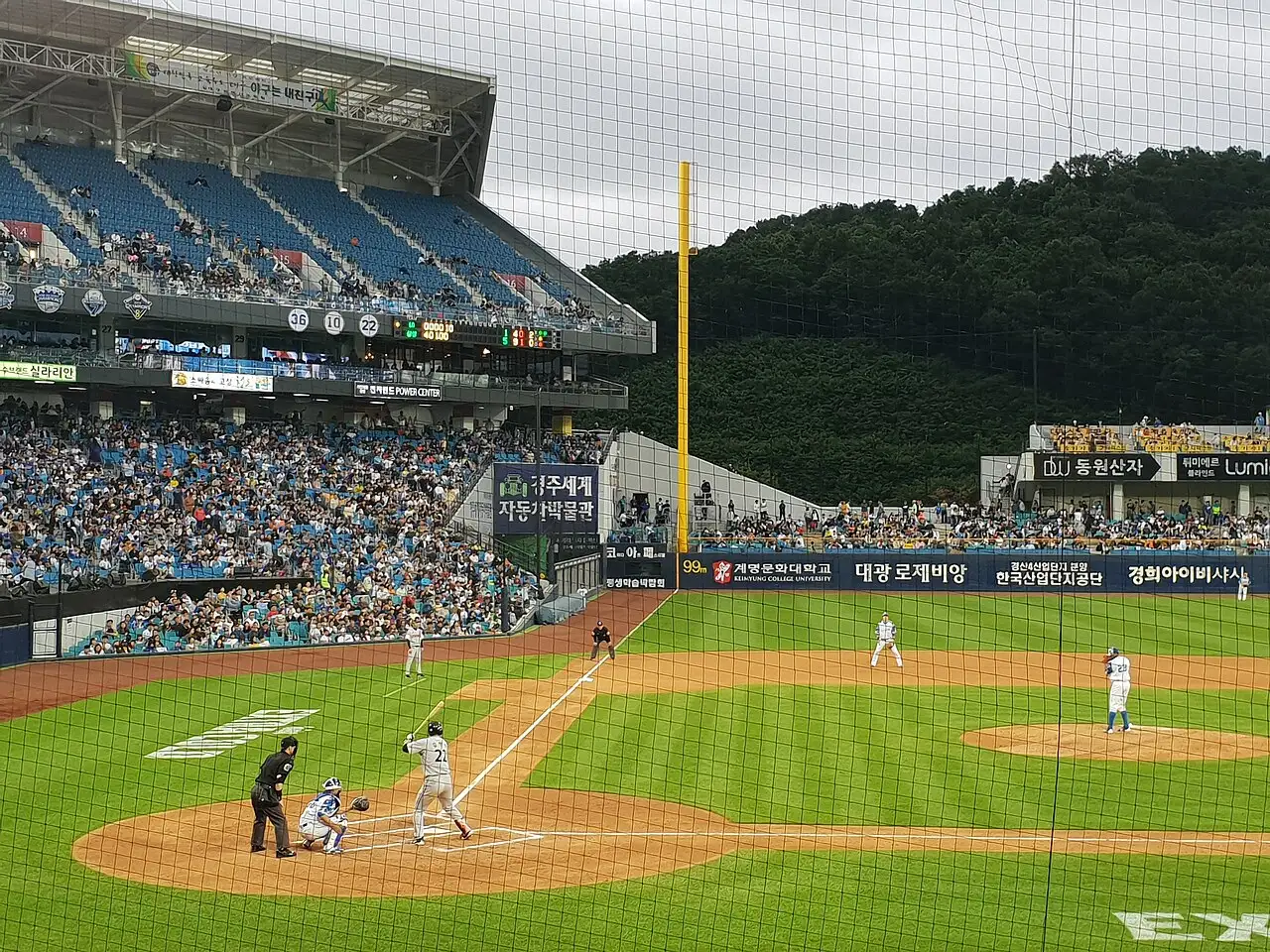
The Samsung Lions beat the KT Wiz to win the 2026 Korean Series. According to Money Today, Samsung won Game 5 12-1 on November 8 at Samsung Lions Park in Daegu. The title is the club's ninth and its first since 2014. The series was best-of-seven, so the first team to four wins took the title. Samsung lost Game 1, then won four straight to finish 4–1. The English Wikipedia article "2026 KBO League season" lists the series as running from November 3 to 8.
The result arguably drew attention because it reversed the regular-season standings. According to the same Wikipedia article, KT finished first at 90-49-5 (a .647 winning percentage) and Samsung second at 83-58-3 (.589). Samsung reached the final by beating the KIA Tigers 3–2 in the best-of-five playoff, where the first team to three wins advances. The Korean Series run covered in last week's roundup ended in a championship. Set side by side, the winning-percentage gap over a long regular season and the result of a short series show that the two records measure different things.
3. Impact and reaction: the first upset since 2018, and MVP Koo Ja-wook with 72 of 97 votes
Money Today notes that this is the first Korean Series upset in eight years by a team that did not win the regular season. The last was SK, against Doosan, in 2018. Here, an upset title means a championship won by the team with the lower regular-season ranking. The same report says manager Park Jin-man, who won six championship rings as a player, claimed his first Korean Series title as a manager. Together, these two records make the win more than one season's result: it is a moment the league had not seen in a while.
A notable reaction in the coverage was the reporters' vote for Most Valuable Player (MVP). According to Money Today, Koo Ja-wook batted .500 (10 for 20) with one home run and six RBIs across Games 1 to 5. He received 72 of 97 votes (74.2%) from the press corps and won his first Korean Series MVP award. With roughly three-quarters of the votes going to one player, the press corps can be seen as having largely converged on him. One more figure is worth noting. Wikipedia puts total attendance for the 2026 regular season (March 28 to October 12) at 12,770,551. In that sense, a season that drew more than 10 million fans ended with this title.
4. Seoul's first snow and a cold wave advisory: first snow on November 8, 26 days earlier than last year and 12 days earlier than normal
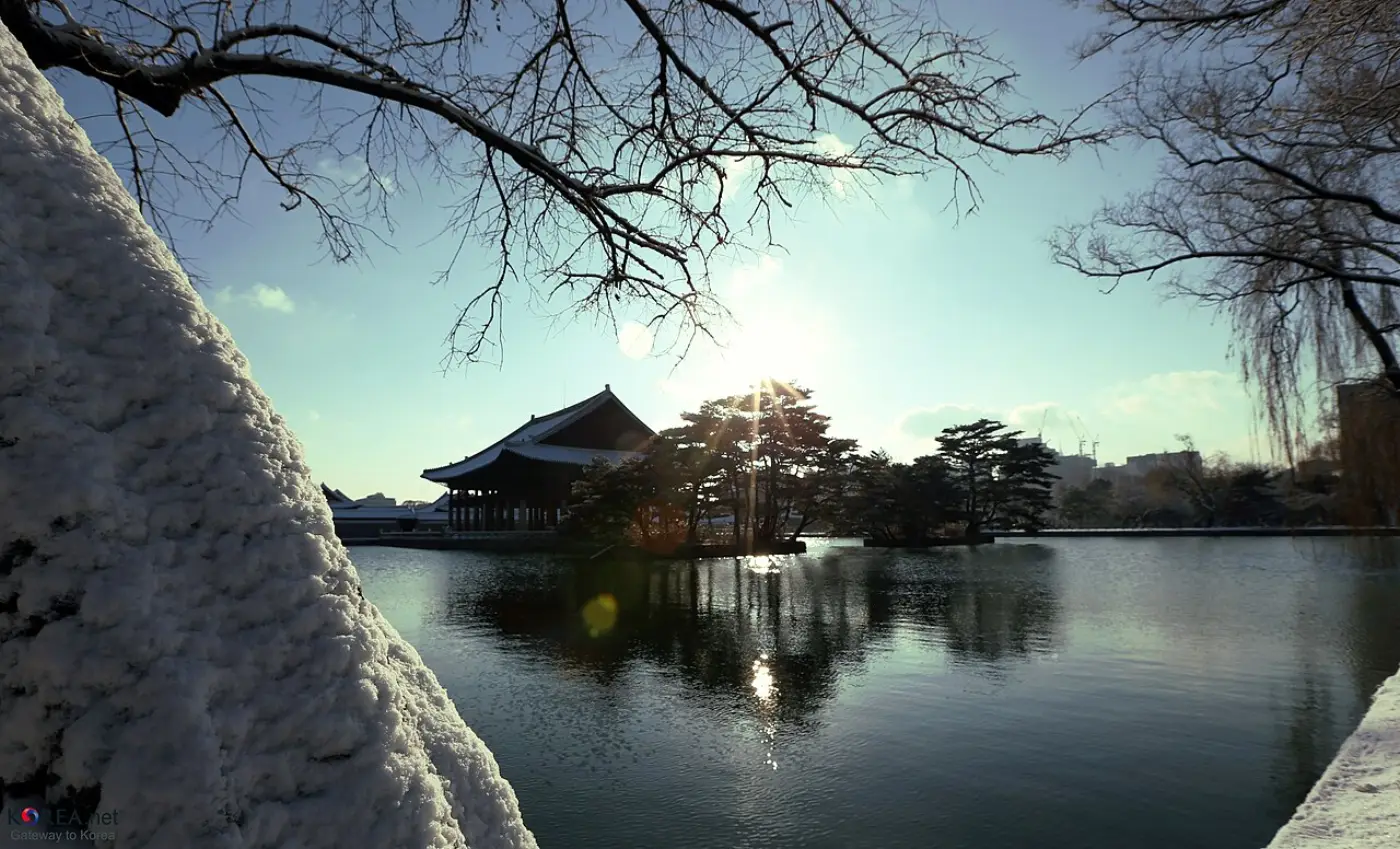
Seoul saw its first snow of the season on November 8. Kookmin Ilbo reports that the KMA officially confirmed the snowfall at the Seoul Weather Observatory in Songwol-dong, Jongno-gu. It came 26 days earlier than last year's first snow (December 4) and 12 days earlier than normal (November 20). Seoul Shinmun added that the normal date is the 1991–2020 average. The paper also called it the earliest first snow in 20 years and the sixth earliest since records began in 1973.
The cold arrived before the snow. According to Asia Economy, the KMA issued a cold wave advisory on November 6 for parts of Gyeonggi, Gangwon, Chungcheong and South Gyeongsang, effective from 9 p.m. that day. The agency cited cold air flowing in from the northwest. It forecast morning lows of -6 to 5 degrees for Ipdong (November 7), the seasonal division that marks the start of winter. That is about 5 to 10 degrees colder than on the 6th. Seoul Shinmun reports that Seoul also recorded its first ice on Ipdong. That was 10 days later than last year (October 28) and 4 days later than normal (November 3). First ice came later than normal, while first snow came earlier: different indicators can send different seasonal signals.
5. Impact and what to know: Seoul's wind chill forecast around -5 degrees on November 7
Asia Economy reports that Seoul was forecast to drop to -1 degree on the morning of November 7. The wind chill was expected to be around minus 5 degrees, the coldest of the autumn so far. On the 8th, the day of the first snow, flurries mixed with raindrops fell over Seoul, Incheon and northern Gyeonggi at around 10 a.m. Kookmin Ilbo said forecasters expected no accumulation because the precipitation was light. According to the same report, people were also urged to take special care with traffic safety and facility management, because visibility could drop sharply and black ice could form on roads. A no-accumulation forecast paired with a black ice warning is a reminder that the amount of snow and the hazards on the road are separate questions.
It also helps to know who decides what counts as the first snow, and how. According to Kookmin Ilbo, Seoul's first snow is determined at the Seoul Weather Observatory. Seoul Shinmun explains that it counts when an observer at the station sees falling snow with the naked eye. So even if you spotted flurries somewhere else first, the official date comes from the observatory's record. The test is whether falling snow was seen, not how much piled up. In other words, the "first snow" is an observational record that follows a set procedure.
6. Influenza on the rise again: KDCA warning on November 6, week 44 ILI rate at 22.8
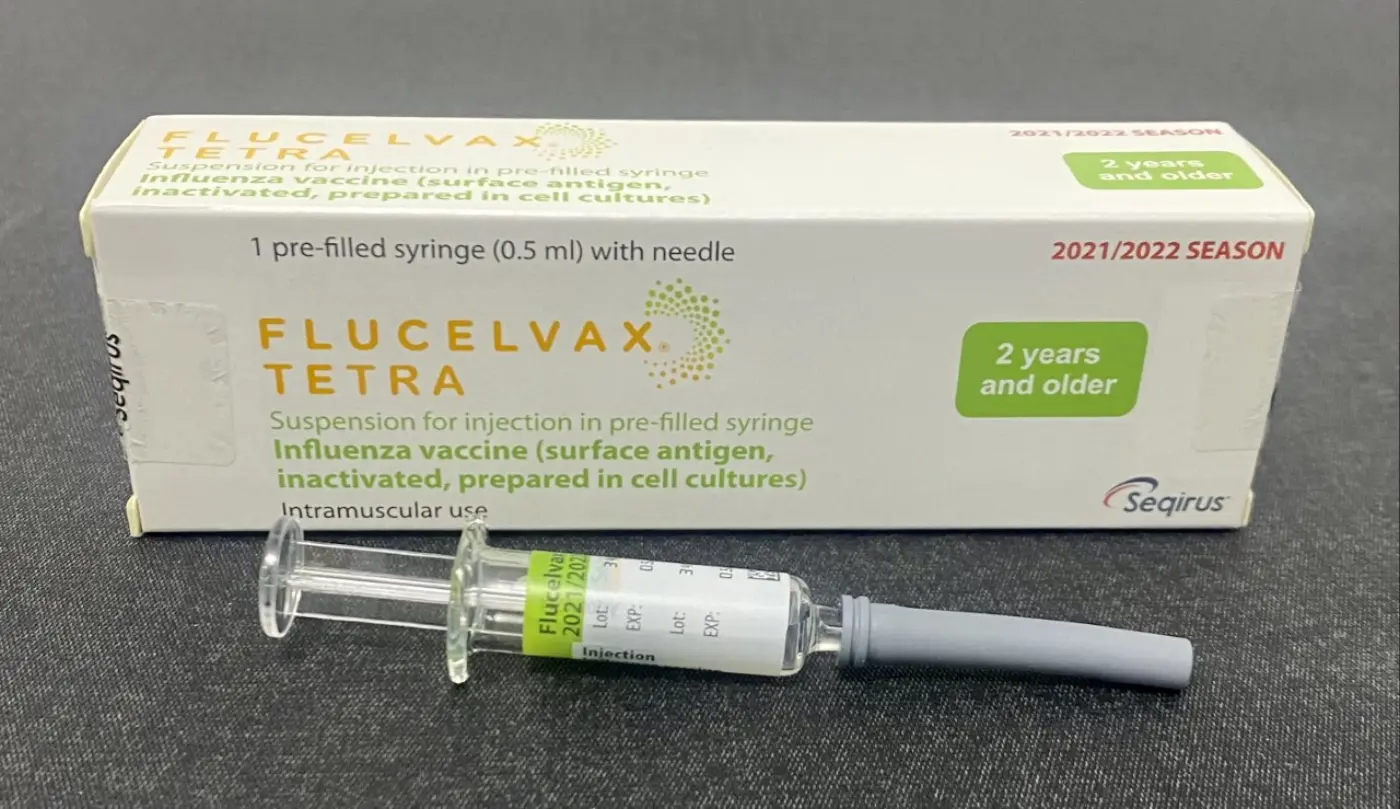
On November 6, the KDCA said influenza was increasing again. It urged children and older adults to get vaccinated soon and anyone with suspected symptoms to seek prompt medical care. Figures on the KDCA website show the influenza-like illness (ILI) rate rising from 19.2 per 1,000 outpatients in week 43 to 22.8 in week 44. Kyungbuk Maeil defines an ILI patient as someone with a fever of 38 degrees or higher plus a cough or sore throat. The same outlet reports that the rate fell from 23.6 in week 40 to 21.6 in week 41 and 17.7 in week 42. It then rebounded in week 43 (October 18–24). Put simply, the warning came after a falling rate had climbed again for two straight weeks.
These numbers should be read alongside September's early outbreak. On September 11, the KDCA issued an influenza epidemic advisory for the 2026–2027 season, citing an earlier-than-usual outbreak. Newspim reports that the advisory took effect at midnight that day. According to Newspim, the ILI rate in week 36 (August 30 to September 5) was 25.3 per 1,000 outpatients, above the season's epidemic threshold of 12.9. An epidemic advisory is issued after expert consultation when two conditions are met: the ILI rate exceeds that season's threshold, and the virus detection rate is 5% or higher. The week 44 figure of 22.8 is also above the threshold, so the latest rise can be read as an early outbreak that eased and then picked up again.
7. Impact and what to know: vaccination rates of 68% for those 65 and older and 53.7% for those 14 and under as of October 30
According to Kyungbuk Maeil, children aged 7 to 12 had the highest rate in week 43, at 49.0 per 1,000 outpatients, and the rate for children aged 1 to 6 was also high, at 31.7. On November 2, the KDCA said cases were concentrated among school-age children and children in childcare facilities. It also said the outbreak could drag on through this autumn and winter into next spring. As of October 30, vaccination rates were 68% for those 65 and older and 53.7% for those 14 and under. Children's high illness rates and the lower vaccine uptake among those 14 and under than among those 65 and older are useful context for reading the November 6 warning, which mentioned both children and older adults.
The agency's official position can be traced through its follow-up announcements. On September 16, the KDCA said it would bring forward national vaccinations for children and older adults in response to the early outbreak. Kyungbuk Maeil reports that on November 2 the agency recommended that people 65 and older get their flu and COVID-19 vaccines at the same time where possible. According to Newspim, while the epidemic advisory is in effect, 'insurance benefits are recognized even without testing' when antivirals (two types) are prescribed to high-risk groups, such as children, pregnant women, adults 65 and older and people with chronic conditions, or at a doctor's discretion. Taken in order, the September 11, September 16, November 2 and November 6 announcements show that KDCA guidance does not stop at a single alert but continues throughout the season.
The place to check is the KDCA website. As of November, it carries a notice about the intensive vaccination period for children for the 2026–27 season. The ILI definition described above is the standard used to count patients in the statistics. Knowing it tells you what the weekly rate actually measures. This article summarizes official announcements, so check your own eligibility and schedule directly in the KDCA's guidance.
| Story | Date | What happened | Official source |
|---|---|---|---|
| Samsung Lions win the Korean Series | November 3–8, 2026 (Game 5 on November 8) | Second-place Samsung beat first-place KT 4–1 for its first title in 12 years and ninth overall | Game records (Money Today report, Wikipedia season article) |
| Cold wave advisory and Seoul's first snow | Cold wave advisory on November 6; first snow on November 8 | Cold wave advisory for parts of Gyeonggi, Gangwon, Chungcheong and South Gyeongsang; Seoul's first snow observed 12 days earlier than normal | Korea Meteorological Administration (Seoul Weather Observatory) |
| Influenza rises again | Warning issued November 6 | ILI rate up from 19.2 in week 43 to 22.8 in week 44; children and older adults urged to get vaccinated | Korea Disease Control and Prevention Agency |
8. Wrap-up
First, the Korean Series showed once again that regular-season standings and short-series results are different records. Second-place Samsung (.589) beat first-place KT (.647) 4–1. Money Today called it the first upset since SK in 2018, eight years earlier. Game 5 on November 8 sealed three milestones: the first title in 12 years, the club's ninth overall and manager Park Jin-man's first as a skipper. To get the season's record right, read the regular-season standings and the postseason results separately.
Second, how early the first snow seems depends on the date you compare it with. It came 26 days earlier than last year and 12 days earlier than normal, the 1991–2020 average. Yet the first ice, recorded a day earlier, was actually 4 days later than normal. Seoul's first snow is confirmed by an observer at the Seoul Weather Observatory with the naked eye. So the season as people feel it should be kept apart from the official record. Dated KMA notices, such as the cold wave advisory's start time or the black ice warning, let you track the change of season in numbers.
Third, influenza figures make more sense as a trend than as a single week's number. The rate hit 25.3 in week 36 in September, above the 12.9 threshold. It fell from 23.6 in week 40 to 17.7 in week 42, then rose again to 22.8 in week 44. The KDCA urged children and older adults to get vaccinated soon and anyone with suspected symptoms to seek prompt care. It also recommended that people 65 and older get flu and COVID-19 shots together. For specific vaccination schedules, see the guidance on the KDCA website.
Related reading: Weekly Hot Issues (Oct 26–Nov 1): Record Chip Earnings, Samsung Lions Reach Korean Series, Flu Rises Again · Lockouts and strikes: who carries out each, and how do they differ?