Short Answer: A 500-Year Examination System Built on Double-Blind Grading, Weeks-Long Mountain Journeys, and Extraordinary Human Drama
First introduced to Korea under King Gwangjong of Goryeo in 958 and maintained throughout the Joseon Dynasty from 1392 until the Gabo Reform of 1894, the Gwageo (state civil, military, and technical service examinations) served for five centuries as the primary gateway to government office. Codified in the Gyeongguk Daejeon (Grand Code for State Administration), regular triennial examinations (Singnyeonsi) tested candidates across the Literary Licentiate Exam (Sogwa), Higher Civil Service Exam (Mungwa), Military Service Exam (Mugwa), and Technical Exams (Japgwa), enforcing fairness through double-blind protocols: sealing each candidate's name (Bongmi) and having clerks re-transcribe every answer sheet in vermilion ink (Yeokseo) so examiners could never recognize a candidate's handwriting.
For provincial scholars who passed the local preliminary stage (Hyangsi), traveling to the capital Hanyang for the second stage (Boksi) meant walking hundreds of kilometers over several weeks. Along the way, scholars from Gyeongsang Province famously avoided Chupungnyeong Pass—fearing they would "fall like autumn leaves" (chupung-nagyeop)—and Jungnyeong Pass—fearing they would "slip as on smooth bamboo"—to climb the steep 642-meter Mungyeong Saejae pass, whose name literally means "hearing joyous news." Across five centuries, the exam halls produced prodigies like Yulgok Yi I, who placed first in nine separate examinations, as well as the late-Joseon exam-ground chaos (nanjang) that gave modern Korean its everyday word for pandemonium, nanjangpan.
1. Why the Joseon Gwageo Was Special: Legal Openness to Commoners and the Bongmi–Yeokseo Double-Blind System
According to the Encyclopedia of Korean Culture (Academy of Korean Studies) and the National Institute of Korean History, the Joseon examination system stood out in premodern bureaucratic history for two reasons: its broad statutory eligibility and its multi-track structure. Under the Gyeongguk Daejeon, commoners of good standing (yangin) who were free of specific legal disqualifications (such as treason, corruption, or certain lineage restrictions on concubines' sons that were later eased) were legally permitted to sit for state exams. Rather than testing literary classics alone, the state administered four parallel tracks: Sogwa (selecting 100 Classics Licentiates and 100 Literary Licentiates), Mungwa (the higher civil exam selecting 33 officials), Mugwa (military exams testing archery, mounted spear, and strategy), and Japgwa (technical exams for translators, physicians, astronomers, and jurists).
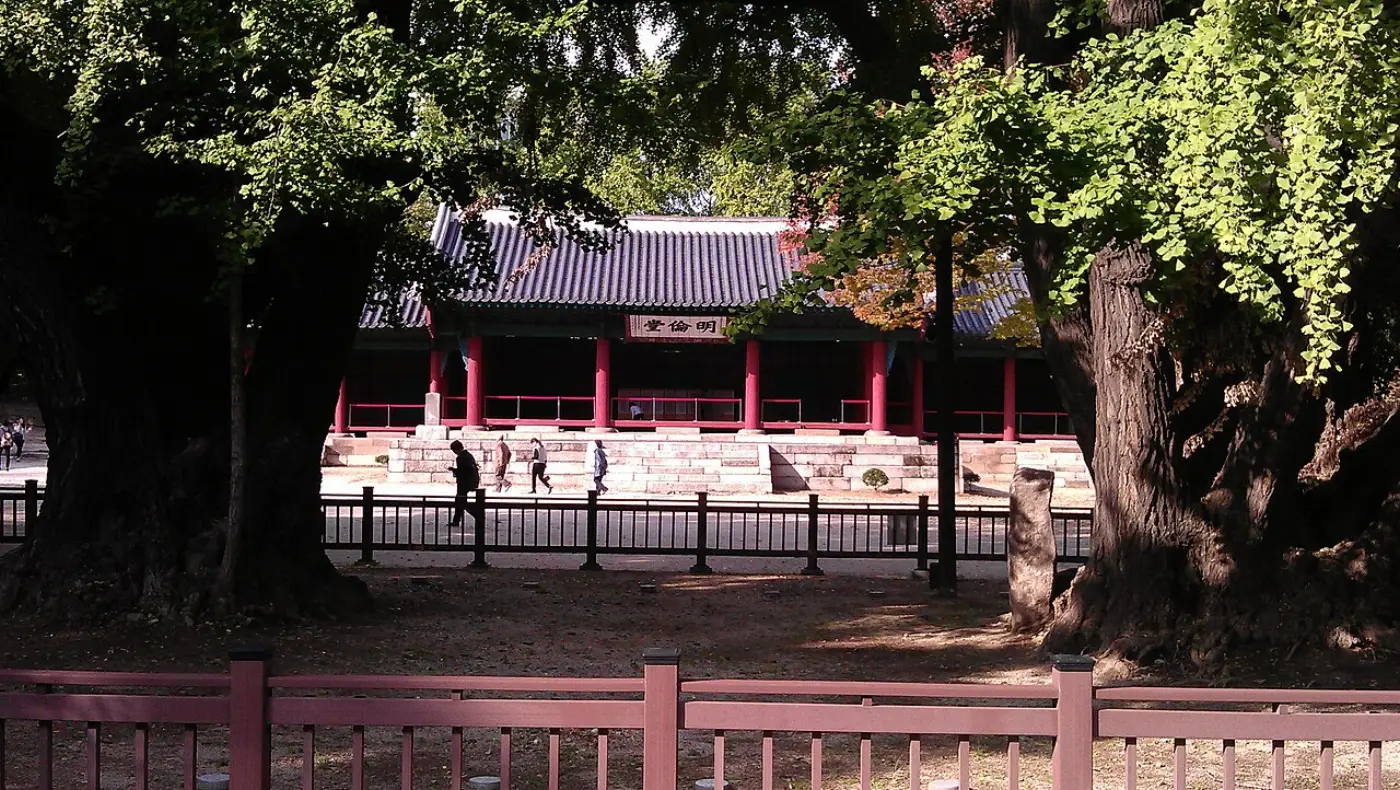
The regular triennial exam (Singnyeonsi, held in Rat, Horse, Rabbit, and Rooster years) unfolded in three rigorous stages. First came the Chosi (preliminary exam), held in Hanyang and each province according to regional quotas. Successful candidates traveled to Hanyang the following spring for the Boksi (second-stage exam), which narrowed the higher civil exam pool to 33 finalists. Finally, in the Jeonsi (palace exam), the king personally presided at Gyeongbokgung, Changdeokgung, or Bicheondang Hall at Sungkyunkwan to rank the 33 passers into Gapgwa (top 3, led by the first-place Jangwon), Eulgwa (7), and Byeonggwa (23).
Most remarkable of all was the double-blind grading mechanism designed to prevent nepotism and favoritism. Each candidate wrote his name, birth year, clan seat, and four ancestral generations (father, grandfather, great-grandfather, and maternal grandfather) on the right margin of the large examination scroll (Sigwon), folded that strip over, glued it shut, and had it stamped with an official seal—a procedure called Bongmi (sealing the end). Next, to prevent examiners from recognizing the handwriting of relatives or disciples, officials stamped a matching code character (from the Thousand Character Classic) across the seam, cut off the sealed identity strip for separate safekeeping (Halbong), and ordered clerks to copy the entire essay onto a fresh sheet using red cinnabar ink (Jusa). Only this vermilion transcript—produced through Yeokseo ("changing the handwriting") and verified by collation officers—was handed to the examiners. Identities were reunited with the graded scrolls only after rankings were finalized, functioning much like a modern barcode-anonymized exam.

2. Scholars on the Road to Hanyang: Why Yeongnam Candidates Avoided Chupungnyeong and Crossed Mungyeong Saejae
For provincial scholars traveling to Hanyang for the Boksi or special royal exams, the journey to the examination hall was a grueling expedition lasting two to four weeks on foot. Wearing a traditional horsehair hat (Gat) and carrying a shoulder bundle packed with rolls of handmade Hanji paper, brushes, inkstones, spare straw sandals, parched grain powder (Misutgaru), and copper coins, scholars walked roughly 30 kilometers (70 to 80 ri) a day toward the Four Great Gates of Hanyang.
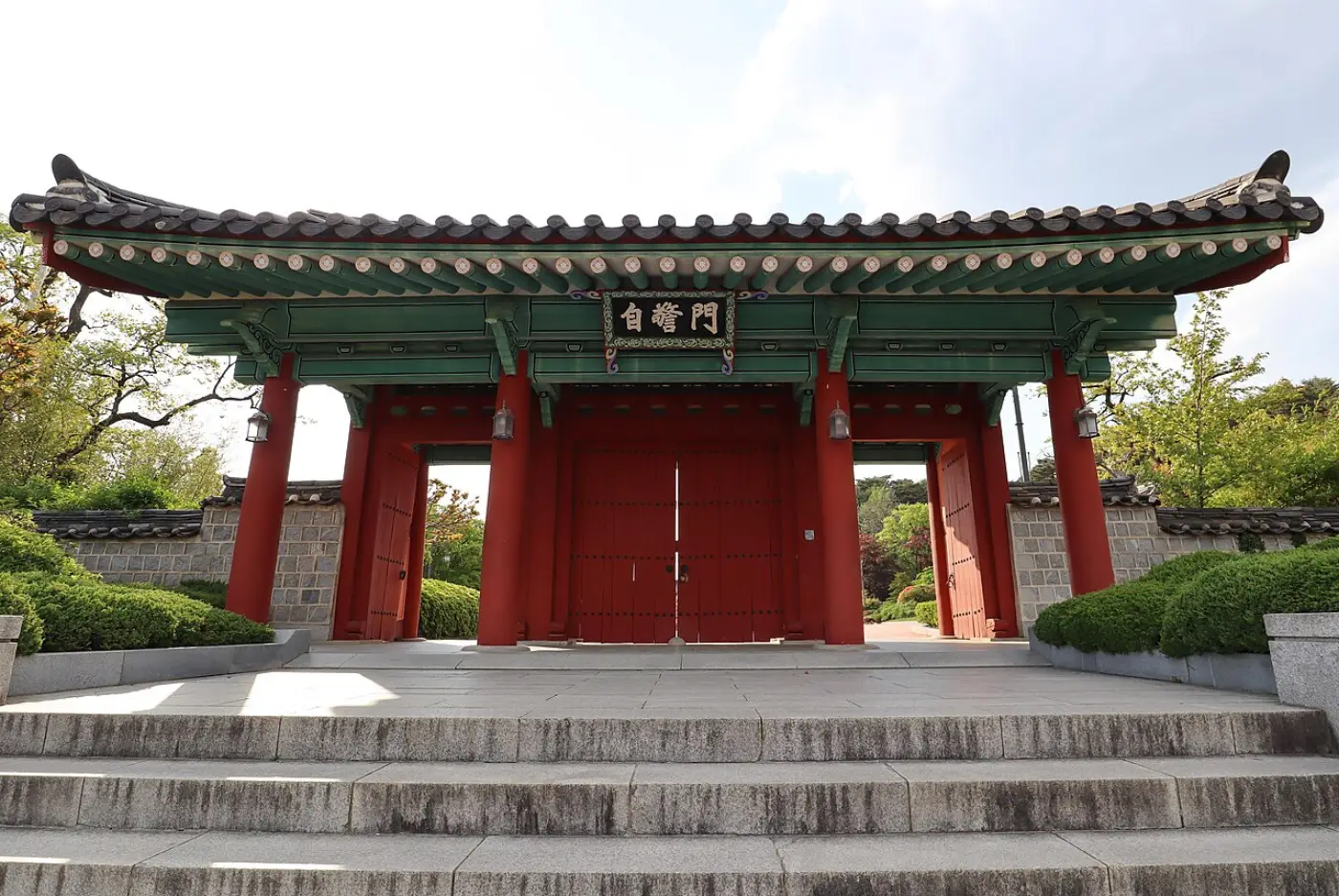
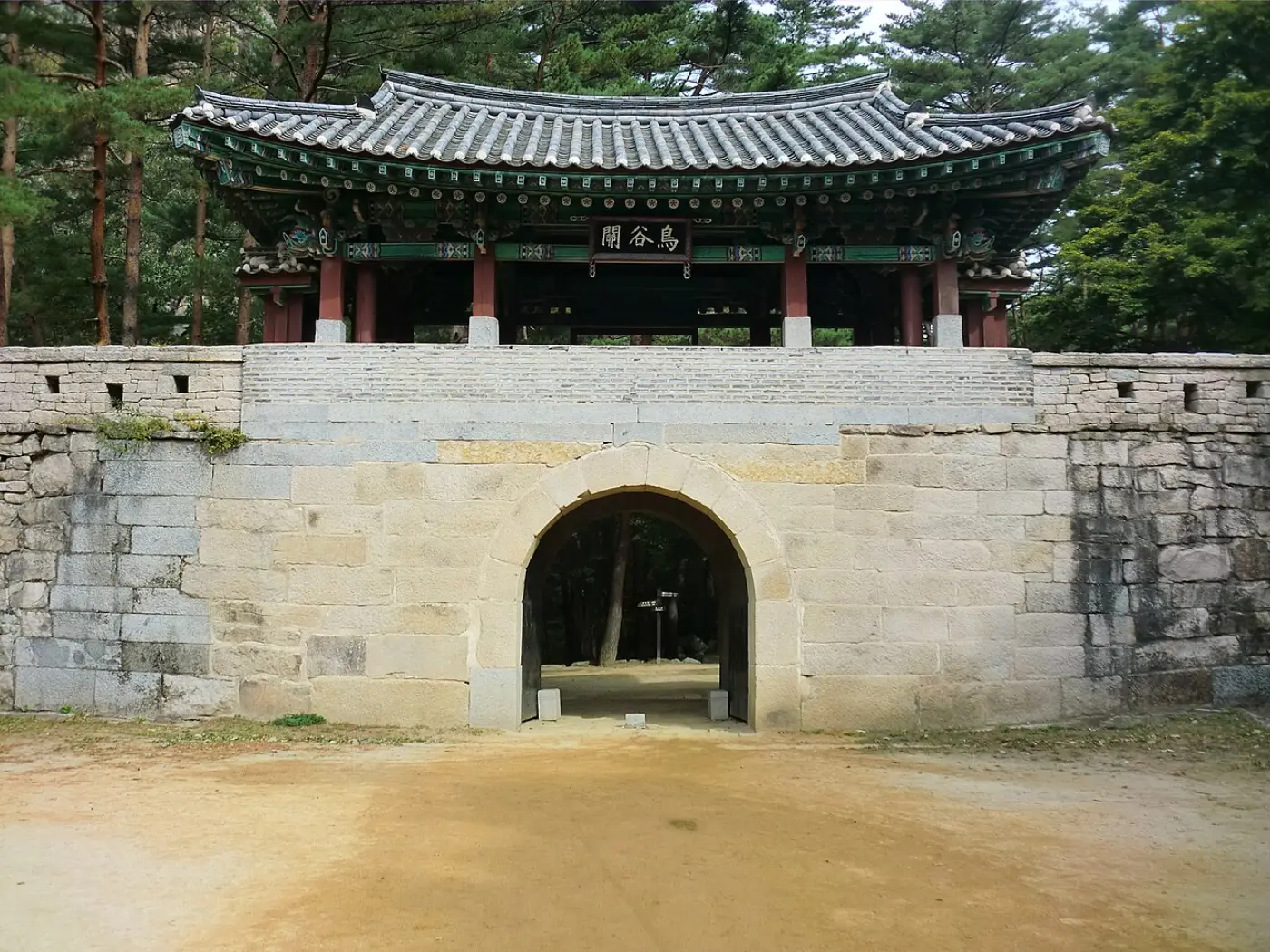
The most famous cultural episode along this route centered on how scholars from Yeongnam (Gyeongsang Province) crossed the Sobaek Mountain Range. Three major passes connected Gyeongsang to Chungcheong Province and the capital: Jungnyeong in the east, Chupungnyeong in the west, and Joryeong (Mungyeong Saejae) in the center. Even when Chupungnyeong or Jungnyeong offered a gentler detour, exam-bound scholars overwhelmingly chose the steep, rocky trail over 642-meter Mungyeong Saejae. They shunned Chupungnyeong ("Autumn Wind Pass") out of fear that they would drop from the exam roster like autumn leaves in the wind (chupung-nagyeop), and they avoided Jungnyeong ("Bamboo Pass") lest they slip and fail as if treading on slick bamboo stalks. By contrast, Mungyeong (聞慶) literally meant "hearing auspicious news," turning its three stone gates—Juheulgwan, Jogokgwan, and Joryeonggwan—into a pilgrimage road for hopeful examinees.
Along the highway, roadside taverns (Jumak) and state-run inns (Won) overflowed during exam seasons. Scholars from the same county often formed travel associations (Donghaenggye) to pool expenses and guard against bandits and tigers on mountain trails. Impoverished scholars who ran short of coins sometimes left promissory notes with tavern keepers, pledging to repay double upon returning home in glory after passing the exam. Moreover, experienced candidates aimed to arrive in Hanyang at least two to four weeks before exam day: lodging in Banchon (the neighborhood bordering Sungkyunkwan) or with capital relatives, they gave their bodies time to recover from foot blisters and acclimate to Hanyang's water while studying anthologies of model exam essays (Chojip).
3. Extraordinary Figures and Incidents: Yulgok Yi I's Nine First-Place Finishes and the Birth of the Word "Nanjangpan"
No figure in the 500-year history of the Joseon examination system matched the record of the Confucian scholar-statesman Yulgok Yi I (1536–1584). According to the Gangneung Ojukheon Municipal Museum and the Encyclopedia of Korean Culture, Yi I passed the preliminary Literary Licentiate exam in 1548 at age 13 (12 by international count) and went on to take first place (Jangwon) in nine consecutive state examinations, earning the honorific title Gudojangwongong ("Lord of Nine First-Place Finishes"). His 1558 special-exam essay Cheondochaek ("Treatise on the Way of Heaven"), written at age 23 on cosmic principle and royal governance, astonished examiners and was even circulated among Ming Chinese envoys. In the 1564 regular civil examination, he achieved a rare "Triple First" (Samjang Jangwon), placing first in the preliminary, second, and palace stages in succession.
The exam system also recorded dramatic extremes of youth and old age. In the late Joseon period, the writer Yi Geon-chang (1852–1898) passed the higher civil service examination in 1866 at just 15 years of Korean age (14 internationally), whereas other scholars spent their entire lives taking the exams well into their eighties. Multiple entries in the Annals of the Joseon Dynasty record monarchs granting special honorary ranks or crimson Hongpae certificates to octogenarian examinees to honor their lifelong devotion to learning. Surviving early artifacts such as the 1435 Hongpae of Yi Im (issued in the 17th year of King Sejong for passing the military exam) illustrate how families treasured a crimson passing diploma across generations.
In late Joseon, however, surging candidate numbers and frequent one-day special exams (Byeolsi, Alseongsi, and Chundangdaesi) transformed the exam grounds into scenes of pandemonium—giving birth to the modern Korean word nanjangpan (난장판, chaotic mess). When tens of thousands of candidates, servants, and spectators crowded into Sungkyunkwan or Chundangdae courtyard, professional seat-grabbers called Seonjeopkkun rushed in the night before to stake out prime spots near the examiners' pavilion, planting giant oiled-paper parasols and brawling over turf. Underground proxy rings also emerged, pairing a master essayist (Geobyeok, "great thumb") who composed the text with a master calligrapher (Sasu) who brushed it onto the scroll. Contemporary sources called an exam ground descending into such disorder a nanjang (亂場, "chaotic exam ground"), from which nanjangpan entered everyday speech. By 1800, single exam sessions routinely drew over 10,000 scrolls in two days, exposing structural strains that ultimately led to the abolition of the Gwageo in the Gabo Reform of 1894.

| Category | Sogwa (Classics & Literary Licentiate) | Mungwa (Higher Civil Service Exam) | Mugwa (Military Service Exam) | Japgwa (Technical Service Exam) |
|---|---|---|---|---|
| Purpose & Triennial Quota | Qualification for Sungkyunkwan admission and lower posts (100 Saengwon + 100 Jinsa per Singnyeonsi) | Premier gateway to high civil office (33 finalists per Singnyeonsi) | Selection of military commanders and officers (28 per Singnyeonsi; expanded into thousands in wartime) | Selection of specialist officials in translation, medicine, astronomy/divination, and law |
| Stages & Diploma | 2 stages: Chosi → Boksi / White certificate (Baekpae) | 3 stages: Chosi → Boksi → Royal Jeonsi / Crimson certificate (Hongpae) & Eosahwa paper flowers | 3 stages: Chosi → Boksi → Jeonsi (archery, equestrian arts, military classics) / Crimson certificate (Hongpae) | 2 stages: Chosi → Boksi administered by relevant ministries / White certificate (Baekpae) |
| Fairness Rules & Notable Episodes | Bongmi (name sealing) & Yeokseo (red-ink transcription); Yeongnam scholars crossing Mungyeong Saejae | Yulgok Yi I's 9 first-place finishes (Gudojangwongong); late-Joseon exam chaos originating the term "nanjangpan" | 1435 Hongpae of Yi Im preserved as a national treasure; mass military exams during the 1592 Imjin War | Core professional channel for the hereditary Jungin technical middle class |
Conclusion: Five Centuries Where Institutional Ideals Met Human Ambition
The Joseon Gwageo was far more than a test of classical memorization: it was an institutional architecture that sought to replace aristocratic birthright with tested merit, guarded by name-sealing (Bongmi) and red-ink transcription (Yeokseo). At the same time, the worn stone paths of Mungyeong Saejae remind us how deeply ordinary scholars and their families staked their hopes on a single crimson sheet of paper.
From Yulgok Yi I's nine first-place essays to octogenarian examinees and the umbrella-filled pandemonium of late-Joseon exam yards, the five-century story of the Gwageo captures both the highest ideals and the fiercest pressures of premodern Korean society. Visiting Bicheondang Hall at Sungkyunkwan or walking the three gates of Mungyeong Saejae today offers a direct window into that world.