The short answer: the house where a king grew up became a 'palace'
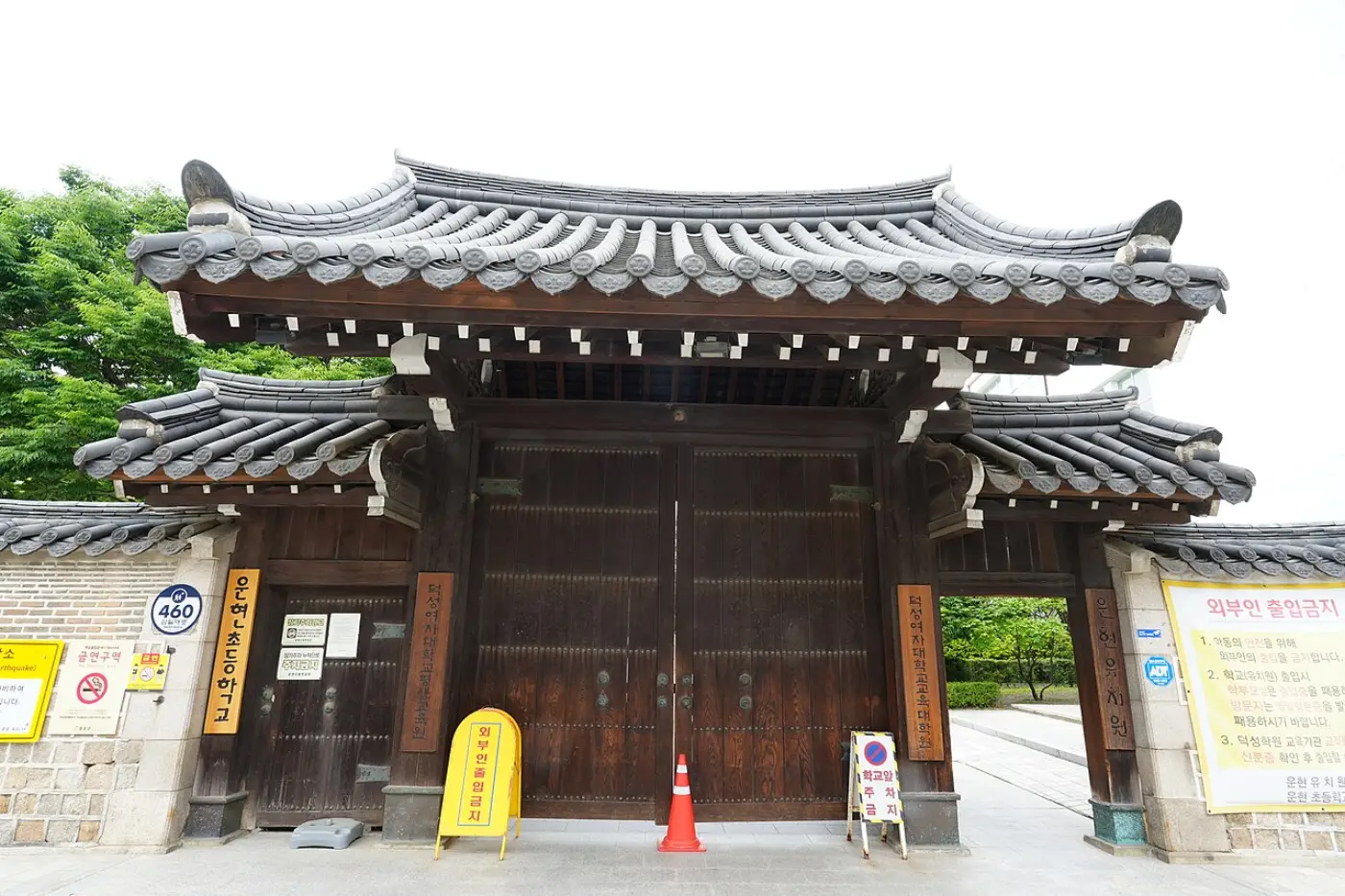
Unhyeongung is not a royal palace like Gyeongbokgung. It is a private house that took the name 'gung' (palace) when it became the king's main residence after Gojong's accession. The Encyclopedia of Korean Culture describes it as Gojong's jamjeo (潛邸), the home of a king before he took the throne, and as the private residence (私邸) of Heungseon Daewongun. Gojong spent his childhood there. This article is part 6 of a seven-part series.
The Korea Tourism Organization presents Unhyeongung as a palace where relatives of the royal family lived. Even so, it was no ordinary private house. The English edition of the Kyunghyang Shinmun says it was built on a scale rarely seen in yangban (aristocratic) homes. The same article says the way Noandang leads into Norakdang shows a formality comparable to a palace. Unhyeongung can be seen as a place that combined the name of a palace with the character of a private home.
From the 1863 royal decree to the 1991 purchase by Seoul: a history of Unhyeongung
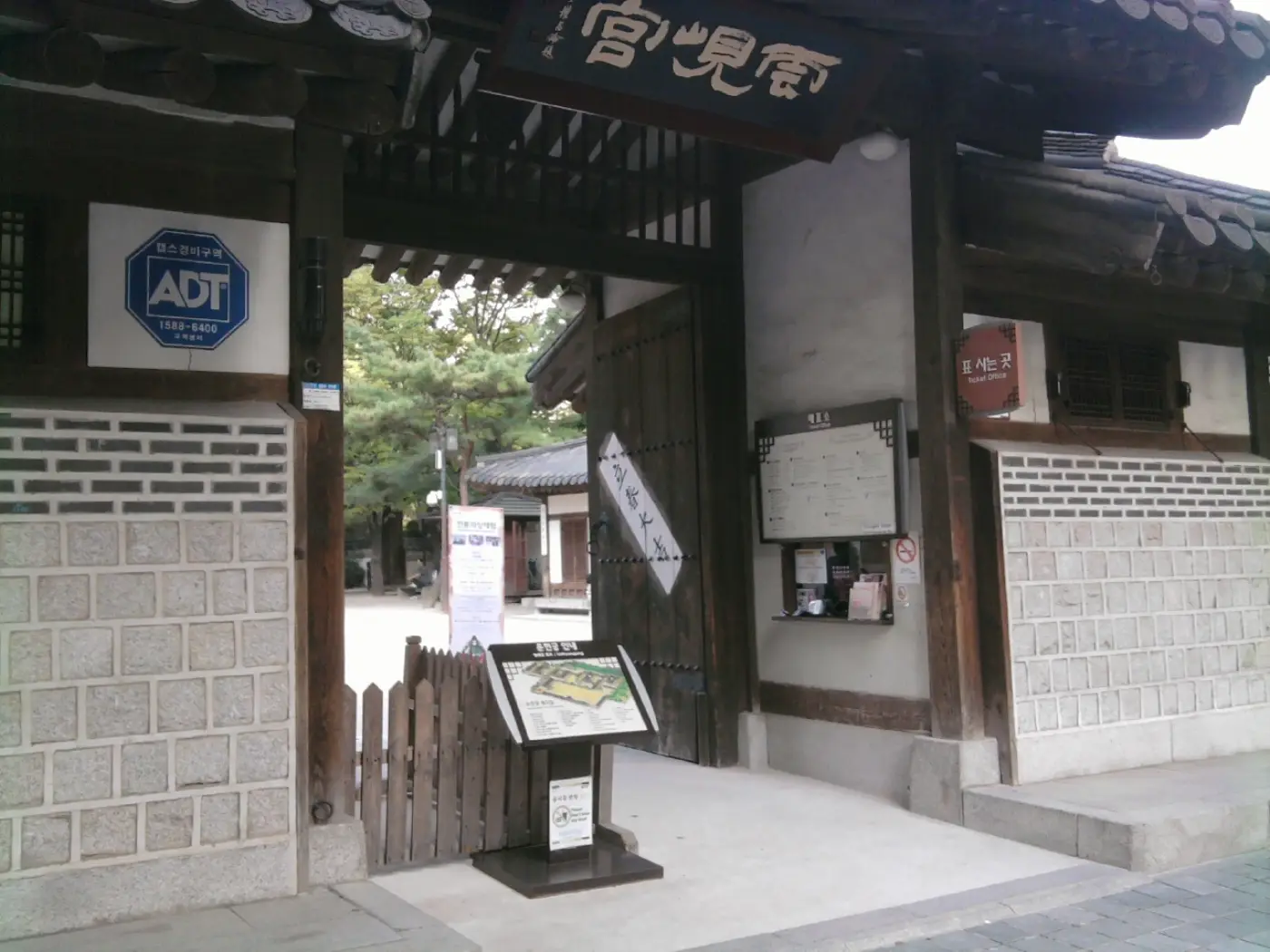
Unhyeongung stands in the Unni-dong area of Jongno-gu. The site once held the Gwansanggam (觀象監), the government office responsible for astronomical observation. In the Annals of King Gojong, the entry for the twelfth month of his accession year shows the Grand Queen Dowager naming Prince Heungseon's second son as King Cheoljong's heir. According to the Seoul Metropolitan Government, the decree elevating Prince Heungseon to Heungseon Daewongun was issued on December 9, 1863. The Encyclopedia of Korean Culture states that his private residence has been called Unhyeongung ever since.
In the Annals of King Gojong, the entry for the first month of Gojong's first year records the Ministry of Taxation reporting that it would release funds to repair the Daewongun's residence. Both Annals entries appear on the Annals of the Joseon Dynasty website run by the National Institute of Korean History. Hwang Hyeon's (黃玹) Maecheon yarok (梅泉野錄) says the walls of the expanded Unhyeongung stretched for several ri (數里). Heungseon Daewongun served as regent until 1873, when Gojong declared his intention to rule in person. Unhyeongung was designated a Historic Site in 1977. In 1991, the descendants said they were willing to transfer it, and the Seoul Metropolitan Government bought the property.
This history shows that the name Unhyeongung came with the royal decree that granted the title. It can be read as a sign that the house's name changed along with its owner's status. Ownership passed from the descendants to the Seoul Metropolitan Government only in 1991. That, too, marks it as a private house rather than a royal palace.
The 1864 entries in the Seungjeongwon ilgi: naming the gates on the royal path and celebrating completion
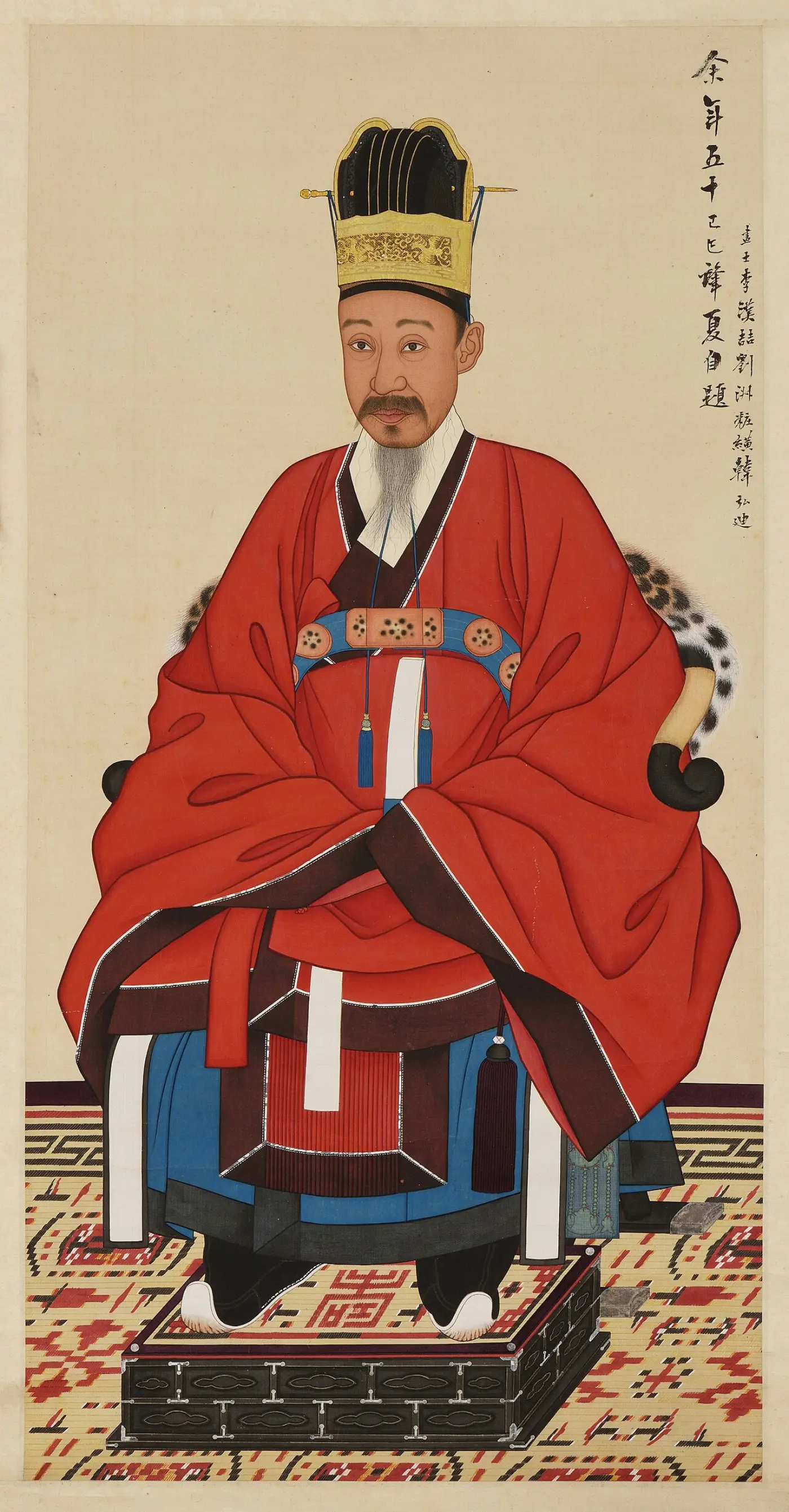
The Seungjeongwon ilgi (Diaries of the Royal Secretariat) entry for the first day of the ninth month of Gojong's first year (1864) contains a royal order from Gojong. The Encyclopedia of Korean Culture renders the passage as follows: “Instruct the Ministry of Taxation to write and hang name plaques on the newly built royal path (御路) of Unhyeongung: Gyeonggeunmun for the outer gate and Gonggeunmun for the inner gate.”
Under this order, the outer gate on Unhyeongung's royal path became Gyeonggeunmun and the inner gate became Gonggeunmun. The Seungjeongwon ilgi entry for the 24th day of the same month also deals with the completion of Unhyeongung. According to the Seoul Metropolitan Government's Media Hub, local scholars and boys sat a special state examination to mark the occasion. Some 50 scholars and 497 boys were selected and awarded prizes.
The two entries show royal orders reaching as far as the gate names and completion ceremony of a private house. The Ministry of Taxation handled the work, which suggests that Unhyeongung was treated differently from an ordinary home. Here the name 'palace' clearly meant more than a form of address.
The 1866 royal wedding and the 1869 Irodang: a private house becomes a detached palace
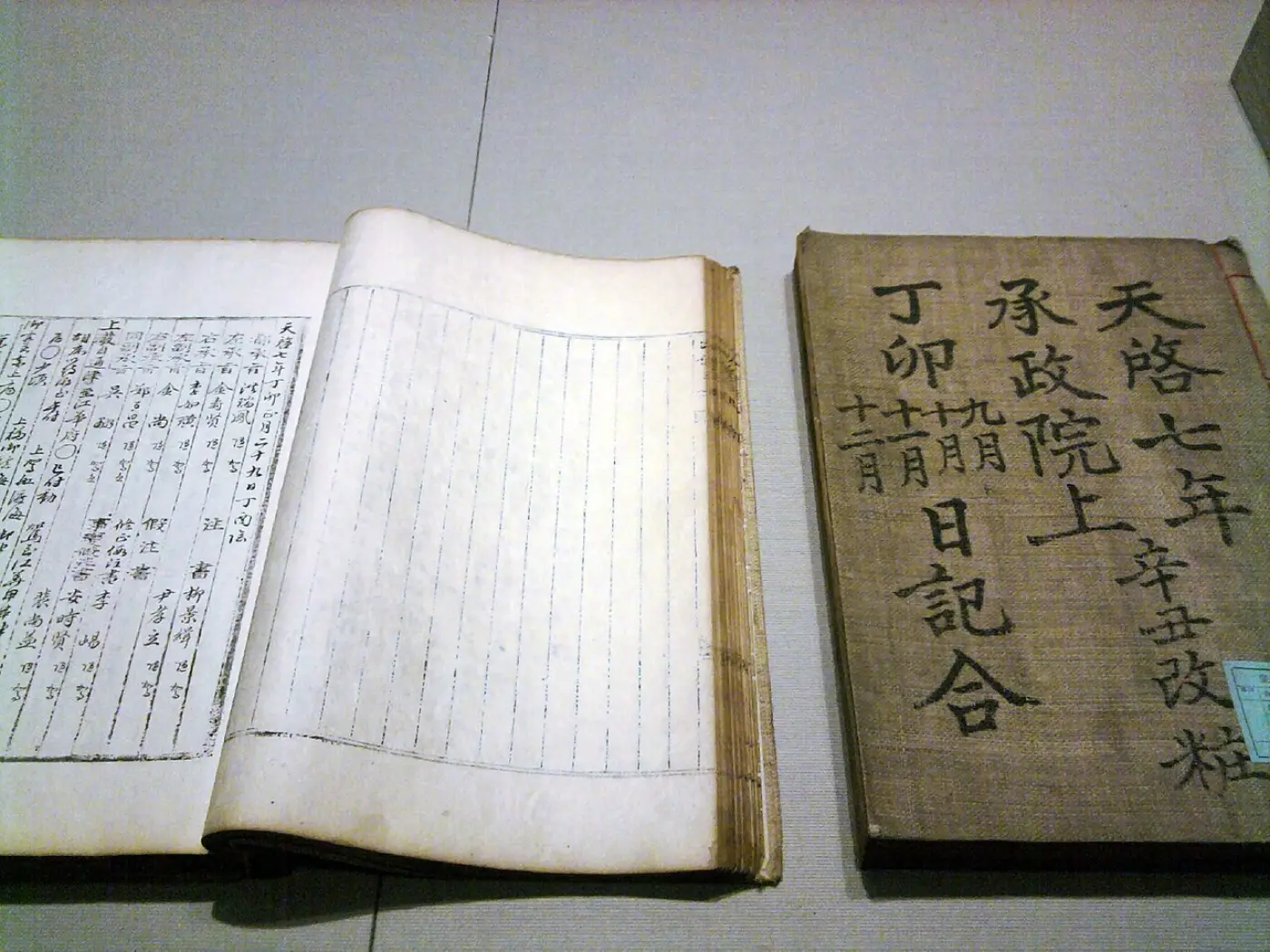
In 1866, the court decided that Gojong would marry. Queen Dowager Jo (Queen Sinjeong) designated Unhyeongung as a detached palace (別宮). Until then, Eouigung (於義宮) had served in that role. Five candidates passed the first round of selection and went on to the second. That round was held at Junghuidang on the 29th day of the second month, and Min Chi-rok's daughter was chosen. The royal wedding took place at Unhyeongung on March 21, 1866, the third year of Gojong's reign.
The Seoul Metropolitan Government's Media Hub notes that the wedding can be seen in an 82-page painted banchado (班次圖), a procession record of the groom's reception of the bride. The wedding also changed how the buildings at Unhyeongung were used. According to the National Institute of Korean History, Norakdang was originally the women's quarters. After the wedding was held there, it reportedly could no longer serve that purpose. Irodang was therefore built in 1869 (the sixth year of Gojong's reign) as the new women's quarters.
The designation can be read as choosing the king's family home over Eouigung, the detached palace used until then. Moving the women's quarters shows that a single royal ceremony could reshape how the house's spaces were divided. At Unhyeongung, the line between private house and palace was arguably not fixed.
Noandang, Norakdang, Irodang and Yanggwan: what to see at Unhyeongung today
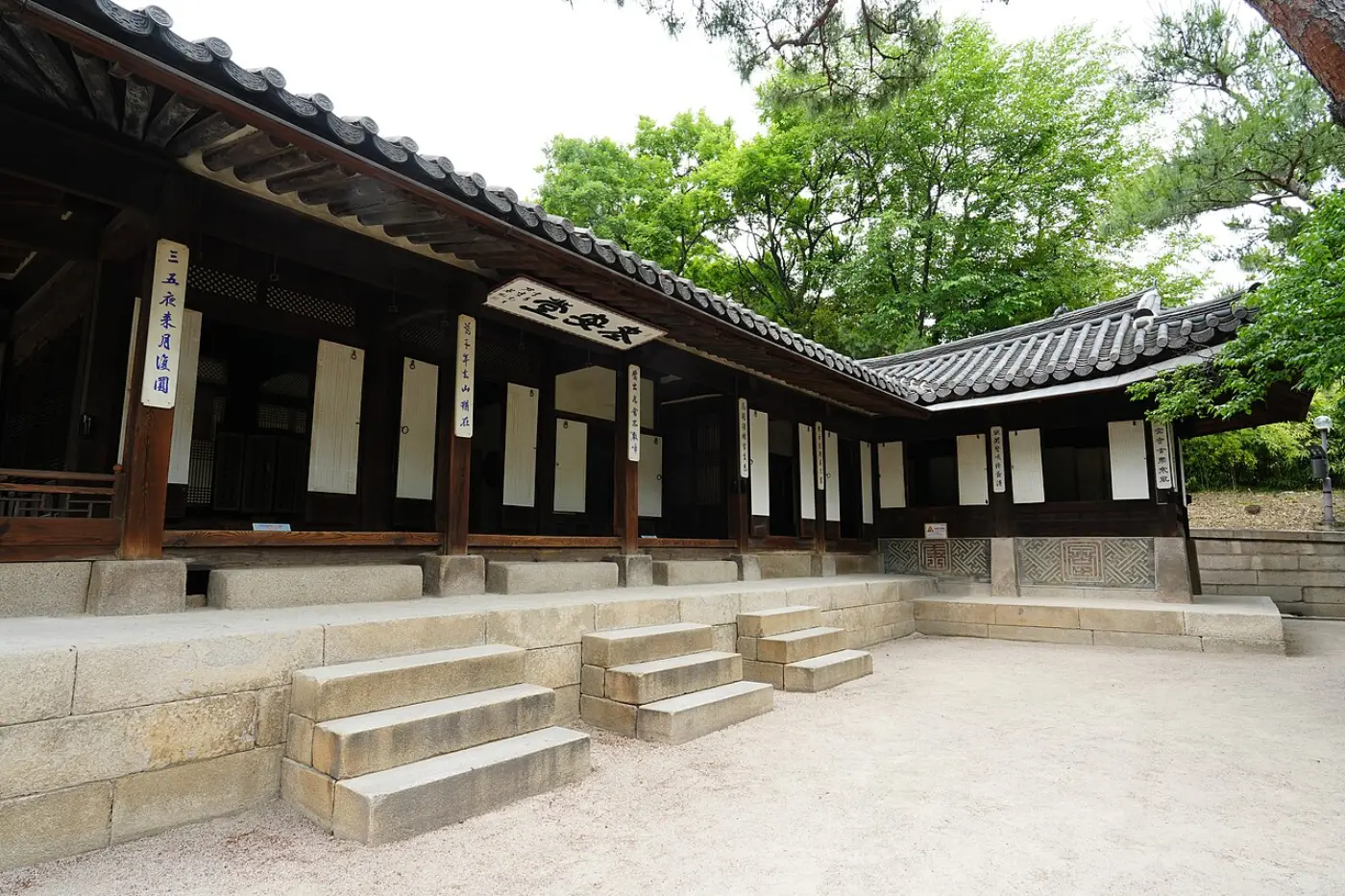
The Korea Tourism Organization names Noandang and Norakdang, completed in the ninth month of 1864, as the main buildings. It describes Irodang as an addition built six years later. The National Institute of Korean History material cited above dates Irodang to 1869. The two sources date Irodang in different ways. When compiling the site's history, it is probably better to state which institution each date comes from.
To the right of the main gate stands Sujiksa, which housed the people who guarded and maintained Unhyeongung. Noandang was the sarangchae, the men's quarters where Heungseon Daewongun lived. He died in one of its rooms. The Seoul Museum of History describes Irodang as the place where he spent his last years after losing power. Of the four main gates that once stood, only one survives.
Yanggwan, a Western-style building, was built around 1912 by the Japanese to win over members of the imperial family. The Japanese architect Katayama Tokuma designed it. Yanggwan stands on Duksung Women's University's Jongno Campus, so visitors can mostly see only its exterior. The Seoul Museum of History holds more than 8,000 artifacts related to Unhyeongung and Heungseon Daewongun. Its materials describe the Tongjo suji as an account book of Unhyeongung's finances. The division into men's quarters, women's quarters and guard quarters lets us read Unhyeongung's layout as that of a private home.
| Year | Event | Source |
|---|---|---|
| December 9, 1863 | Royal decree grants titles to Heungseon Daewongun and his wife (Budaebuin); the residence starts to be called Unhyeongung | Academy of Korean Studies, Encyclopedia of Korean Culture; Seoul Metropolitan Government |
| Ninth month of 1864 | Noandang and Norakdang completed; on the 1st, a royal order names the outer and inner gates of the royal path | Korea Tourism Organization; Academy of Korean Studies, Encyclopedia of Korean Culture |
| March 21, 1866 | Gojong's royal wedding held at Unhyeongung | Seoul Metropolitan Government Media Hub |
| 1869 | Irodang built as the new women's quarters | National Institute of Korean History |
| 1977 | Designated a Historic Site | Academy of Korean Studies, Encyclopedia of Korean Culture |
| 1991 | Purchased by the Seoul Metropolitan Government after the descendants agreed to transfer it | Academy of Korean Studies, Encyclopedia of Korean Culture; National Institute of Korean History |
Summing up
The records of Unhyeongung combine royal administration with the life of a single household. The plaques on the gates of the royal path, the examination celebrating its completion and its designation as a detached palace belong to the royal record. Heungseon Daewongun's death in the men's quarters and his last years at Irodang belong to the life of the house's owner. Reading these two strands separately shows more accurately how much the name 'palace' carries.
Some questions remain. Why the Korea Tourism Organization and the National Institute of Korean History date Irodang differently is a matter for closer study of each source's original text. The claim that the layout of Noandang and Norakdang shows a palace-like formality is also worth checking on site. Records such as the 82-page procession painting and the Tongjo suji offer another way to read Unhyeongung beyond its buildings.