The short answer: the real Hong Gil-dong was caught as a "robber"
The real Hong Gil-dong in the Annals of the Joseon Dynasty was caught on a charge of robbery. The title appears in the Yeonsangun Annals entry list for the 22nd day of the 10th month of the 6th year of Yeonsan (1500): "Robber Hong Gil-dong has been caught, so the rest of his band is to be rooted out as well." The title calls Hong Gil-dong a "robber," and it also mentions "the rest of his band."
The page this article draws on does not contain the text of that entry, so this article goes no further than the charge named in the title. This historical figure is a long way from the hero of Heo Gyun's novel The Tale of Hong Gil-dong. The novel sets its hero's life in the reign of King Sejong, not Yeonsangun. Doubts have also been raised about whether Heo Gyun wrote the novel at all.
Despite the shared name, the "robber" of the Annals and the hero of the novel can be seen as different kinds of record. The first is the title of a dated Annals entry. Keeping the two apart lets us break the question "Was Hong Gil-dong a real person?" into more precise parts.
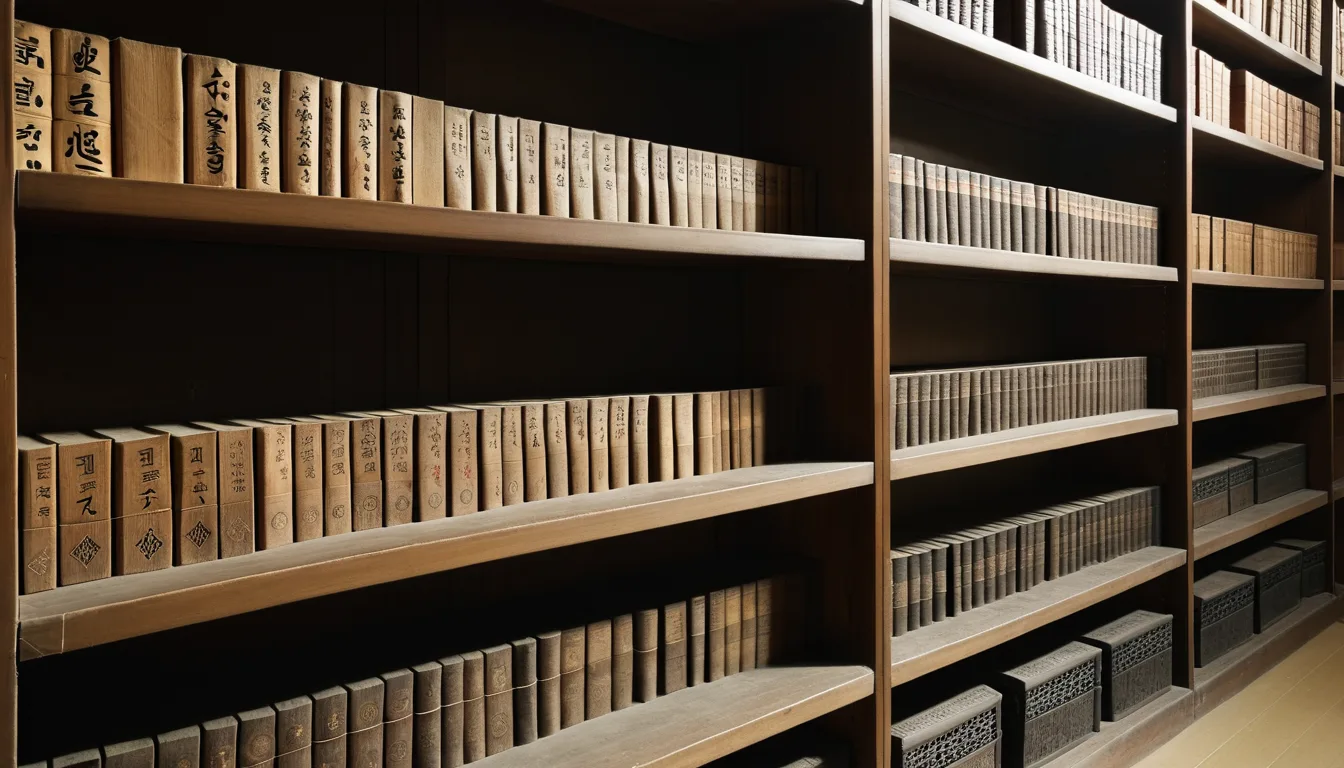
Yeonsangun Annals, volume 39: the page for the 22nd day of the 10th month, 6th year of Yeonsan (1500)
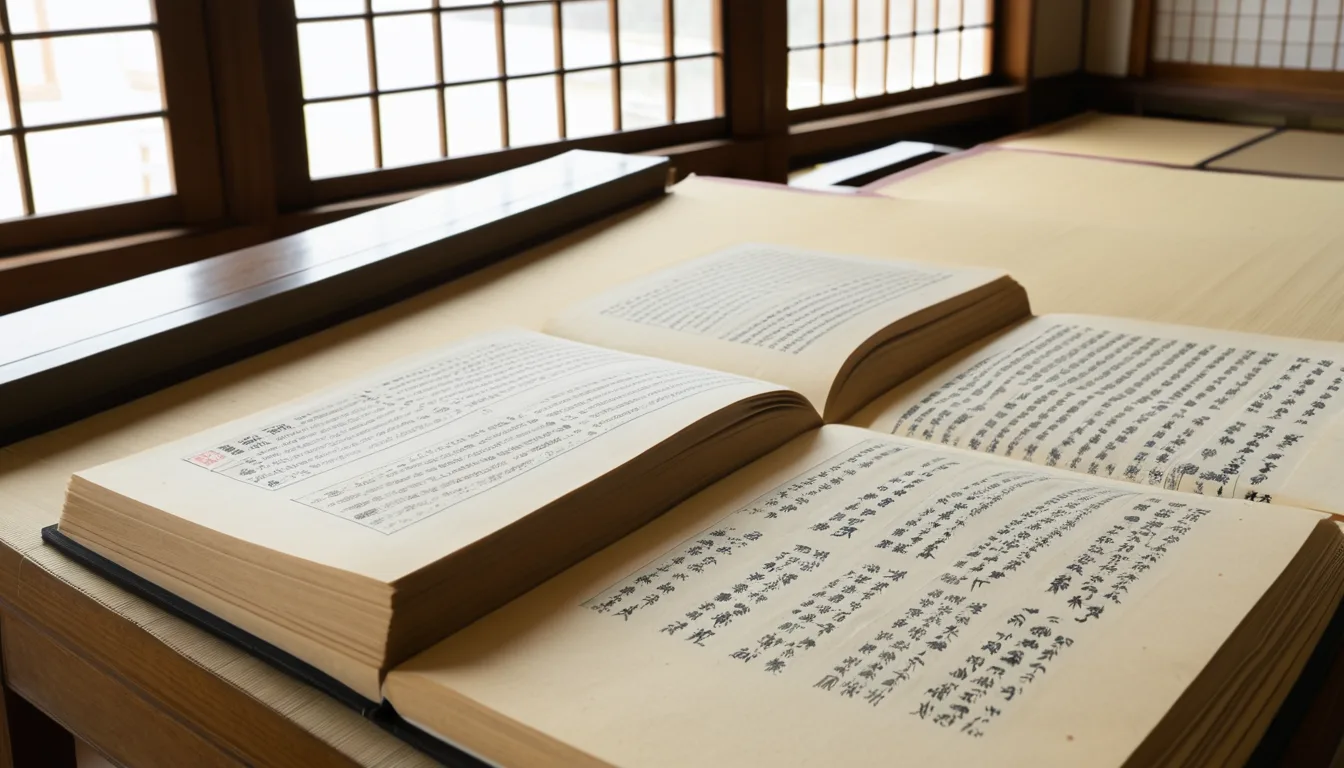
The Annals page examined here is in volume 39 of the Yeonsangun Annals. Its date line begins "Yeonsangun Annals, volume 39, 22nd day of the 10th month, 6th year of Yeonsan, Gyemyo." The 6th year of Yeonsan corresponds to 1500. The entry falls on the same date as the Hong Gil-dong entry title.
The text of this page, however, is not about Hong Gil-dong's arrest. It reads: "The king held a hunt (打圍) at Cheoncham (泉站) in Yangju (楊州) and returned to the palace late at night." In other words, on that day the king went hunting at Cheoncham in Yangju and came back to the palace late at night.
It is striking that the king's hunt and a robber's arrest sit under the same date. This arrangement suggests that the real Hong Gil-dong was just one of several matters recorded that day. It also shows that anyone looking for the Hong Gil-dong entry needs to tell the titles in the entry list apart from the text of individual entries.

"Sallok" in volume 15 of the supplementary collection of Taekdang-jip and the case for Heo Gyun's authorship
Heo Gyun is usually named as the author of The Tale of Hong Gil-dong, and the evidence comes from a single text. According to the Encyclopedia of Korean Culture's entry on the novel, that text is Taekdang-jip (澤堂集) by Yi Sik (李植, 1584–1647), pen name Taekdang (澤堂). The passage is in "Sallok" (散錄), volume 15 of the supplementary collection (別集).
The encyclopedia also points out the limits of this record. Taekdang-jip was edited and compiled by Song Si-yeol (宋時烈, 1607–1689) after Yi Sik's death, and on that basis the encyclopedia judges that "its reliability (信憑性) is weak." Moreover, the charges brought against Heo Gyun at his execution did not include writing this work. As a result, doubts that Heo Gyun was the author continue to be raised.
This shows that the familiar pairing "Heo Gyun's The Tale of Hong Gil-dong" rests on a single record compiled after Yi Sik's death. It can also be read as showing that both the real Hong Gil-dong and Heo Gyun are tied to the record through criminal charges. Hong Gil-dong's charge was written down as "robbery." For Heo Gyun, the absence of the work from his charges became evidence in the authorship debate.
A novel without an original: the 24-leaf Gyeongpan edition and the mention of Jang Gil-san
According to the encyclopedia, no original manuscript of The Tale of Hong Gil-dong has yet been found. What survives is a number of variant versions (異本), the oldest of which is leaves 1 to 20 of the 24-leaf Gyeongpan edition. The Tale of Hong Gil-dong that readers know today has come down through these variants.
The surviving versions mention a figure named Jang Gil-san (張吉山), a real person who lived in the late 17th century. On this and other grounds, the encyclopedia concludes about the surviving text that "it is certain that it would not be in the same form as The Tale of Hong Gil-dong written by Heo Gyun."
This shows that the question of authorship and the question of the text must be considered separately. Even if Heo Gyun was the author, the text we read today can hardly be taken as his own writing. The Annals record discussed above carries a date. The novel, by contrast, survives only in variants, with neither its original nor its author settled, which makes the difference between the two kinds of record even clearer.
Hong Gil-dong (洪吉同) of the Annals and Hong Gil-dong of the novel, point by point
Researchers have looked to Korean history for the novel's background. According to the encyclopedia, they have inferred that the novel's events and characters grew out of historical facts such as Hong Gil-dong (洪吉同) of Yeonsangun's (燕山君) reign. The author of the encyclopedia entry considers one possibility the strongest: that a jeon (傳), or biographical tale, written about the real Hong Gil-dong formed the background to Heo Gyun's novel. The author writes that this is "the most likely."
Set side by side, the Annals record and the novel compare as follows. Period: the Annals give the 6th year of Yeonsan (1500); the novel, the reign of King Sejong. Identity: the Annals title offers only the label "robber," while the novel makes him the illegitimate son of Minister Hong of Seoul by a maidservant (侍婢), Chunseom. The band: in the Annals title, it is to be rooted out. Ending: the Annals title reports an arrest, while the novel ends with him leading his band to Yuldo, founding a state and becoming its king.
Notably, the word "band" appears on both sides. In the Annals the band is something to be rooted out; in the novel it is the people who found a nation with him. If the entry author's theory is right, the real man's name carried over while the period and the ending changed. This difference can be seen as a reason not to read the Hong Gil-dong of the novel as a biography of the real man.
| Record | Type of source | What it says about Hong Gil-dong | What to watch for |
|---|---|---|---|
| Yeonsangun Annals, 22nd day of the 10th month, 6th year of Yeonsan (1500) | Title in an entry list of the Annals of the Joseon Dynasty | "Robber Hong Gil-dong has been caught, so the rest of his band is to be rooted out as well" | The text of the page examined is an entry on the king's hunt on the same day |
| "Sallok," volume 15 of the supplementary collection of Taekdang-jip | Book by Yi Sik (1584–1647), edited and compiled by Song Si-yeol after his death | Record that Heo Gyun wrote The Tale of Hong Gil-dong | Criticized as unreliable because it was compiled posthumously |
| Charges against Heo Gyun at his execution | The charges at the time of Heo Gyun's execution | Did not include writing The Tale of Hong Gil-dong | Cited as grounds for doubting Heo Gyun's authorship |
| 24-leaf Gyeongpan edition, leaves 1–20 | Oldest of the surviving variant versions | Text of the novel The Tale of Hong Gil-dong | No original manuscript of the novel has yet been found |
| The Tale of Hong Gil-dong as it survives today | Novel handed down in variant versions | Illegitimate son of Minister Hong by the maidservant Chunseom in King Sejong's reign; becomes king of Yuldo | Mentions Jang Gil-san, a late-17th-century figure, so it is not in the form Heo Gyun wrote |

Conclusion
Behind the name Hong Gil-dong lie three overlapping layers of record. The first is the "robber" in the title of an Annals entry from 1500. The second is the authorship record in Taekdang-jip, compiled after Yi Sik's death. Merging these three layers into a single story blurs what each record actually says.
The open questions are clear too. How the text of the Annals entry describes the arrest can be learned only by reading that entry itself. What the jeon about the real man looked like also remains an open question. Reading the Annals page alongside the Encyclopedia of Korean Culture entry on The Tale of Hong Gil-dong makes it possible to pursue these questions in more detail.