The short answer
The modern Olympics can be seen as a new institution, created in 1896, that borrowed its name and symbols from the festivals of ancient Greece. Seoul 1988 was the first Summer Olympics in 12 years at which the United States, the Soviet Union and East Germany all competed. These two statements deal with different eras. Yet both come from the same question: what did the Olympics inherit from antiquity, and what did they invent?
This article begins with the ancient festival at Olympia. It then turns to the 1894 Sorbonne congress and the 1896 Athens Games, followed by the Olympic Charter, the truce resolutions and the boycotts. Finally, it looks at Seoul 1988: how the city won the Games, how they went, and the records of medalists from Korea and elsewhere. The scope is limited to facts that can be confirmed in material from the IOC (International Olympic Committee), Olympedia, the United Nations and the National Archives of Korea.
The ancient festival at Olympia and the tradition of 776 BC
The official IOC website gives the span of the ancient Olympics in a single line: threat of invasion or not, the Games were held every four years from 776 BC until at least AD 393. The year 776 BC comes from tradition and has not been confirmed by official records. The date AD 393 also carries a qualifier, "at least", which suggests that no single year has been fixed for the end of the Games.
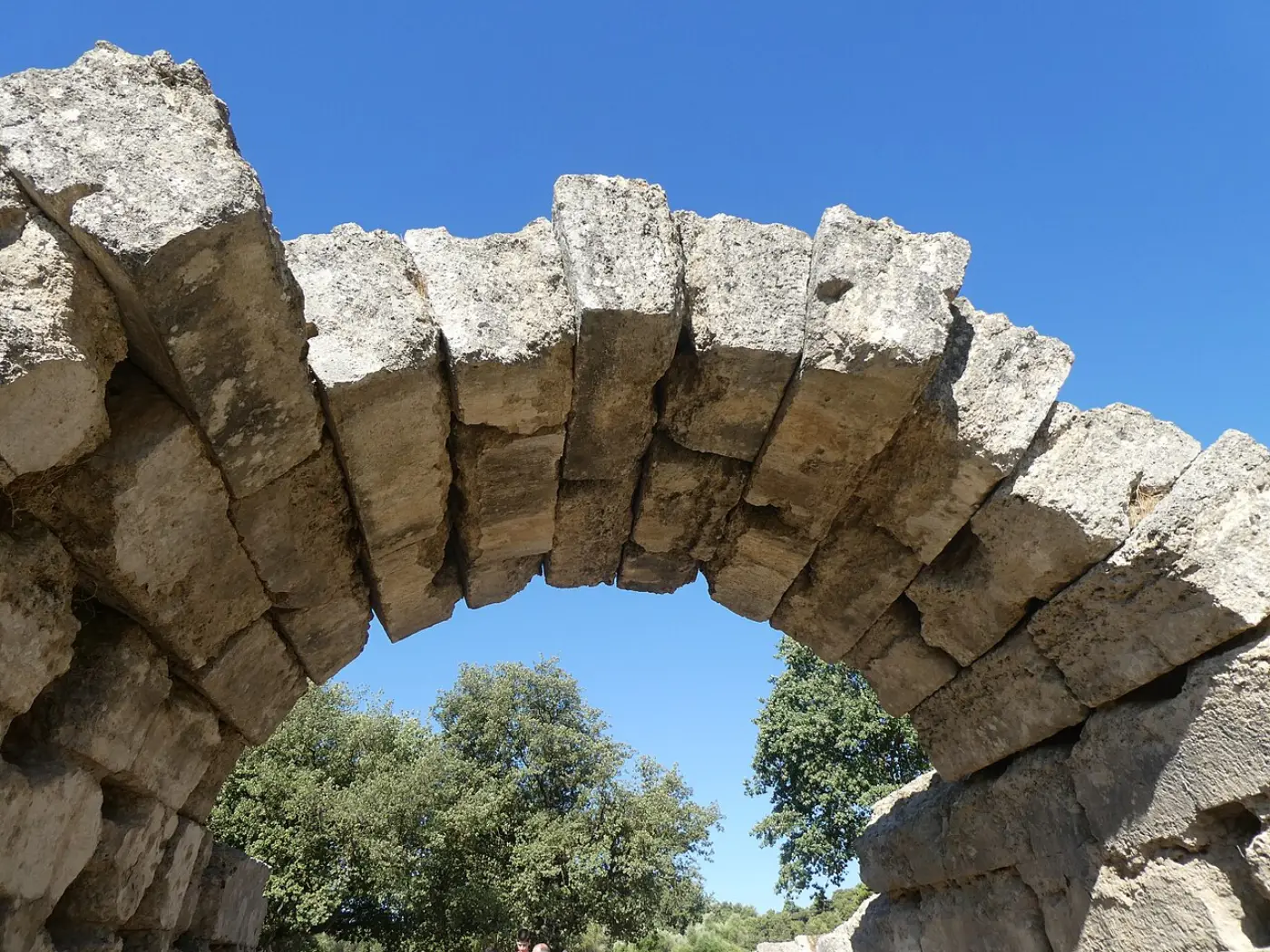
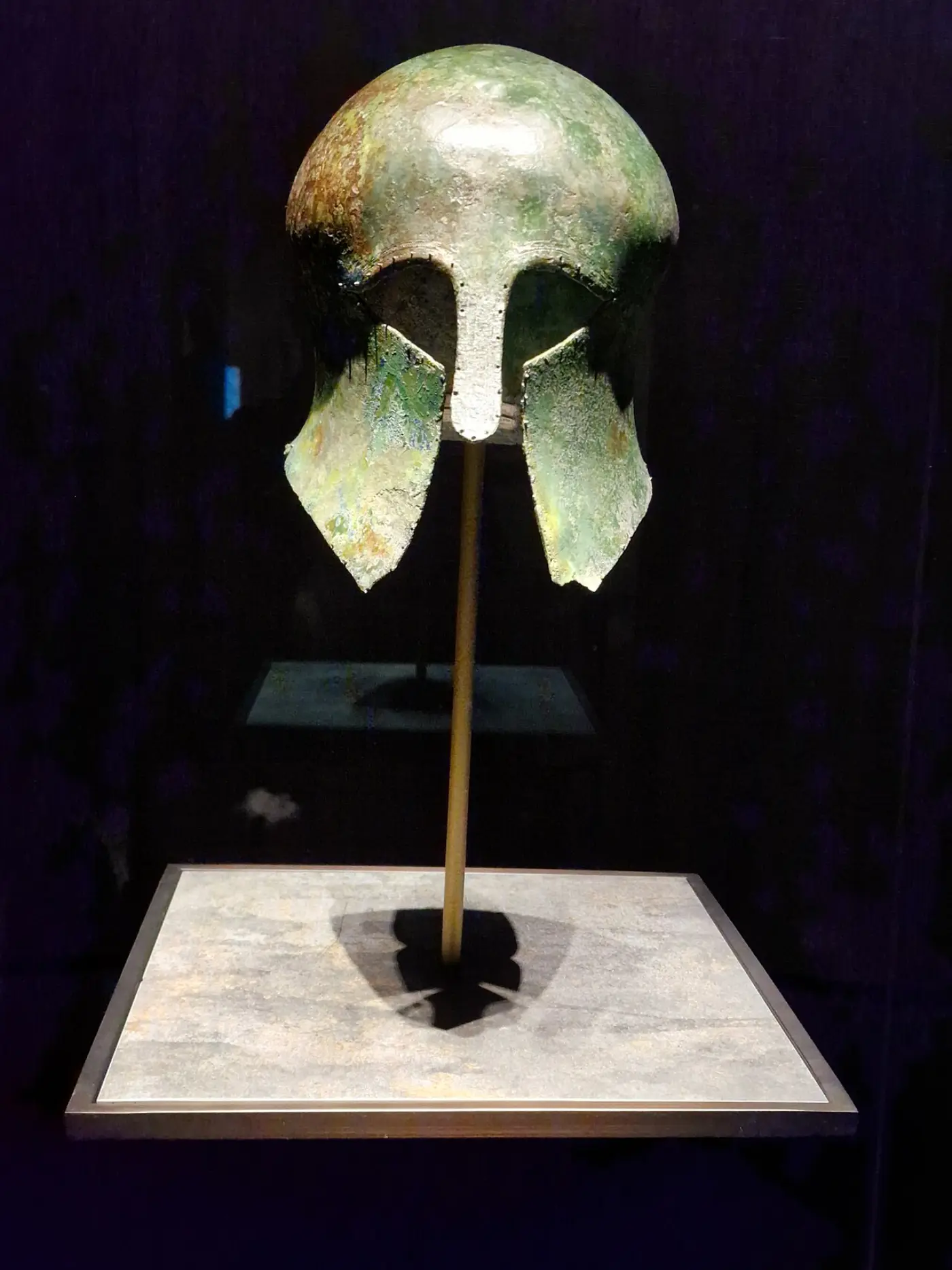
According to the IOC, for their first 250 or so years all the contests were held in one place: the sanctuary of Olympia in the north-western Peloponnese. Tradition also links the origins of the Games to this site. In myth, Heracles held games at Olympia in honour of Zeus. This is a myth, not an established fact.
IOC material also describes how the contests worked. At the Panhellenic Games there was only one winner, whose prize was a crown of leaves. Women could neither compete nor watch. In 393 the Christian emperor Theodosius I banned pagan rites, and the IOC says the ban included the Games.
The tradition of a truce also goes back to this period. The United Nations explains that the ekecheiria, known as the "Olympic Truce", began in the 8th century BC, and presents it as a sacred principle of the Olympic Games. The facts in this section can serve as a baseline for measuring the modern Games. Only by separating traditional dates and myths from the record can we see exactly what the modern era revived.
The 1894 Sorbonne congress and the 1896 Athens Games
The first Olympic Congress opened in Paris on 16 June 1894. According to the IOC, it met in the great hall of the Sorbonne University. Fifty-eight French delegates attended on behalf of 24 sports bodies and clubs, along with 20 foreign delegates. These came from Belgium, Great Britain and Ireland, Greece, Italy, Russia, Spain, Sweden and the United States, and represented 13 foreign federations.
The IOC sums up the outcome: "Coubertin's Olympic dream became a reality on 23 June. The resolution to revive the Olympic Games was adopted unanimously at the final session of the Congress." Coubertin here is Pierre de Coubertin. At the same meeting, it was proposed that the first modern Olympics be held in Athens in 1896. The IOC itself was founded on 23 June 1894.
The key word in this account is "revive". It suggests that the modern Olympics presented themselves not as a continuation of the ancient Games but as a revival. There is a small discrepancy over the date. Olympedia's overview of the 1896 Games says Athens was chosen as host at the Sorbonne congress on 24 June 1894, while the IOC dates the revival resolution and the Athens proposal to 23 June. Because the two sources are a day apart, anyone citing the date should say which one they followed.
Olympedia lists 176 athletes from 13 nations at Athens 1896, competing for 43 medal events in 10 disciplines. According to the IOC, the Olympic rings were first unveiled in 1913. The Olympic flag was made for the 1914 congress in Paris marking the 20th anniversary of the Olympic Movement. The rings first appeared at the Games, on the flag, in Antwerp in 1920. That is 24 years after the first Games, which suggests the symbols took shape later than the event itself.
The Olympic Charter, the UN truce resolution and the boycotts of 1980 and 1984
The IOC describes the Olympic Charter as the codification of the Fundamental Principles of Olympism and of the Rules and Bye-laws adopted by the IOC. It was first published in 1908 under the title "Annuaire du Comité International Olympique", and the title "Olympic Charter" has actually appeared on the publication only since 1978. Rule 8 states that the Olympic symbol represents the union of the five continents and the meeting of athletes from around the world. This article can be read as giving the rings discussed above a meaning set down in writing.
The truce tradition returned in modern times on paper. According to the United Nations, the IOC revived it in 1992 by calling on all nations to observe a truce. In Resolution 48/11 of 25 October 1993, the UN General Assembly urged member states to do so. The truce runs from seven days before the opening of each Games to seven days after the closing. From 1998, the IOC decided to fly the UN flag at all competition venues.
After the Soviet invasion of Afghanistan, US President Jimmy Carter called for a boycott of the Moscow Games. Olympedia puts the number of boycotting countries at about 63, adds that the exact figure is hard to establish, and lists 80 participating nations. In May 1984, the Soviet Union announced it would not attend the Los Angeles (LA) Games, citing athlete safety. Fourteen invited nations did not compete in LA, and 140 nations took part. Set side by side, the truce resolutions and the boycott records show that Olympic ideals and actual participation did not always match.
Comparing the ancient festival and the modern Games point by point makes the differences clear. Winners and prizes: in antiquity a single winner received a crown of leaves, while the modern record lists gold, silver and bronze medals. Women: in antiquity they could neither compete nor watch, while modern records include medals in women's individual and team events. Venue: for its first 250 or so years the ancient festival was held at the sanctuary of Olympia, while the modern Games have moved between cities such as Athens, Berlin and Seoul. Truce: the ancient ekecheiria was put back into writing in 1993 by UN General Assembly Resolution 48/11. On all four points, the modern Games can be read as taking the ancient name while writing new rules.
The 1981 Baden-Baden vote and the nations at Seoul 1988
According to Olympedia, Seoul was chosen as host on 30 September 1981. The vote took place at the 84th IOC Session in Baden-Baden, West Germany, and in the first round Seoul received 52 votes to Nagoya's 27.
The National Archives of Korea records the same decision. Its material refers to the period "after Seoul was confirmed in September 1981 in Baden-Baden as host of the 24th Summer Olympics". The two sources agree on the year, the month and the place.
Where they differ is in what they record. Olympedia gives the date and the vote count, while the National Archives gives the edition number, the 24th. Read together, they confirm both the date of the decision and the edition of the Games.
Olympedia lists 8,453 athletes from 159 nations at the Seoul Games, and says this was the first Summer Olympics in 12 years at which the United States, the Soviet Union and East Germany all competed. That statement gains its full meaning when placed beside the absences of 1980 and 1984. Not every country came, however. In July 1985 North Korea demanded to co-host the Games with South Korea, and later announced that it would not take part in the Seoul Olympics. According to Olympedia, the runner chosen to carry the torch into the stadium at the opening ceremony was Sohn Kee-chung, winner of the marathon at the 1936 Berlin Olympics.
Seoul 1988's medal table, Ben Johnson's disqualification and the archives' record of the city
In Olympedia's medal table, Korea won 12 gold, 10 silver and 11 bronze at the 1988 Games, 33 in all. Seoul also left a mark on the Olympic symbols. According to Olympedia, the city gave the IOC a flag to replace the worn 1920 Antwerp flag. The new flag was made of pure Korean raw silk and sewn by skilled Korean artisans. This shows that symbols are carried forward even when the physical objects are replaced.
In the men's 100 metres, the time and the final result diverged. Olympedia records that Ben Johnson won in 9.79 seconds, but then tested positive for stanozolol, an anabolic steroid, and was disqualified. He returned his gold medal, his time was struck from the record, and the gold went to Carl Lewis. Olympedia lists Lewis's time in the 24 September final as a world record of 9.92 seconds.
Even within Olympedia, the timing of the disqualification is described differently. Johnson's entry says "three days later", Carl Lewis's entry says "the next day", and the overview of the 1988 Games says "a few days later". This shows that wording can vary from entry to entry even within a single source. Where dates matter, several entries should be read against each other.
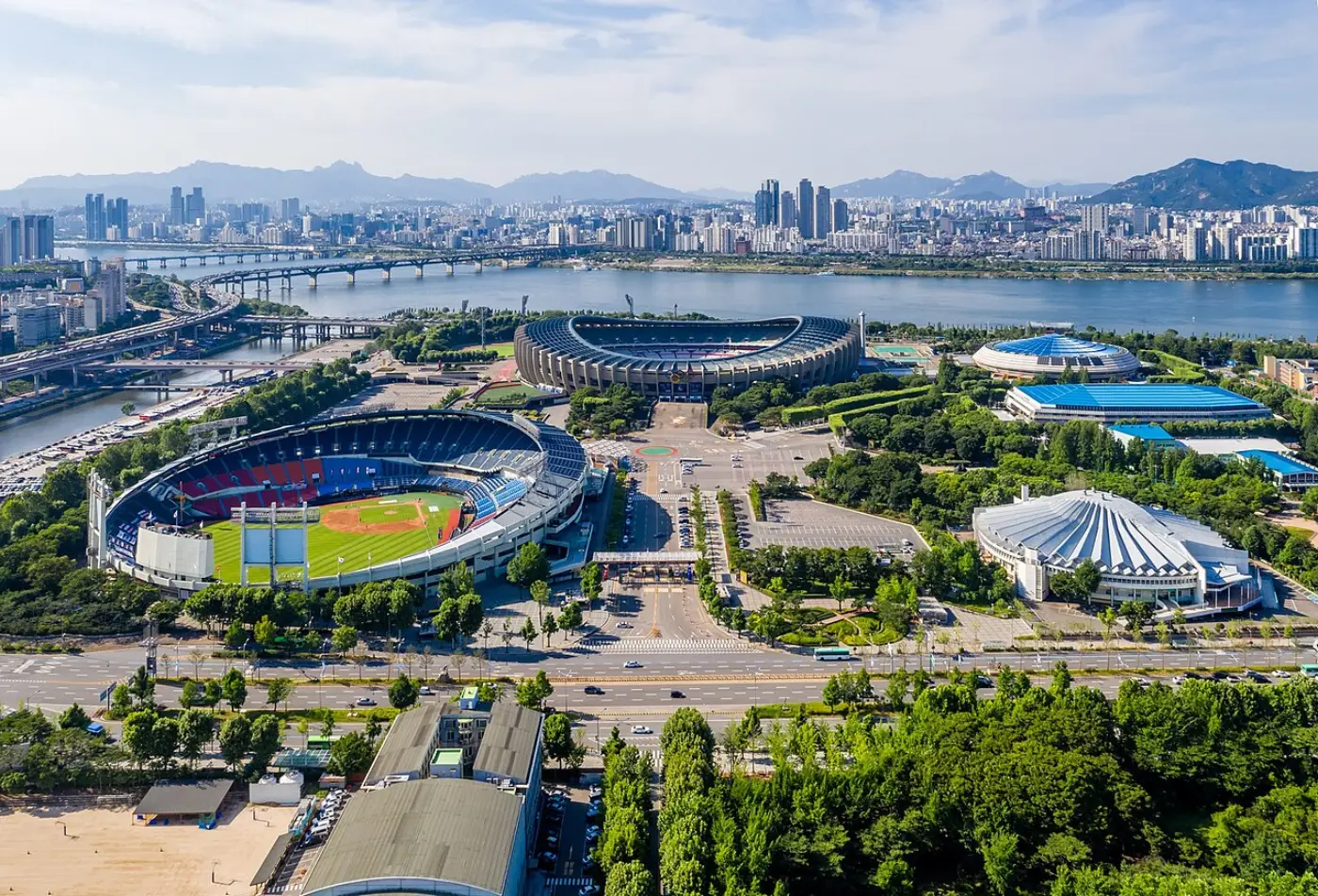
The National Archives of Korea also covers how Seoul's urban landscape changed, "from the building of the Olympic town in the Jamsil and Bangi-dong areas, the main stage of the Olympics, to the Comprehensive Han River Development Project and the expansion of the city's transport network, including Olympic-daero and the subway". Its "Beyond the Wall: The 86 and 88 International Sporting Events" collection presents selected key records from the 1986 Asian Games, the 1988 Olympics and the 1988 Paralympics. Readers who want to see the original records can start there. If the medal table shows what happened inside the venues, these records arguably let readers see the Games alongside the changes to the city.
Sohn Kee-chung, Jesse Owens, Comăneci and the medalists of Seoul
The National Archives of Korea states: "The marathon has been an event since the first Olympic Games in Athens." According to Olympedia, the 1896 marathon was won by Spyridon Louis of Greece, who became a hero. The marathon at the 1936 Berlin Games was won by Sohn Kee-chung. Olympedia describes him as the first Korean to win an Olympic gold medal and gives his time on 9 August 1936 as 2 hours 29 minutes 19.2 seconds. Sohn competed under the Japanese name "Kitei Son", which Olympedia explains was because Korea was then part of the Japanese Empire.
The National Archives describes the same race this way: "Sohn Kee-chung won at the 11th Olympic Games in Berlin in 1936 with a time of 2 hours 29 minutes 19.2 seconds, an Olympic record at the time." The two institutions give the same time. The National Archives adds that Nam Sung-yong finished third in the same race in 2 hours 31 minutes 42.2 seconds. It also writes: "Although it was a gold medal won wearing the Japanese flag, Sohn Kee-chung's gold remained the only one until Hwang Young-cho won the marathon at the Barcelona Olympics in 1992 wearing the Taegeukgi." The difference, it seems, is that Olympedia explains the name he competed under, while the National Archives covers the flag and what came after.
Jesse Owens won four gold medals at the 1936 Berlin Games, in the 100 metres, 200 metres, 4×100 metres relay and long jump. Carl Lewis equalled Owens's 1936 feat with four athletics golds in 1984. Lewis's Olympic golds were four in 1984, two in 1988, two in 1992 and one in 1996. Abebe Bikila was the first person to win the Olympic marathon twice in a row, in 1960 and 1964. Nadia Comăneci became the first female gymnast to score a perfect 10.0, at the 1976 Montreal Games. Her first 10 came on the uneven bars, and the judges awarded her a perfect score seven times at those Games.
Florence Griffith Joyner won three golds and a silver in Seoul. In the 200 metres she broke the world record twice, running 21.56 seconds in the semi-final and 21.34 in the final. Greg Louganis missed the 1980 Games because of the US boycott, then won both springboard and platform in 1984 and 1988. Steffi Graf won all four Grand Slam tournaments and the Olympic singles title in the single season of 1988. According to Olympedia, it was the press that called this season the "Golden Slam".
Korea's gold medalists at Seoul 1988: Kim Soo-nyung, Yoo Nam-kyu, Hyun Jung-hwa and the combat sports
According to Olympedia, the archer Kim Soo-nyung won gold in the women's individual event at Seoul 1988. Kim, Wang Hee-kyung and Yun Young-sook also won gold in the women's team event. Kim's Olympedia entry notes that she won both the individual and team titles at the 1989 and 1991 World Championships. At the Barcelona Olympics she won team gold and finished second in the individual event. Her two golds in Seoul can be read not just as one Games' results but as part of a record spanning several years.
Table tennis produced two golds. Olympedia records that Yoo Nam-kyu won the men's singles, and that Hyun Jung-hwa and Yang Young-ja won the women's doubles. Hyun's own Olympedia entry gives the same account of the doubles gold she won with Yang. When Korea's list of 1988 medalists and the individual athlete entries point to the same result, that offers a way to cross-check the record.
The combat sports brought several golds. According to Olympedia, in judo Kim Jae-yup won the men's extra-lightweight and Lee Kyung-keun the half-lightweight. In wrestling, Kim Young-nam won the Greco-Roman welterweight and Han Myung-woo the freestyle middleweight. In boxing, Kim Kwang-sun won the flyweight and Park Si-hun the light-middleweight. In team sports, the women's handball team won gold.
Eleven of the 12 golds in the medal table can be matched to names and events in this way, and the remaining one can also be found in Olympedia's list of Korea's medalists. Even within wrestling, Greco-Roman and freestyle are listed as separate events. Accurate reporting requires giving both the weight class and the event.
| Games | Nations | Athletes | Related records in this article |
|---|---|---|---|
| Athens 1896 | 13 nations | 176 | 43 medal events in 10 disciplines |
| Berlin 1936 | 49 nations | 4,483 | Jesse Owens's four golds; Sohn Kee-chung's marathon win |
| Moscow 1980 | 80 nations | 5,255 | Boycott by about 63 countries |
| Los Angeles 1984 | 140 nations | 6,800 | Soviet withdrawal announced; 14 invited nations did not compete |
| Seoul 1988 | 159 nations | 8,453 | First Summer Games in 12 years with the US, Soviet Union and East Germany all competing |
Related reading: Yulgok Yi I: The Man Said to Have Topped Joseon's Civil Service Exams Nine Times · Pansori (Korean Epic Chant) vs Western Classical Singing: Voice and Performance
Conclusion
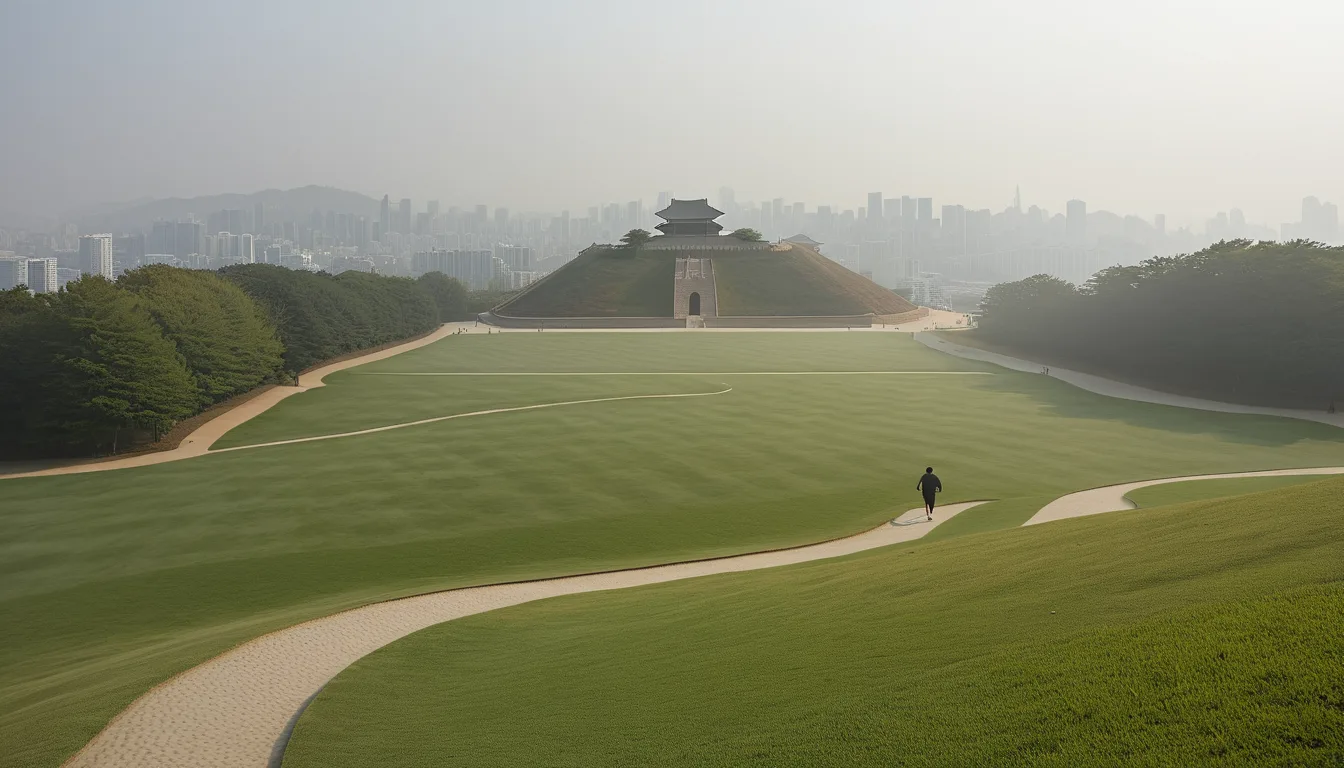
Taken together, the records suggest that the link between the ancient and modern Games is one of inherited symbols, not institutional continuity. The modern Olympics began with the revival resolution of 1894, and the Olympic flag was created 20 years later. Seoul 1988 can be seen as a turning point: after the absences of 1980 and 1984, it was the Games at which the United States, the Soviet Union and East Germany met again. Even so, some were missing, as North Korea's announcement that it would stay away shows.
Heroic stories also need to be kept apart from the record. When Olympedia calls Spyridon Louis a hero, it does so alongside the fact of his marathon win. Ben Johnson's 9.79 seconds was a winning time, but it was erased along with his disqualification. The "Golden Slam" is a name the press coined, not the name of a record. What remains are the small discrepancies between sources. Points where sources disagree, such as the date Athens was chosen and the timing of Johnson's disqualification, deserve further digging to see which original records can settle them.