The short answer: five areas of the Silla capital, inscribed in December 2000
The Gyeongju Historic Areas were inscribed as World Heritage in December 2000. The property groups the remains of the Silla capital into five areas by type, and it was listed under criteria (ii) and (iii). This is part 6 of a 17-part series.
The Korea Heritage Service calls the site a comprehensive historic district. Its heritage is varied enough to offer an overview of Silla history and culture at a glance, and it is spread across a wide area. The listing therefore covers not a single building but all the remains across Gyeongju and its surroundings. This can be read as a reminder to look at the layout of the city before focusing on any single landmark.
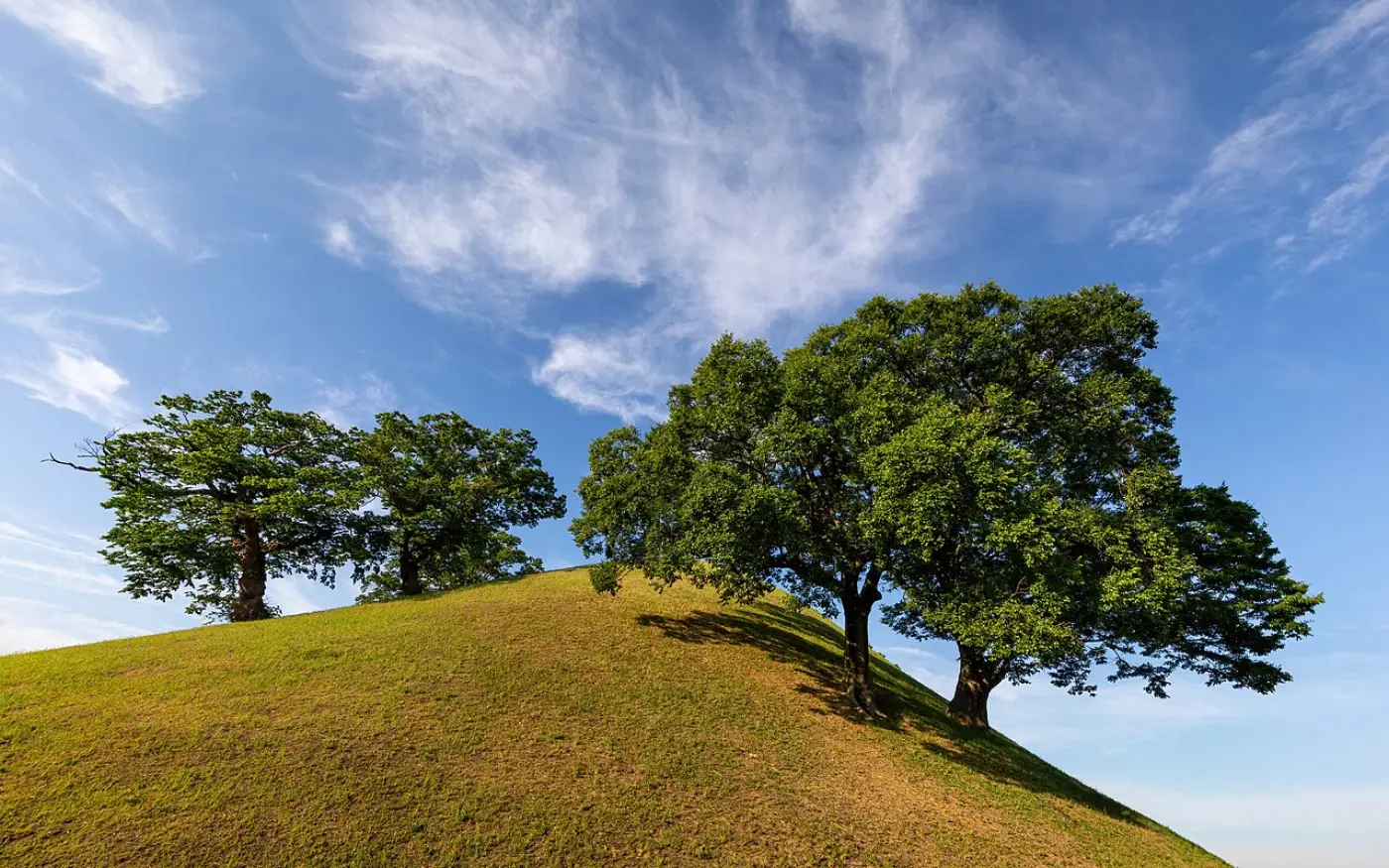
What the Korea Heritage Service lists: five areas and 52 designated properties
The Korea Heritage Service's World Heritage guide counts 52 designated heritage properties in the inscribed area. The Wolseong area includes Wolseong, where the Silla royal palace stood. It also includes Gyerim (鷄林), which the agency describes as the birthplace of Kim Al-ji, founder of Silla's Kim royal line.
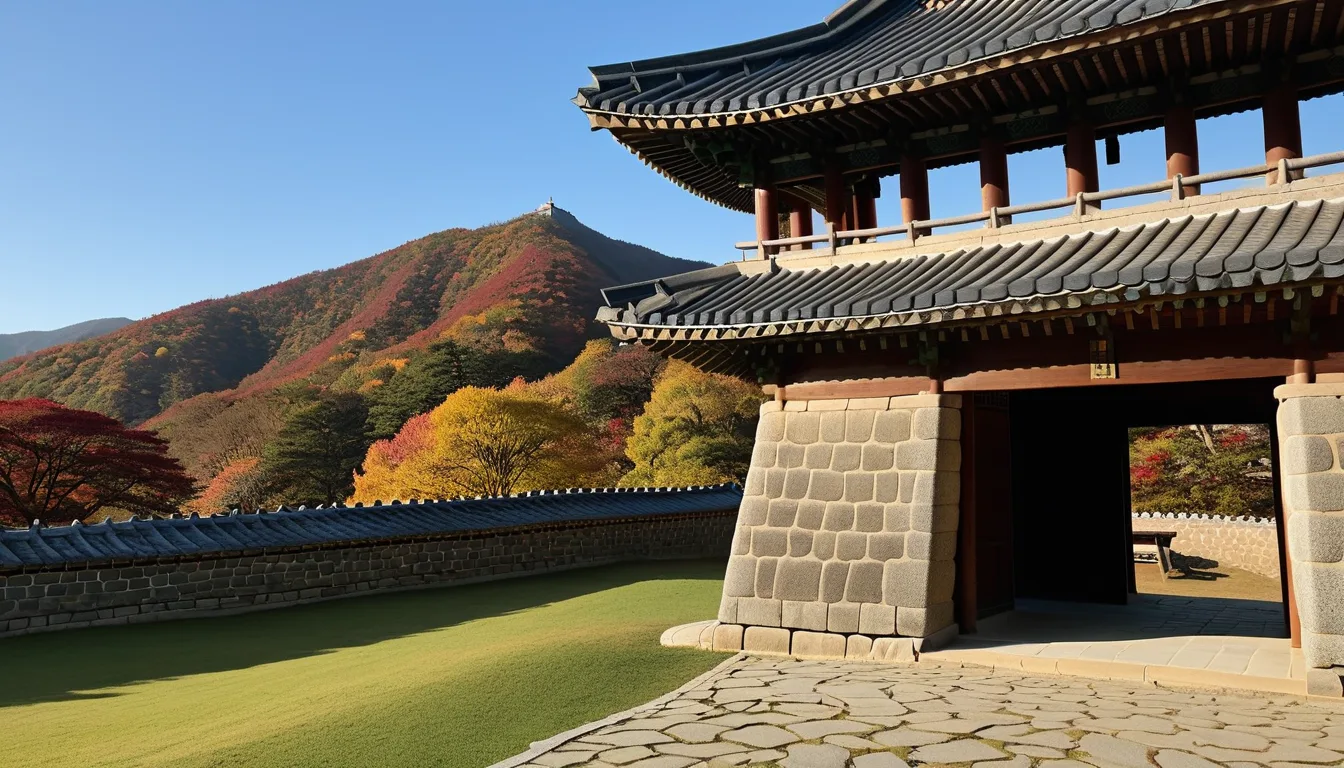
Tomb excavations in the Daereungwon area yielded gold crowns, the Heavenly Horse painting (Cheonmado), glass cups and many kinds of pottery. The agency calls these artifacts valuable evidence of daily life at the time. The Mountain Fortress area contains Myeonghwalsanseong Fortress, believed to have been built before AD 400. The same guide also covers Hwangnyongsa. The temple burned down during the Mongol invasion, and more than 40,000 artifacts have been excavated there.
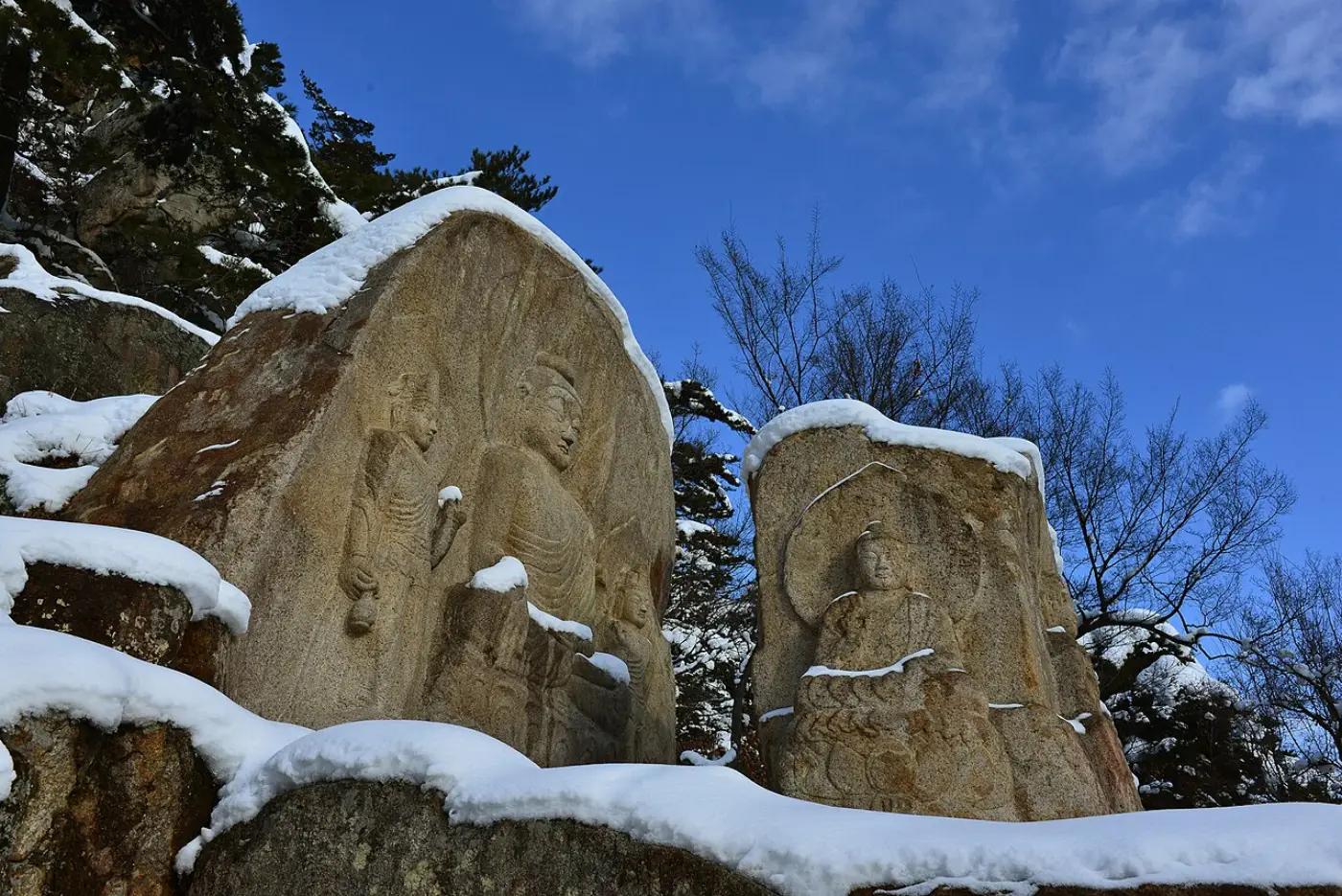
Mount Namsan in Gyeongju is also part of the property. The Encyclopedia of Korean Culture puts its size at about 8 km north to south and about 4 km east to west. Excavations across Namsan have uncovered 112 temple sites, 80 stone Buddhas, 61 stone pagodas and 22 stone lanterns. The encyclopedia names the Inyongsa Temple Site, the Cheongwansa Temple Site, the group of rock-carved figures and Chilburam as representative sites, and notes that the Namsan area was designated a Historic Site in 1985. These figures show that Gyeongju's World Heritage is not a handful of landmark buildings but a collection of remains scattered across mountains and fields.
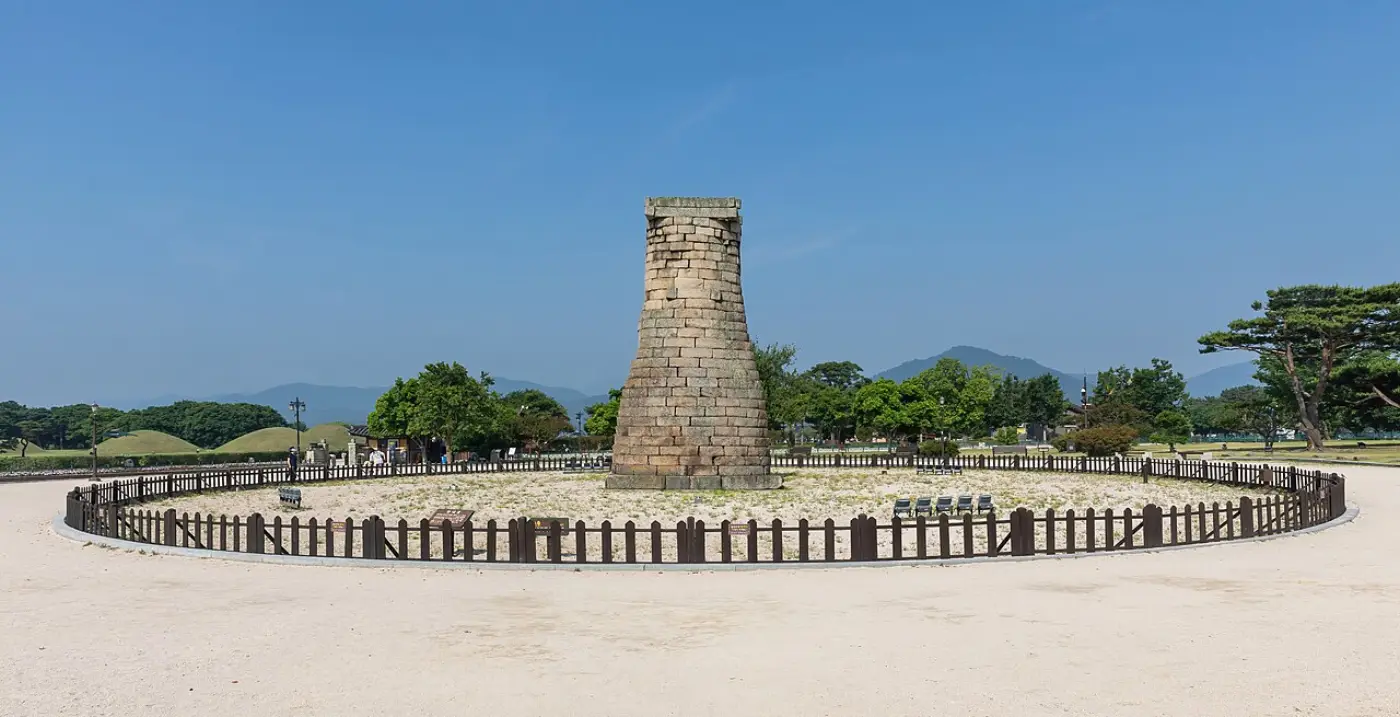
Criteria (ii) and (iii): how the Korea Heritage Service and the culture ministry explain them
The Korea Heritage Service's guide gives the inscription criteria as "World Heritage Criteria (II), (III)," and materials from the Ministry of Culture, Sports and Tourism cite the same two. The agency explains criterion (ii) as heritage that has strongly influenced developments in fields such as architecture, monumental sculpture, and garden and landscape design. That influence may unfold over a span of time or within a cultural area. The ministry describes criterion (iii) as "unique, extremely rare or very old heritage."
The agency describes the site as "the capital of the Silla dynasty, which ruled the Korean Peninsula for more than a thousand years." It adds that the site "holds many sites and monuments important to the development of Korean architecture and Buddhism." The ministry says the site brings together typical examples of Korean Buddhist art, which peaked between the 7th and 10th centuries. These take the form of sculpture, structures, pagodas, temples and palace remains.
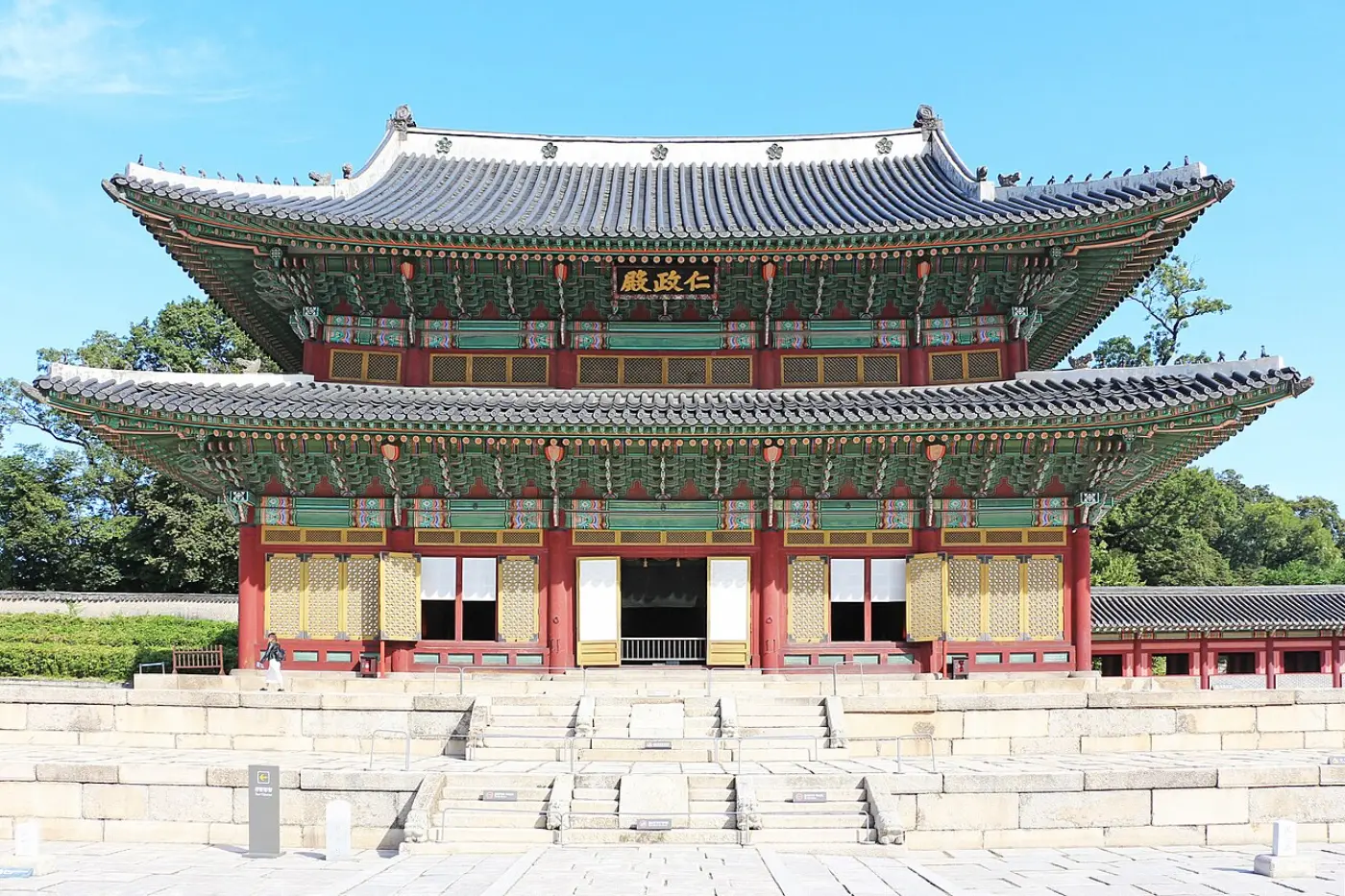
How do the two criteria apply to this property? Criterion (ii) concerns developments in architecture and sculpture. Namsan's stone Buddhas and pagodas, along with temple sites such as Hwangnyongsa, arguably fit that description. The phrase "very old heritage" in criterion (iii) can be read alongside Myeonghwalsanseong Fortress, believed to predate AD 400. To see what the criteria numbers mean for another property, read this alongside the series' installment on the criteria behind Changdeokgung's listing.
Hwangnyongsa's nine-story wooden pagoda: built 643–645, documented in 872
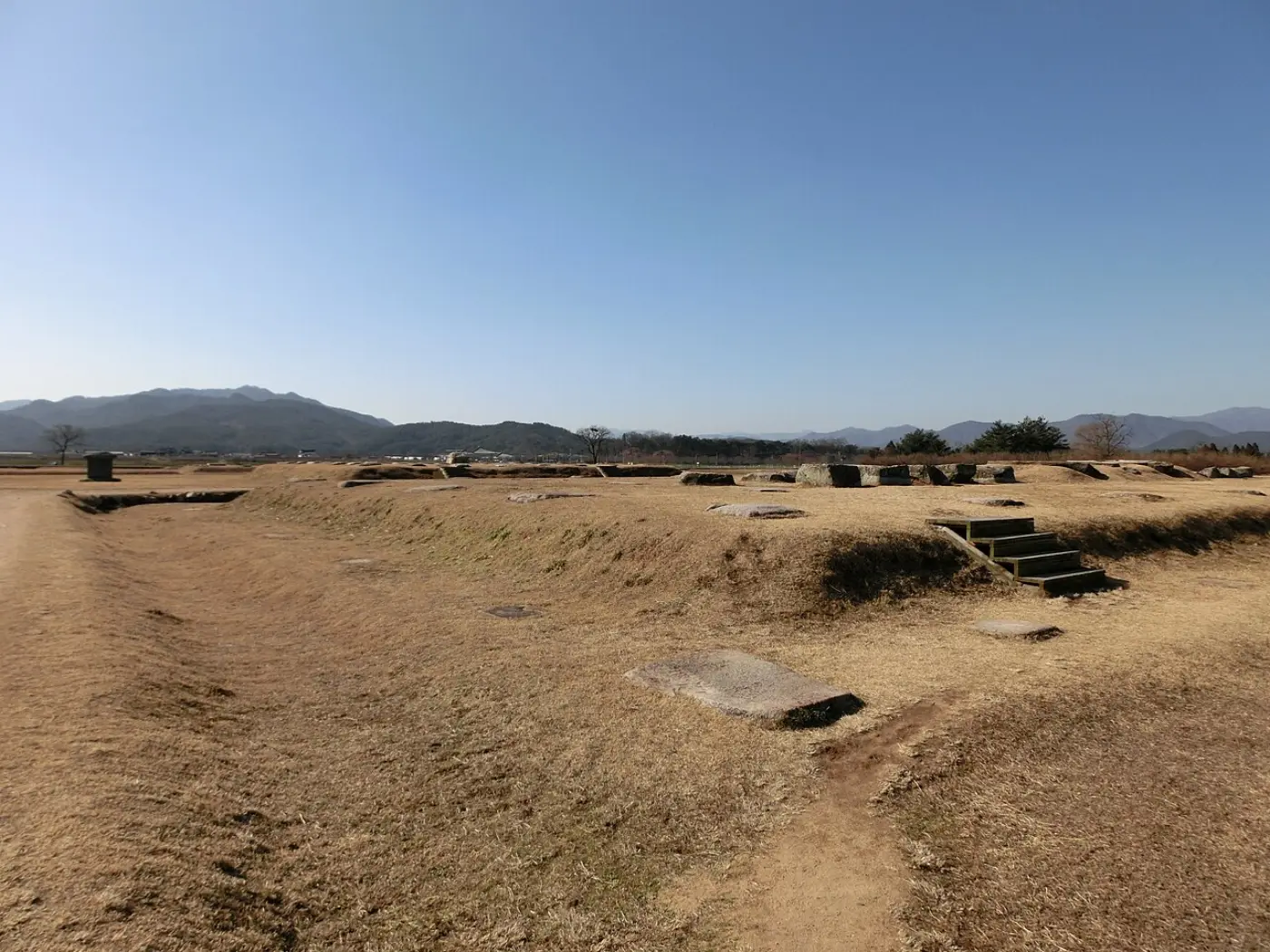
According to the Encyclopedia of Korean Culture, compiled by the Academy of Korean Studies, work on Hwangnyongsa's nine-story wooden pagoda began in the 12th year of Queen Seondeok's reign (643). It was completed in 645. The finial was 42 cheok (about 15 m) high and the body 183 cheok (about 65 m), for a total height of 225 cheok (about 80 m). After consulting her ministers, Queen Seondeok invited Abiji (阿非知), a craftsman from Baekje, to provide technical guidance. Yongchun (龍春), who held the rank of igan (伊干), then led 200 junior craftsmen (小匠) and supervised the work until the pagoda was finished.
Over 593 years, spanning the Silla and Goryeo dynasties, the pagoda was repaired six times. The encyclopedia says it was revered as a sacred treasure protecting the nation (護國聖寶). In 871, King Gyeongmun of Unified Silla put his younger brother Kim Wi-hong, the senior minister (sangjaesang), in overall charge of a restoration. That work produced the 872 Gilt-bronze Chalju Bongi, an inscribed record from the pagoda's central pillar. It describes the pagoda's founding, the restoration process and the number of monks and laypeople (道俗) who took part. The pagoda burned down in the 25th year of King Gojong's reign (1238). That year, Mongol troops invaded and fire destroyed the entire Hwangnyongsa complex.
Wolseong offers another case where texts and excavation meet. Korea JoongAng Daily reports that the Samguk Sagi (History of the Three Kingdoms) dates King Munmu's construction of the Donggung (Eastern Palace) to 679. The paper also reports that artifacts from Wolseong came from an area believed to be a 3rd-century ritual site. It presents them as evidence of the rituals of Saro, the state that preceded Silla. Taken together, the two cases show that Gyeongju's remains span a long period, from the Saro era to the late 7th century.
The 1976 Hwangnyongsa and 2014 Wolseong excavations: the questions they raise
Excavation of the Hwangnyongsa site ran for 10 years from 1976 and included a detailed survey of the wooden pagoda site. On the Chalju Bongi, researchers deciphered 74 lines and more than 900 characters in total. The Encyclopedia of Korean Culture says the inscription confirms that the Samguk Yusa's account of the pagoda's founding and size is quite reliable. In other words, a historical text could be checked against writing preserved on a physical object.
The Wolseong excavation project began in 2014. The Donggung had long been thought to lie west of Wolji, the artificial pond formerly known as Anapji. Based on new findings, however, the Korea Heritage Service announced that it stood east of Wolji, Korea JoongAng Daily reported.
The same report notes that the exact location of the Silla royal palace before the 7th century is still unknown. The agency expects the Wolseong excavation to take at least another 50 years. Both facts suggest that World Heritage inscription does not mark the end of research. Even long-accepted views, such as the location of the Donggung, can change through excavation. For more on matching records with remains, read this alongside the series' installment on restoring Suwon's Hwaseong Fortress and its World Heritage listing.
| Area | Key sites and artifacts | Features noted in sources | Sources |
|---|---|---|---|
| Wolseong area | Wolseong, site of the Silla royal palace; Gyerim, birthplace of Kim Al-ji | Excavation project began in 2014; includes an area believed to be a 3rd-century ritual site | Korea Heritage Service, Korea JoongAng Daily |
| Daereungwon area | Tombs and excavated artifacts (gold crowns, Heavenly Horse painting, glass cups, various pottery) | Yielded valuable artifacts that reveal daily life at the time | Korea Heritage Service |
| Mountain Fortress area | Myeonghwalsanseong Fortress | Believed to have been built before AD 400 | Korea Heritage Service |
| Mount Namsan area | Inyongsa Temple Site, Cheongwansa Temple Site, rock-carved figures, Chilburam | About 8 km north–south and 4 km east–west; 112 temple sites, 80 stone Buddhas, 61 stone pagodas, 22 stone lanterns; designated a Historic Site in 1985 | Encyclopedia of Korean Culture |
| Hwangnyongsa Temple Site | Site of the nine-story wooden pagoda | Destroyed by fire in the Mongol invasion; more than 40,000 artifacts excavated; excavated for 10 years from 1976 | Korea Heritage Service, Encyclopedia of Korean Culture |
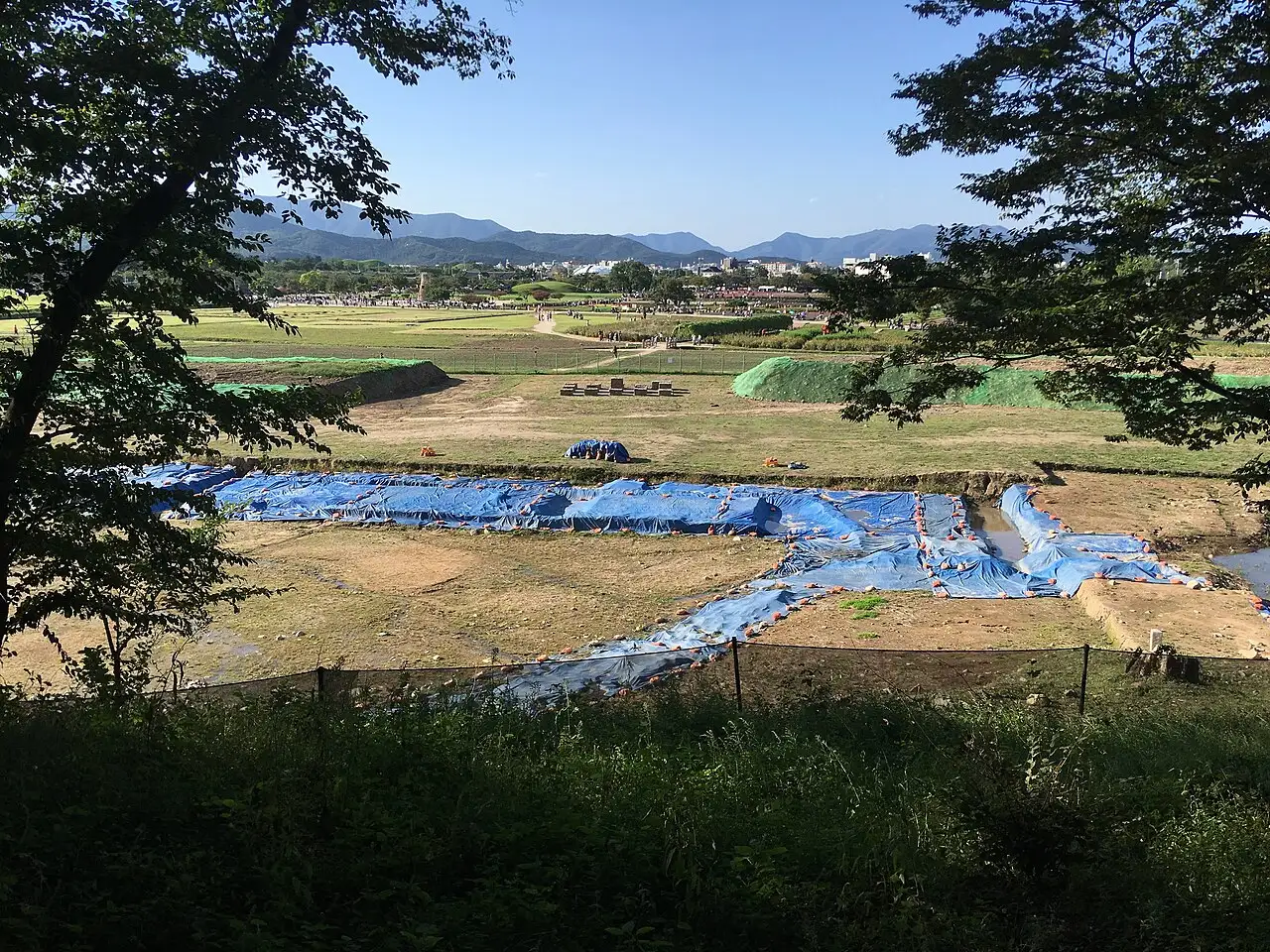
Wrapping up: what else to see at Hwangnyongsa and Namsan
These cases share one thing: records and excavation keep reshaping how Gyeongju's remains are understood. The Chalju Bongi supported the Samguk Yusa's account, and the Wolseong excavation changed the understanding of where the Donggung stood. The location of the palace before the 7th century, by contrast, remains an open question. The property can therefore be seen less as a settled conclusion than as a place where research is still under way.
On site, take a close look at the platform of the wooden pagoda site at Hwangnyongsa. It holds 64 foundation stones (28 for the outer columns and 36 for the inner columns) plus one central pillar stone. On Namsan, the Tapgok rock-carved figures cover all four faces of the rock: north, south, east and west. The Chalju Bongi is held by the Gyeongju National Museum. To read the original texts, see the Korea Heritage Service's World Heritage page and the relevant entries in the Academy of Korean Studies' Encyclopedia of Korean Culture.