The short answer: nubi joins two layers of fabric with rows of running stitches
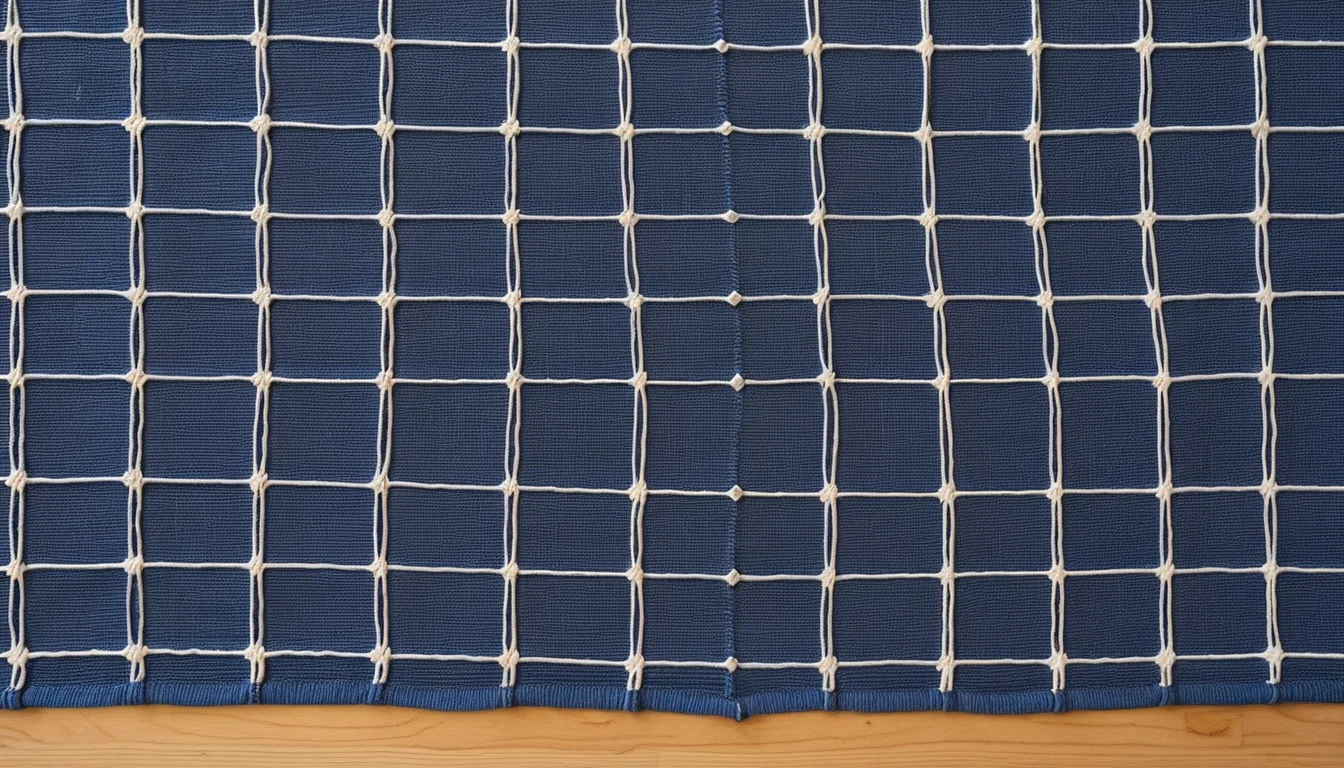
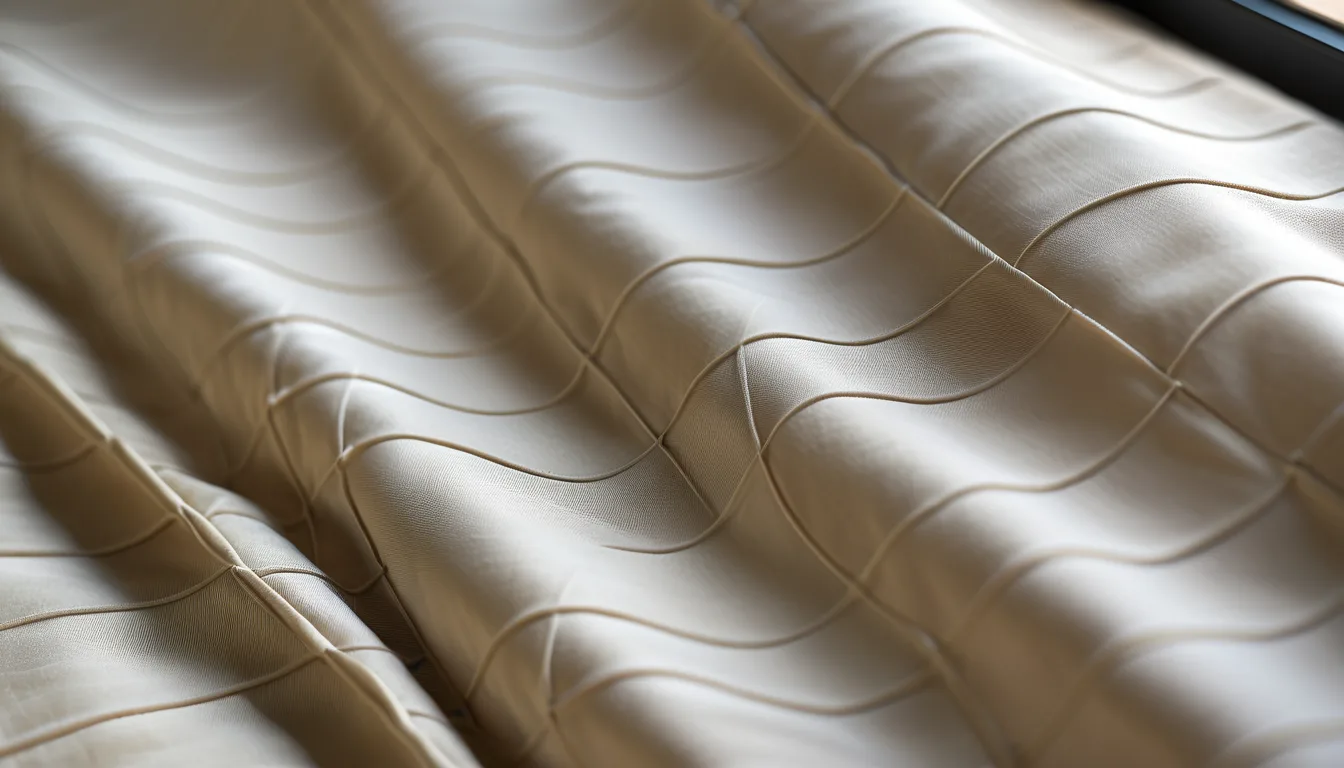
Nubi is a sewing method that layers an outer fabric and a lining, then joins them with regular rows of running stitches. The result is warmer and stronger fabric. The Korea Heritage Service (formerly the Cultural Heritage Administration) explains that cotton wadding, animal hair, mulberry paper or similar materials go between the two layers. Some nubi has no filling at all. This is the seventh part of a seven-part series.
Aju Business Daily describes it a little differently: nubi is clothing sewn two or three stitches at a time, so the two layers stay fixed and do not shift. Korea JoongAng Daily notes that nubi has long been used for winter clothing such as outer coats, jeogori (jackets) and undergarments. Read together, the two descriptions suggest that nubi is not a way of weaving cloth but a way of layering and using cloth that has already been woven. This final part of the series focuses on that question of use.
Nubi in the Worin Seokbo and the Buljeongsim Darani-gyeong, plus cotton and silk
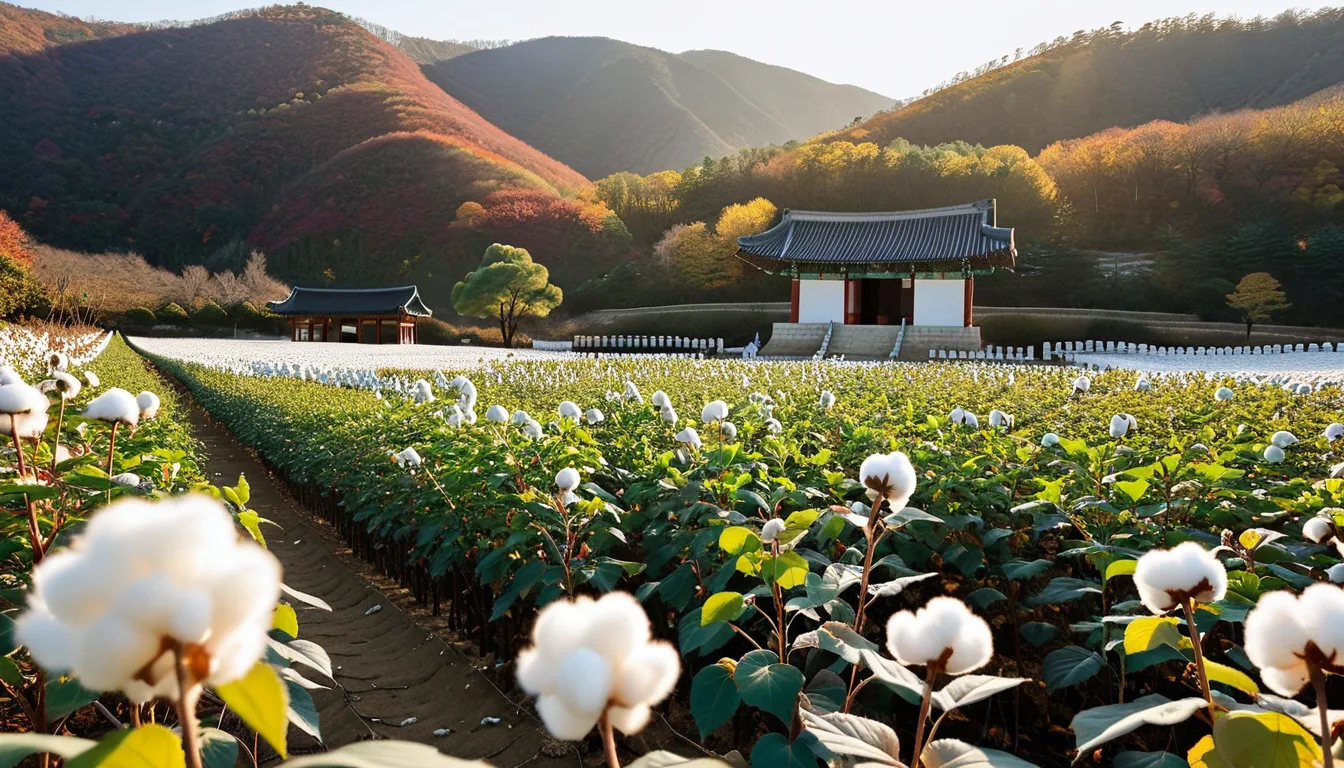
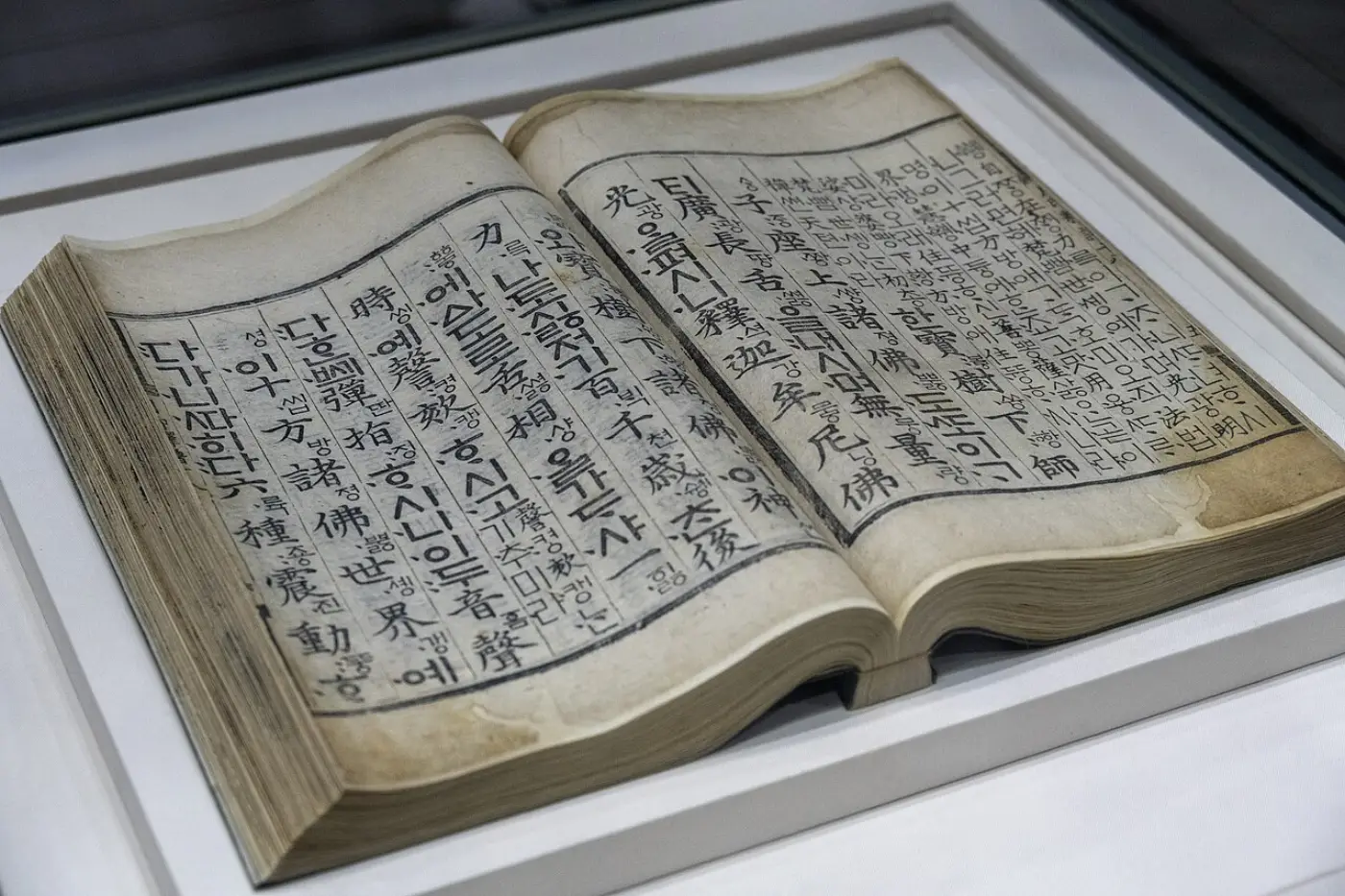
The Korea Heritage Service's guide to the Nubijang craft explains nubi alongside cotton cultivation. In its account, nubi developed under the influence of cotton growing, which spread nationwide from the early Joseon period. The guide also cites written sources. The first is the Worin Seokbo, which the guide calls the first Korean vernacular translation of a Buddhist scripture produced in the Joseon period. Nubi also appears in the Buljeongsim Darani-gyeong, a scripture published in the reign of King Seongjong.
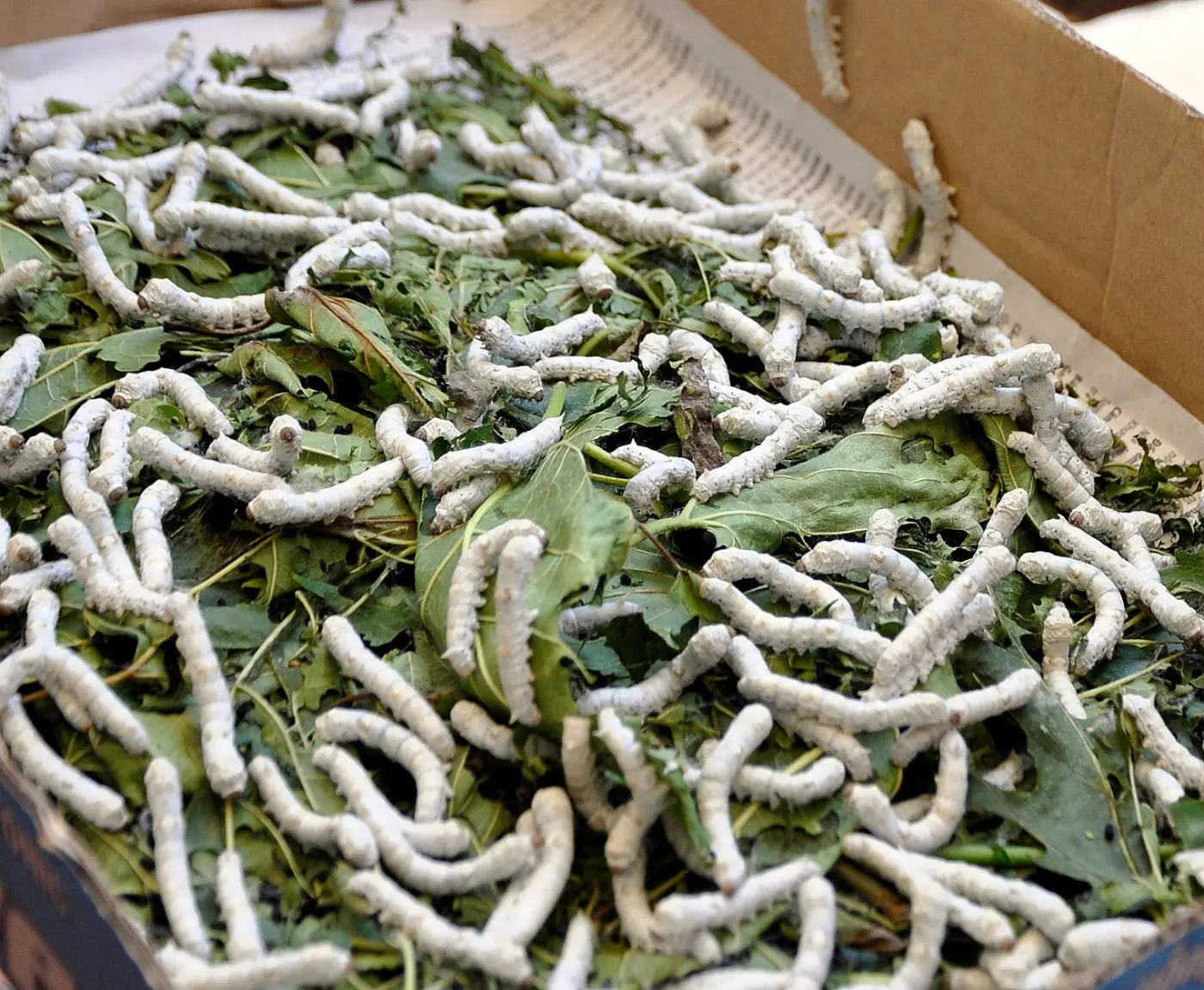
Choosing materials is part of the Nubijang's skill. According to the Korea Heritage Service, a nubi artisan needs an eye for good cotton wadding. The artisan must also adjust its thickness to the planned stitch spacing when preparing it. Silk is considered the most suitable fabric, though cotton cloth and other fabrics are also used.
This account shows that nubi is more than needlework skill. It ties cotton cultivation, the choice of wadding and the choice of fabric into a single description. Nubi also appears in both a vernacular translation of Buddhist scripture and a printed scripture. That detail is worth reading alongside the monks' clothing discussed below.
Needle, ruler, iron and stitches under 1 cm: nubi beside quilting, sashiko and Chinese cord quilting
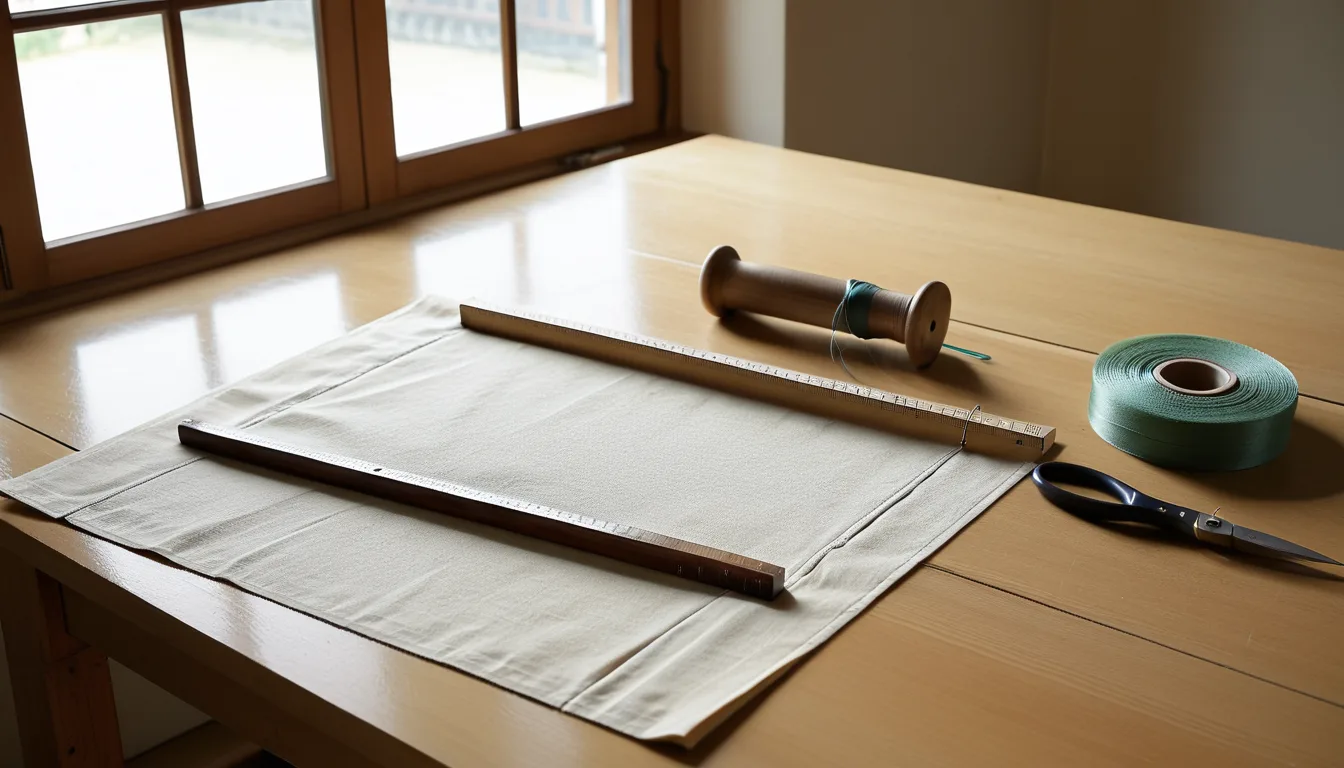
The Korea Heritage Service lists the tools of nubi as needle, thread, ruler, scissors and a traditional iron, among others. It also classifies nubi by stitch spacing and by form. By spacing, nubi divides into jan-nubi (also called se-nubi), jung-nubi and deumun-nubi. By form, it divides into omok-nubi (concave) and napjak-nubi (flat). Korea JoongAng Daily reports that nubi garments are stitched very densely, with rows less than 1 cm apart.
Here is how nubi compares, point by point, with needlework traditions from other countries. First, Western quilting: Korea JoongAng Daily writes that Western quilts join small pieces of fabric to make clothing or blankets. In nubi, by contrast, the stitches cover the entire garment. Next, Japanese Shonai sashiko: the Textile Research Centre Leiden traces the technique to the Shonai region of Yamagata Prefecture. It was originally used to join two or more layers of hemp or cotton cloth.
According to the centre, sashiko uses running stitches to form straight lines that cross one another. Today it is closer to embroidery on a single layer of cloth. Finally, the Penn Museum at the University of Pennsylvania holds a Chinese quilted jacket. It is a waist-length garment of tightly woven plain-weave cotton. Its undyed tan outer fabric was hand cord-quilted to a coffee-colored lining in alternating geometric patterns. Side by side, the four examples differ in how they join or layer fabric and in the shape of their stitches. Nubi can be distinguished as a technique in which regular rows of stitching cover the whole garment.
From monks' napui (衲衣) robes to King Gojong's quilted jeogori
Tradition links the origins of nubi to the clothing of Buddhist monks. The Korea Heritage Service's guide to the Nubijang craft puts it this way: "Furthermore, the origin of the word for nubi clothing can be found in 'napui,' the everyday garment of Buddhist monks, and". The same guide defines nubi as layering an outer fabric and lining and stitching them row after row for warmth. Besides nubi clothing, the guide adds, the technique was widely used for thick bedding.
A Korea Heritage Service press release announcing the death of a Nubijang title holder gives more detail on the origin. It says napui came from monks who mended and wore worn-out clothes for decades. This practice gradually developed into the nubi technique. Because nubi was warm, durable and practical, ordinary people also came to use it widely. The two sources differ: one speaks of the word's origin, the other of the garment's origin and spread. That distinction warns against treating the napui story as the definitive origin of all nubi.
Nubi also survives in royal clothing. The Korea Heritage Service's National Heritage Portal lists "King Gojong's Quilted Jeogori" (高宗의 縷緋저고리) as a National Folklore Cultural Heritage item. The Seok Joo-sun Memorial Museum on Dankook University's Jukjeon Campus in Yongin, Gyeonggi Province, holds the jacket. Both a monk's everyday garment and a king's jacket appear in the record of nubi. This suggests the technique was not confined to a single social class.
Kim Hae-ja: Nubijang title holder from 1996 and her jangot with 0.3 cm stitching
Kim Hae-ja held the title of Nubijang, a National Intangible Cultural Heritage. The Korea Heritage Service credits her with reviving traditional nubi, a craft that had nearly died out. She was recognized as a title holder in 1996. According to Newsis, she won the Prime Minister's Award at the 1992 Korea Traditional Crafts Exhibition for a set of nubi clothing for an adult woman. Korea JoongAng Daily reports that this work revived nubi with 3 mm and 5 mm stitch spacing, which no one had made for nearly 100 years.
Newsis also gives the measurements of her last work, a jangot. It is 123 cm long, with a sleeve length (hwajang) of 82 cm and stitch rows 0.3 cm apart. It was exhibited at Korea House in Paris during the 2024 Paris Olympics. The Korea Heritage Service announced that title holder Kim Hae-ja (born 1953) died of illness in the early hours of April 13. Later, the Nubi Culture Research Institute organized and hosted "Cheonnyeon Bo-ok: Korean Nubi," an exhibition marking the second anniversary of her death. It took place at "Ol," on the third floor of the annex of the National Intangible Heritage Training Center in Gangnam-gu, Seoul. A nubi workbench and a full set of tools were also on display.
Set the figures of 3 mm, 5 mm and 0.3 cm beside the earlier description of rows "less than 1 cm" apart. Together they give a measurable sense of how fine nubi stitching can be. The memorial exhibition also displayed a workbench and tools, which can be read as a way of presenting nubi not only as finished pieces but also as a process of making.
| Technique | Fabric and materials | Stitching method | Use | Source |
|---|---|---|---|---|
| Korean nubi | Cotton wadding, animal hair or mulberry paper between outer fabric and lining, or no filling; silk is the most suitable fabric | Regular rows of running stitches covering the entire garment | Winter clothing and thick bedding | Korea Heritage Service, Korea JoongAng Daily |
| Western quilting | Small pieces of fabric | Small pieces of fabric joined together | Clothing and blankets | Korea JoongAng Daily |
| Japanese Shonai sashiko | Originally two or more layers of hemp or cotton cloth; today a single layer | Running stitches forming crisscrossing straight lines | Originally for joining layers; today closer to embroidery | Textile Research Centre Leiden |
| Chinese quilted jacket (Penn Museum collection) | Tightly woven plain-weave cotton; tan outer fabric and coffee-colored lining | Hand cord-quilting in alternating geometric patterns | Waist-length jacket | Penn Museum |
Summary
The sources discussed here link cotton cultivation, wadding and silk, stitch spacing, and the clothing of monks and a king into a single thread. In short, nubi is a technique that broadened the uses of woven cloth by layering it and binding it with stitches. One question remains open. To learn the context in which nubi appears in the Worin Seokbo and the Buljeongsim Darani-gyeong, you need to read those texts directly.
The source text can be read first in the Nubijang guide on the Korea Heritage Service website. Designation details are in the "King Gojong's Quilted Jeogori" entry on the agency's National Heritage Portal. To see the garment itself, check first with the Seok Joo-sun Memorial Museum, which holds it. With the question of how fabric was used, the series "Reading Korean Fabrics in Depth" comes to a close.