The short answer: ferment the leaves into a paste, then let the air bring out the color
Indigo dyeing starts by steeping jjok (indigo) leaves in water and adding lime to make a paste. The paste is then fermented in lye to make the dye. Cloth is dipped in the dye and turns blue as it oxidizes in the air. The Encyclopedia of Korean Culture, published by the Academy of Korean Studies, describes jjok as a vat dye. Other natural dyes, such as safflower, sappanwood and gardenia, were used alongside it. This is part 6 of a seven-part series.
Indigo is one of the oldest dyes people have used. A paper in the journal Frontiers in Microbiology traces evidence of its use back 6,000 years. The Encyclopedia of Korean Culture states that blue dyeing was already practiced by 260 (the 27th year of King Goi of Baekje). The Korea Heritage Service's monthly magazine points to Silla's dyeing offices, such as the Sobangjeon and Hongjeon. From these, it concludes that natural dyeing was practiced even before the Three Kingdoms period. Taken together, these records show indigo blue as a long-standing craft, not a passing fashion.
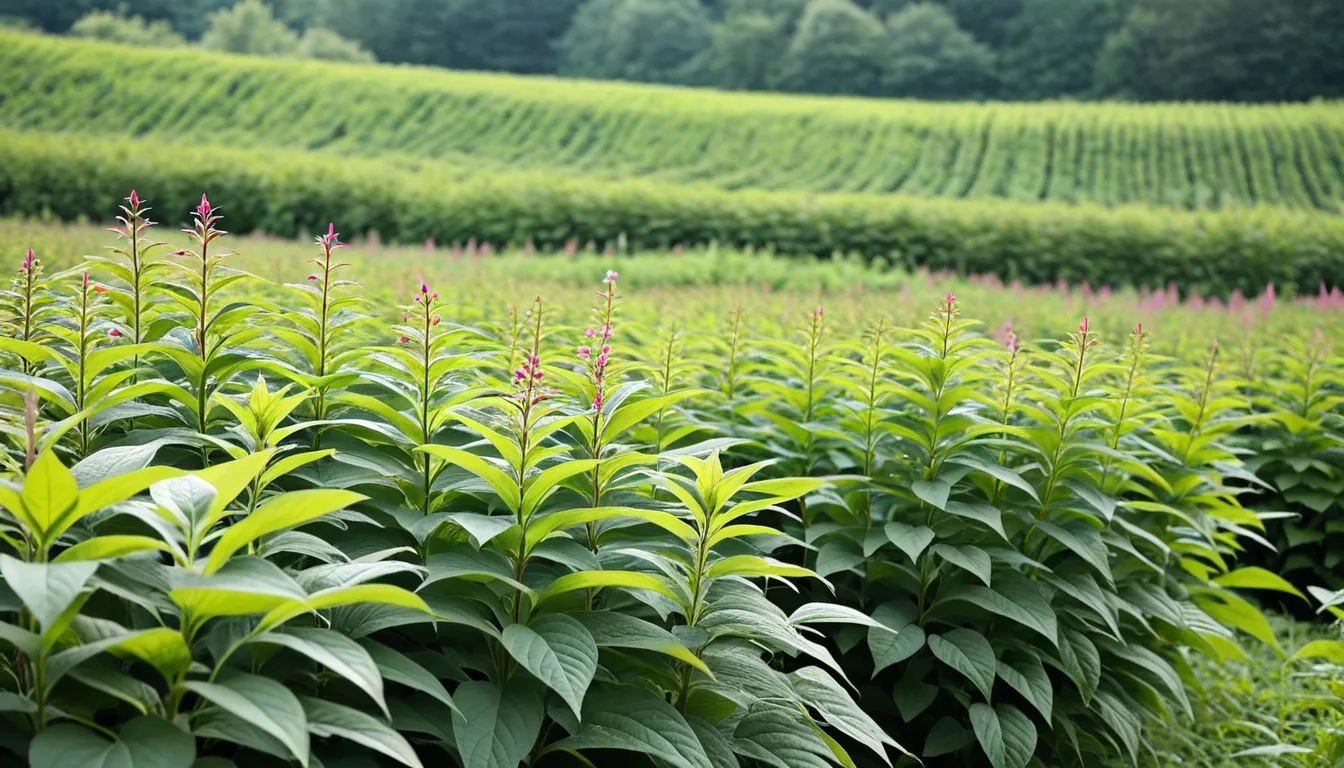
From growing jjok to 'flower water': process records in the Encyclopedia of Korean Culture and the Heritage Service magazine
Jjok, also called nam (藍), grows wild throughout Korea, and its leaves are the source of the dye. According to the Encyclopedia of Korean Culture, seeds are sown in seedbeds in late March. When the seedlings reach about 15 cm, they are transplanted to rich, moist fields. The plants are then cut two or three times in July and August to make nam. An English-language article from the Korean Culture and Information Service (KOCIS), part of the Ministry of Culture, Sports and Tourism, gives a slightly different schedule. It says the plants go into the fields in April or May, and the leaves are harvested in the July heat. Read side by side, the two sources show that the indigo dyer's year revolves around the midsummer leaf harvest.
Sources differ slightly on how the paste is made. According to the Encyclopedia of Korean Culture, jjok leaves are put in a jar of water and left in a sunny spot for one to three days. The leaves are then removed, and oyster-shell lime (yeohoe, 蠣灰) is stirred into the liquid. The encyclopedia adds that indigo dyeing developed mainly along the Yeongsan River (榮山江). Cockles were plentiful there, so local dyers made jenam (製藍), or indigo paste, with lime from burned cockle shells. The Heritage Service magazine's profile of Dyeing Master Jung Kwan Chae describes the color change. When lime powder is stirred into water that has stood for 48 hours at 20–25°C, the water turns from yellow to purple, then yellow-green, green and blue.
The paste becomes dye only after it goes through lye. According to the same profile, the liquid is kept at 25–30°C and stirred two or three times a day, and "after about half a month it becomes the finished dye, 'kkonmul' [flower water]." KOCIS says lye is added to the paste and fermented for 7 to 10 days. Reaching the deepest navy takes at least eight dips. The Encyclopedia of Korean Culture names shades of different depth, such as gam (紺), nam (藍), cheong (靑) and pyo (縹), depending on how many times the cloth was dyed. In other words, indigo blue was not one color but a range of shades controlled by the number of dips.
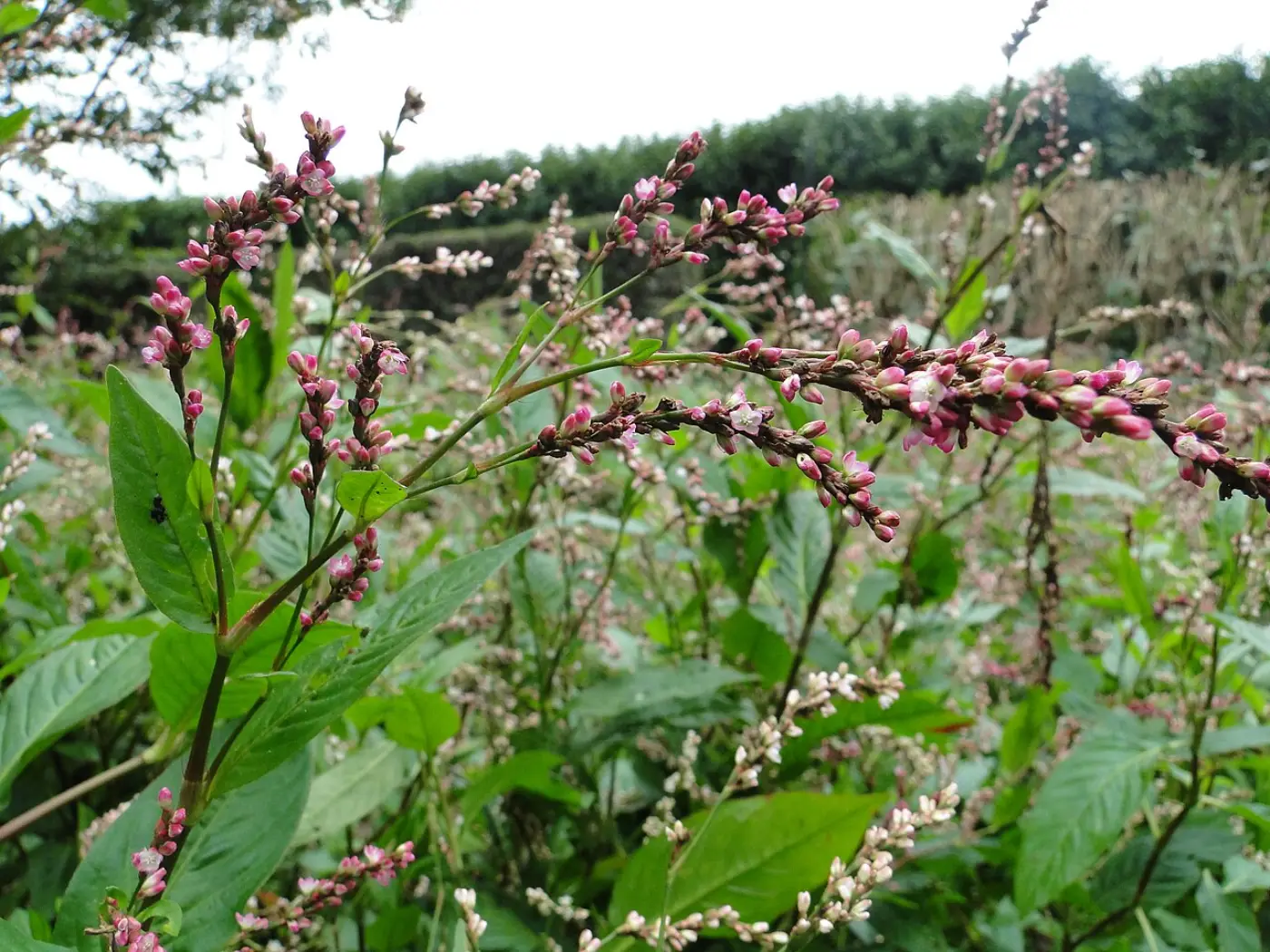
Same blue, different methods: Japanese sukumo, Nantong earth indigo and Austrian Blaudruck
The methods vary from country to country, but the principle behind the color is the same. The Heritage Service magazine's article on natural dyeing says that "the yellow extract of 'jjok' is meaningless, and the hidden indigo can yield blue through alkaline fermentation." The Encyclopedia of Korean Culture explains that vat dyes such as jjok dye cloth by using alkali to reduce a pigment that does not dissolve in water. After dyeing, the cloth develops its color as it oxidizes in the air. The Frontiers in Microbiology paper makes the same point: insoluble indigo must be reduced to soluble leuco-indigo before it can dye fabric.
The differences show up in how the raw material is prepared. In Korea, as described above, dyers add oyster-shell lime or lime powder to water in which jjok leaves have steeped, making a paste. In Japan, according to the same paper, the traditional method relies on sukumo (すくも), composted indigo leaves. Skilled artisans tend the sukumo for up to 100 days. The indigo is reduced by natural fermentation in a strongly alkaline liquid of pH 10 or higher. Material from the Municipal People's Government of Nantong (南通) in China describes another approach. Indigo plants are soaked in stone vats for several days, the residue is removed, and lime is added. The paste that settles is called earth indigo. In Nantong, cloth is dipped in the dye vat for about 20 minutes, then aired for 30 minutes to oxidize.
Patterning methods and official recognition also differ. In Austrian Blaudruck, dyers stamp the cloth with pattern blocks coated in a resist paste, dry it and then dye it in indigo. According to the National Intangible Heritage Center, Austria, the Czech Republic, Germany, Hungary and Slovakia jointly inscribed Blaudruck on UNESCO's list of the Intangible Cultural Heritage of Humanity in 2018. The Nantong material traces China's use of indigo back to the Spring and Autumn and Warring States periods (770–221 BCE). It adds that blue calico printing (藍印花布) was among the crafts in China's first group of national-level intangible cultural heritage, named in 2006. In short, the single name 'indigo dyeing' covers techniques that differ in how they prepare the raw material and create patterns.
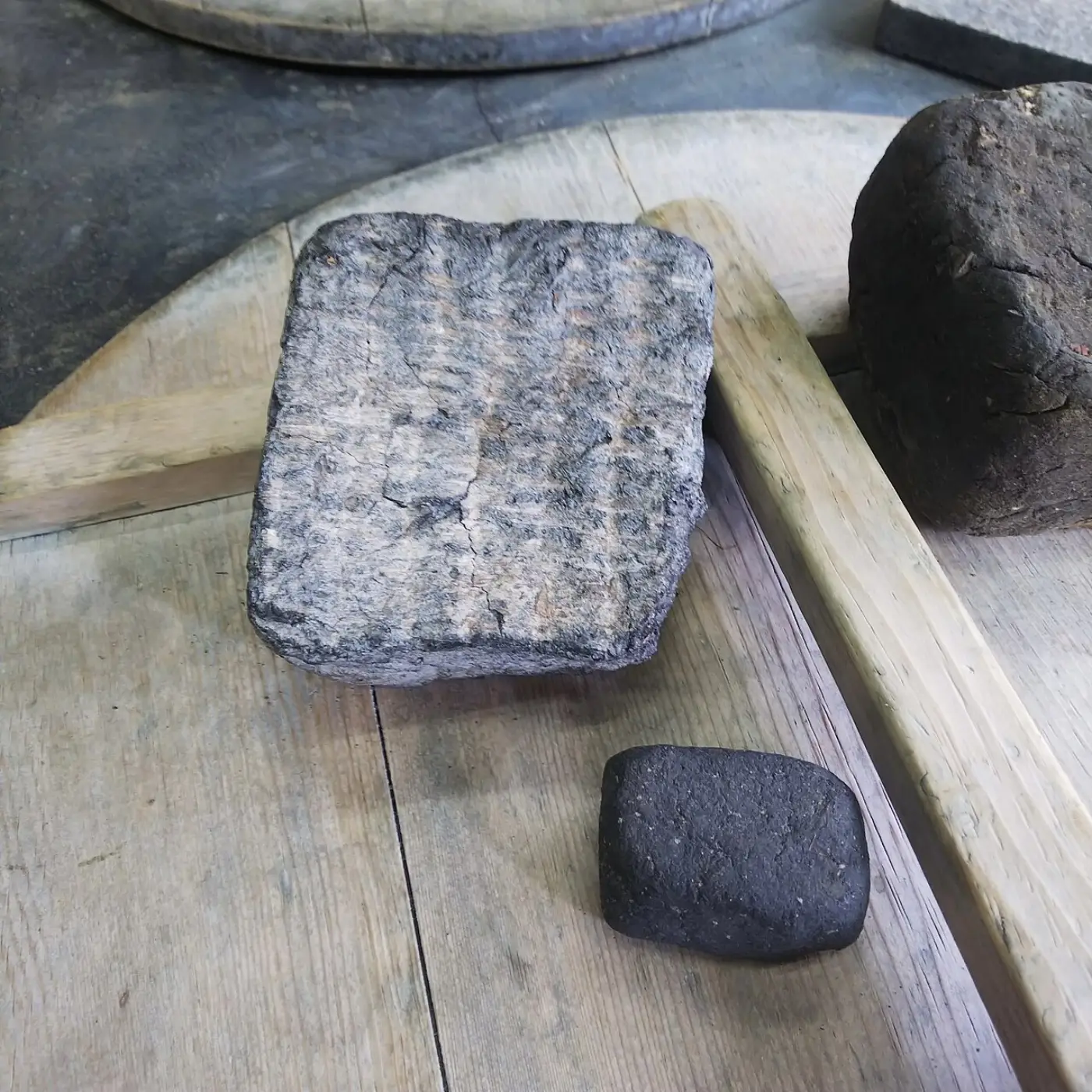
Gyeongguk daejeon and Sangbang jeongnye: cloth color marked rank and role
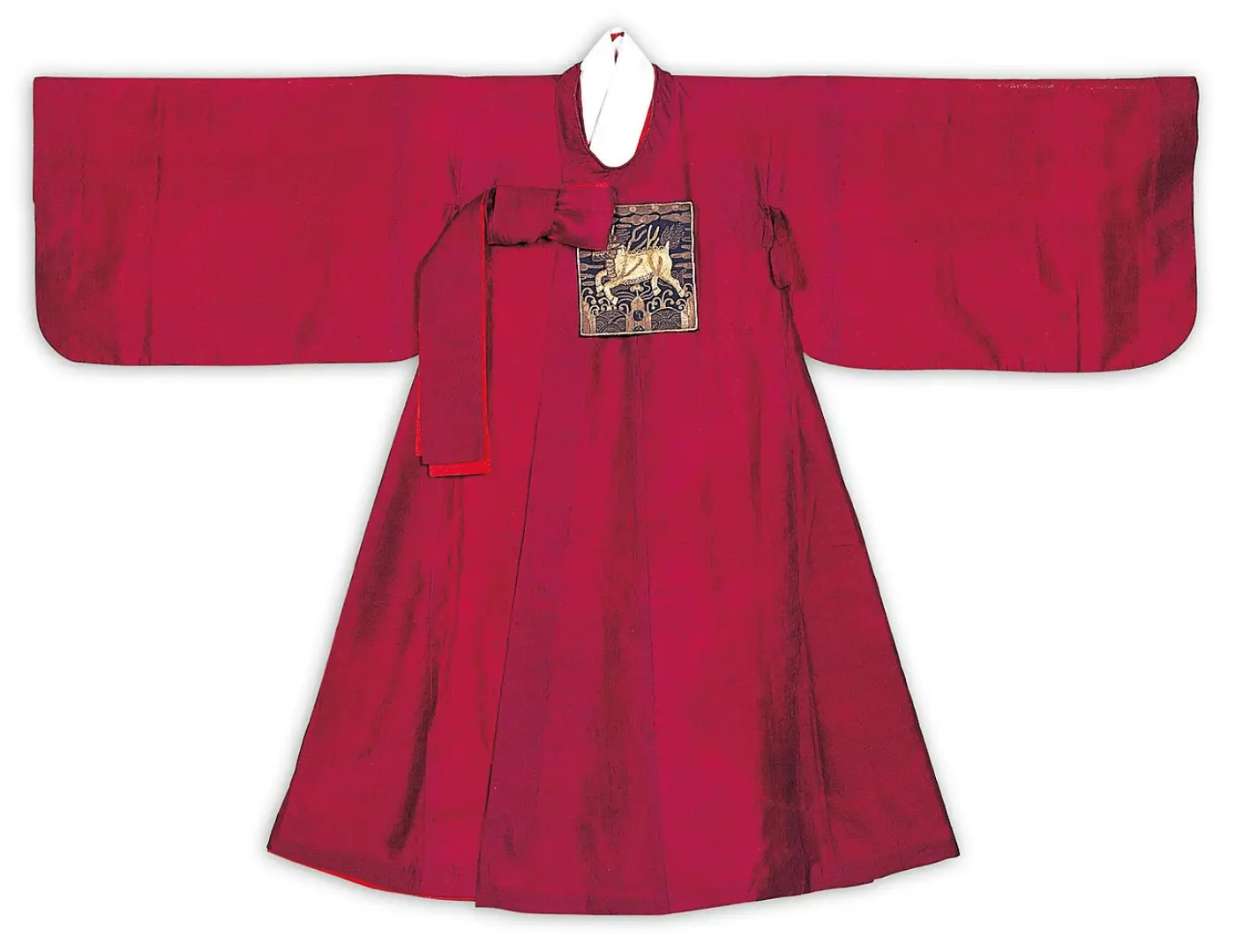
The color of a garment signaled an official's rank. According to the Encyclopedia of Korean Culture, Goryeo divided official dress into four ranks by color in 960 (the 11th year of King Gwangjong): ja (紫), dan (丹), bi (緋) and nok (綠). Joseon's legal code, the Gyeongguk daejeon (經國大典), set three colors for the official danryeong (團領) robe. Officials from the first rank to senior third rank wore a red robe (hongpo). Those from junior third to sixth rank wore a blue robe (cheongpo), and those from seventh to ninth rank wore a green robe (nokpo). In 1610 (the 2nd year of King Gwanghaegun), the black danryeong with rank badges became the ceremonial robe, or sangbok. The red danryeong without badges became the sibok, worn for everyday official duties. Color, in other words, marked not only rank but also the line between ceremony and daily work.
Red dyes were difficult to work with. The Encyclopedia of Korean Culture explains that safflower (itkkot, honghwa) contains both a water-soluble yellow pigment and an insoluble red one. According to the Heritage Service magazine, dyers first extract the yellow. They then dissolve the red in alkaline lye and neutralize it with acid. Sappanwood yields red when its yellowish-red extract is mordanted with alum. Under King Sejong, more than 70,000 geun of sappanwood arrived from southern lands over nine years. It was the main dye for red clothing in the Joseon period. Gardenia, a direct dye made from the plant's yellow fruit, was widely used by the Sangbang (尙方), the Joseon royal workshop.
Joseon employed 10 red dyers (hongyeomjang) each at the Sanguiwon and the Jeyonggam. It also had 10 blue dyers (cheongyeomjang) at the Sanguiwon and 20 at the Jeyonggam. Ordinary households dyed cloth too, whether as a village activity or as individual cottage work. Safflower red was the most expensive color. In the 1400s, one geun of safflower reportedly cost as much as one seom of rice. When one seom of rice cost 48 nyang, dyeing a single bolt in daehong (deep red) reportedly cost 70 nyang. According to the Sangbang jeongnye (尙方定例), the court used 15 named colors: banhong, daehong, mokhong, hong, jajeok, yacheong, yucheong, yurok, chorok, simchorok, namsaek, cheongsaek, oksaek, gansaek and heuksaek. The book also describes 67 colors made from 32 dyes, including sappanwood, gromwell (jichi), safflower, indigo, amur cork bark (hwangbyeok), pagoda tree flowers (goehwa), turmeric (ulgeum) and gardenia.
Indigo lost and revived: the 1978 seeds and the 2001 dyeing master designation
Indigo dyeing once nearly died out. According to the Encyclopedia of Korean Culture, natural dyes fell out of use for a time after synthetic dyes were imported in the late Joseon period. They have been revived in recent years. KOCIS reports that the Korean War, which broke out in 1950, cut off the supply of indigo from Naju (羅州). The Heritage Service magazine writes that "until the 1970s, indigo dyeing was quite literally in a state where 'the seeds had run out.'" According to the same article, the folklorist Ye Yong-hae was troubled by this. In 1978, he gave indigo seeds he had gone to great lengths to obtain to his student, Professor Park Bok-gyu of Mokpo National University. The story shows how a single packet of dye-plant seeds can be the starting point for passing on a craft.
Today, indigo dyeing is carried on within Korea's National Intangible Heritage system. According to the National Intangible Heritage Center, dyeing craftsmanship was designated a National Intangible Heritage in 2001. The Heritage Service magazine says Jung Kwan Chae became Dyeing Master under Important Intangible Cultural Property No. 115 that same year. According to KOCIS, Jung grew up in Saetgol village in Naju, South Jeolla Province. A 2007 article described the indigo dyeing school he holds every summer as "closer to a full-blown festival." The National Intangible Heritage Center and the Korean Cultural Center in Austria held the exhibition JJOKBIT (Indigo Blue of Korea and Austria) in Vienna from December 2, 2024, to March 28, 2025.
The looms used to weave such cloth can still be seen today. According to the Encyclopedia of Korean Culture, a weaver at a traditional Korean loom sits on a seat on the frame. The weaver keeps the warp taut by tying it to the waist. The loom in Weaving (Gilssam), a painting by Kim Hong-do (金弘道) reproduced in Joseon-era Genre Paintings, is of this type. Apart from those owned by keepers of regional textile traditions, traditional looms are now held by local cultural centers and museums. The original texts cited here are available on the Encyclopedia of Korean Culture website and in the Korea Heritage Service's monthly magazine online. Seen together, the process records and the museum looms show a bolt of cloth as the product of three skills: growing, dyeing and weaving.
| Tradition | Preparation before dyeing | Dyeing and color development | Sources |
|---|---|---|---|
| Korea: Yeongsan River and Naju indigo dyeing | Jjok leaves steep in water for 1–3 days; oyster-shell lime, cockle-shell lime or lime powder is then added to make a paste | Lye is added to the paste, which ferments for 7–10 days; the deepest navy takes at least 8 dips | Encyclopedia of Korean Culture, Korea Heritage Service monthly magazine, KOCIS |
| Japan: sukumo method | Skilled artisans tend sukumo, composted indigo leaves, for up to 100 days | Indigo is reduced by natural fermentation in a strongly alkaline liquid of pH 10 or higher | Frontiers in Microbiology paper |
| China: Nantong blue calico | Indigo plants soak in stone vats for several days before lime is added; the settled paste, 'earth indigo', is used | Cloth is dipped in the dye vat for about 20 minutes, then aired for 30 minutes to oxidize | Nantong Municipal People's Government |
| Austria: Blaudruck | Pattern blocks coated with resist paste are stamped onto the cloth, which is then dried | The cloth is dyed in indigo to reveal the pattern | National Intangible Heritage Center |
Wrapping up
Taken together, the records show that indigo blue cannot be explained by one person's skill alone. Techniques in Japan, China and Austria rely on the same principle. Compared with them, the Korean method arguably stands out most clearly in how the raw material is prepared. The Gyeongguk daejeon's red, blue and green robes also show that cloth color served as a marker within the state system.
Some questions remain open. The Encyclopedia of Korean Culture and the KOCIS article give slightly different months for transplanting jjok. Sources also use different names for the material added to make the paste: oyster-shell lime, cockle-shell lime or lime powder. It is worth checking, on site or in the original texts, whether these differences reflect regional practice or simply how things were recorded.